In today’s fast-paced and ever-evolving logistics landscape, the ability to harness data through analytics is more critical than ever. The freight industry is on the brink of a revolution, where data is the new currency, and those who learn to use it effectively will gain a substantial competitive edge.
The Freight Market: A Complex Web of Data
The freight market is characterized by its multifaceted nature, encompassing elements such as supply chains, transportation modes, freight rates, and customer demands. The challenge lies in managing this plethora of information effectively. A report by McKinsey reveals that only 20% of freight companies are using advanced analytics to inform their decision-making processes. This represents a significant opportunity for those willing to dive into the data and harness its potential.
Understanding Analytics in Freight
Analytics can be broken down into several categories, including descriptive, diagnostic, predictive, and prescriptive analytics. Each serves a unique purpose:
- Descriptive Analytics: Analyzes historical data to understand past performance, providing insights into shipping trends and operational efficiency.
- Diagnostic Analytics: Digs deeper to find the causes of certain events or outcomes, such as identifying why certain shipments were delayed.
- Predictive Analytics: Utilizes statistical algorithms and machine learning techniques to predict future outcomes based on historical data, helping companies forecast demand and optimize inventory levels.
- Prescriptive Analytics: Provides actionable insights and recommendations, enabling decision-makers to choose the best course of action based on predicted outcomes.
By leveraging these analytics types, freight companies can transform data into decisions that enhance efficiency and profitability.
Real-Time Data: A Game Changer
The integration of real-time data analytics is a game changer for the freight market. The Internet of Things (IoT) enables sensors and devices to collect data from vehicles, cargo, and storage facilities continuously. This allows companies to monitor shipment conditions, track vehicle locations, and even assess driver performance in real-time.
For instance, consider a trucking company leveraging IoT sensors to monitor vehicle health. If a sensor detects an issue with an engine, real-time analytics can alert maintenance teams before a breakdown occurs, reducing downtime and cost. Quoting logistics expert John Smith, “Real-time data analytics is not just a luxury; it’s a necessity for modern freight businesses.”
Harnessing Big Data for Competitive Advantage
Big data analytics involves processing vast amounts of information from various sources, including market trends, customer preferences, and operational data. The key to unlocking value from big data lies in the ability to analyze and interpret it effectively.
Companies like Uber Freight show how big data can provide a competitive edge. By analyzing market fluctuations, freight rates, and driver supply, Uber Freight continuously optimizes its pricing model and informs decisions that improve customer service. “The insights generated from our data analytics not only enhance our efficiency but also improve the overall customer experience,” notes Jeff McClure, Head of Data Analytics at Uber Freight.
Overcoming Challenges with Analytics
While the advantages of analytics are clear, challenges remain. Firstly, data quality and integrity are paramount. Companies must ensure they are collecting accurate and relevant data; otherwise, their analytics efforts could lead to flawed insights.
Moreover, many organizations struggle with the skill gaps in their workforce. A study by Deloitte found that 83% of logistics professionals believe there is a shortage of data analytics skills in the industry. To combat this, companies must invest in training programs and hire individuals who can extrapolate meaningful insights from complex datasets.
The Future of Decision-Making in Freight
As more companies adopt analytics, the freight industry will continue to evolve. Technologies such as machine learning and artificial intelligence will further enable predictive capabilities, allowing companies to anticipate market trends rather than react to them.
Moreover, the democratization of data analytics tools means that even small and medium-sized enterprises will have access to powerful analytics solutions that were previously reserved for larger corporations. “Data analytics has leveled the playing field, enabling smaller firms to compete effectively,” states Anna Lee, Director of Operations at a midsize logistics firm.
Conclusion
The freight industry’s ability to transition from data to decisions through analytics will reshape the way companies operate and compete in a crowded marketplace. By leveraging the insights garnered from data, companies can enhance efficiency, improve customer satisfaction, and ultimately drive profitability.
As the future unfolds, embracing analytics will no longer be optional; it will be essential for survival in the fast-paced freight landscape. Companies that invest in data technologies and foster a culture of data-driven decision-making will not just navigate the complexities of the freight market—they will thrive in it.
“The best way to predict the future is to create it.” – Peter Drucker
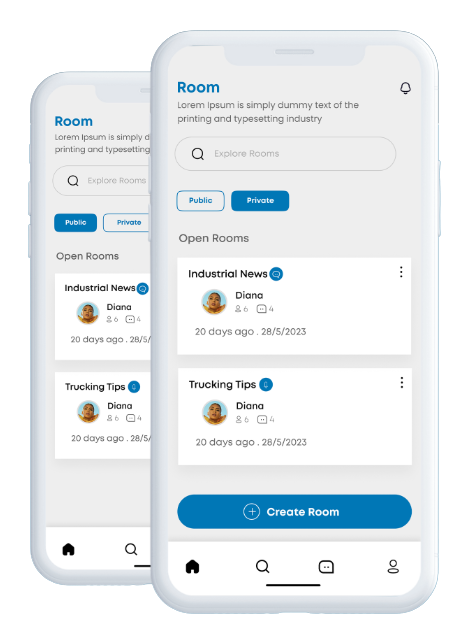
Download the App

Start connecting with other truckers right now. TruckerCircle is completely free and easy to use. All it takes is a few taps to join the only voice-first trucking community designed to keep drivers in touch across the miles.