Jet lag—a condition that all seasoned travelers dread. The weary feeling of disorientation that accompanies rapid travel across multiple time zones can transform a highly anticipated vacation or business trip into a struggle against fatigue, mood swings, and disrupted sleep patterns. But fear not! Through innovative strategies and well-researched approaches, you can mitigate the effects of jet lag and arrive at your destination refreshed and ready to explore.
Understanding Jet Lag
Jet lag occurs when your body’s internal clock, or circadian rhythm, becomes misaligned with the local time at your destination. This temporary disruption is significant when traveling across three or more time zones and is characterized by a range of symptoms including fatigue, insomnia, irritability, and even digestive issues.
Research shows that the severity of jet lag can vary depending on a host of factors including the number of time zones crossed, the direction of travel, and the individual’s lifestyle and health. For example, flying east often presents more challenges than flying west due to the loss of hours.
Proven Strategies for Long-Haul Health
1. Pre-Flight Preparation
Preparation is key when it comes to combating jet lag. Start adjusting your sleep schedule a few days before your flight. Gradually go to bed and wake up one hour earlier or later per day, aligning your body with the clock of your destination. This process, known as “strategic circadian entrainment,” can significantly reduce the impact of jet lag.
2. Stay Hydrated
Dehydration can exacerbate the symptoms of jet lag. Air travel can contribute to fluid loss due to low humidity in the cabin. Make it a priority to drink plenty of water before, during, and after your flight. Additionally, limit alcohol and caffeine, as both can disrupt sleep patterns and increase the feeling of fatigue.
3. Use Light to Your Advantage
Light exposure plays a pivotal role in regulating your circadian rhythm. When you arrive at your new destination, try to get as much natural light as possible, especially in the morning. If you land in the evening, avoid bright lights to help your body adapt to the new time zone. Some travelers even use light therapy boxes, which can aid in adjusting your sleep-wake cycle more swiftly.
4. Melatonin and Sleep Aids
Melatonin, a hormone that regulates sleep, has been shown to be effective in reducing jet lag symptoms. Taking melatonin supplements before your intended sleep time at your destination can help signal your body that it’s time to sleep. Consult your healthcare provider for the appropriate dosage and timing.
While over-the-counter sleep aids can provide short-term relief for those struggling with sleep onset, they should not be relied upon for extended periods. Always read labels and consult with your physician, as some sleep medications can leave you groggy the next day.
5. Keep Moving
Periodically stretching and moving throughout your flight can enhance circulation and reduce feelings of fatigue. Simple exercises like foot and ankle rolls, shoulder shrugs, and standing up to walk the aisle can help keep blood flowing. Upon arrival, engaging in light exercise such as walking or yoga can also bolster your energy levels.
The inclusion of physical activity helps to reset your body’s internal clock and get you acclimated to the new time zone faster.
6. Nutrition Matters
Healthy eating can make a world of difference when it comes to feeling your best after a long flight. Prioritize lean proteins, whole grains, and an array of fruits and vegetables. Avoid heavy meals and excessive sugar intake close to your intended sleep time. Eating light snacks like nuts or yogurt can help maintain your energy levels without leading to fatigue.
7. Mindfulness and Relaxation Techniques
Stress management is essential during travel, especially if you’re feeling the pressure of jet lag. Incorporating mindfulness and relaxation techniques can have positive effects on your mental state. Consider practices like meditation, deep breathing exercises, or gentle yoga before, during, and after your flight to reduce anxiety, enhance relaxation, and improve your overall travel experience.
Conclusion
Jet lag doesn’t have to be an inevitable part of long-distance travel. By implementing these proven strategies, you can significantly minimize its impact and arrive at your destination energized and ready to seize the day. From pre-flight adjustments to mindful post-arrival practices, each step is designed to help you maintain your well-being on the go. Remember, every traveler’s experience with jet lag is unique, so it may take some trial and error to find the perfect combination of strategies that works for you.
Whether you are a frequent flyer or a casual traveler, understanding how to manage jet lag effectively is paramount for a successful journey. So pack your bags, embrace the adventure, and say goodbye to jet lag!
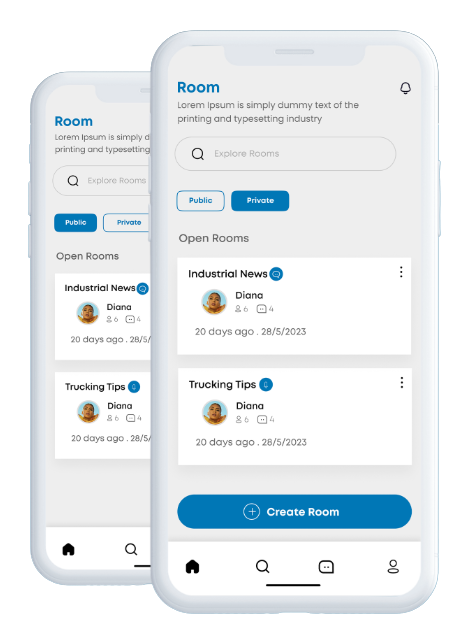
Download the App

Start connecting with other truckers right now. TruckerCircle is completely free and easy to use. All it takes is a few taps to join the only voice-first trucking community designed to keep drivers in touch across the miles.