Introduction
In an increasingly competitive landscape, the need for efficient and effective fleet management has never been more pronounced. Fleet operators are continuously seeking innovative ways to maximize productivity and minimize costs. Enter telematics—a game-changing technology that is not only reshaping fleet management but also paving the way for a more sustainable and data-driven future.
Understanding Telematics
Telematics refers to the integration of telecommunications and vehicle technology. At its core, it encompasses GPS vehicle tracking, onboard diagnostics, and other data-collection methods that help fleet managers monitor, manage, and analyze vehicle performance and driver behavior in real-time.
The primary goal of telematics is to enhance operational efficiency, reduce costs, improve safety, and comply with regulatory requirements. With the global telematics market projected to reach over $60 billion by 2026, its impact on fleet management is undeniable.
Key Benefits of Telematics in Fleet Management
- Improved Vehicle Tracking: GPS technology allows fleet managers to track vehicle locations in real-time, optimizing routes and reducing fuel consumption.
- Enhanced Driver Safety: Telematics systems can monitor driver behavior, alerting managers to risky practices such as speeding or harsh braking.
- Maintenance Alerts: Onboard diagnostics can predict vehicle issues before they become critical, facilitating proactive maintenance and reducing downtime.
- Cost Savings: By optimizing routes and monitoring fuel consumption, telematics can significantly reduce operational costs.
Real-World Applications
A variety of industries are already leveraging telematics for improved fleet management. For example:
- Logistics and Distribution: Companies like UPS use telematics to optimize delivery routes, reducing fuel consumption and increasing on-time delivery rates.
- Public Transportation: Many transit authorities are adopting telematics for real-time tracking, providing passengers with accurate arrival times and enhancing overall service reliability.
- Construction: Fleet managers in the construction industry utilize telematics to monitor equipment utilization, ensuring that machinery is used efficiently and maintained regularly.
Challenges and Concerns
Despite its numerous advantages, the integration of telematics is not without challenges:
- Data Privacy: As telematics systems collect vast amounts of data, concerns about data privacy and security can arise. Fleet operators must ensure that they comply with regulations and protect sensitive information.
- Initial Costs: The investment required for telematics hardware and software might be substantial, particularly for small to medium-sized enterprises. However, the long-term savings can outweigh these initial costs.
- Employee Buy-In: Employees may resist telematics implementation due to concerns over surveillance or job loss. Engaging with drivers and communicating the benefits can mitigate these concerns.
The Role of AI and Big Data
The future of telematics in fleet management is not just about tracking vehicles; it’s also about harnessing the power of AI and big data. Advanced analytics can uncover insights that drive operational improvements.
For instance, predictive analytics can forecast maintenance needs, and machine learning algorithms can identify patterns and suggest optimal routes based on historical data.
Fleet managers can leverage real-time data to make informed decisions, ensuring that they are not just reacting to problems but anticipating and solving them proactively.
Sustainable Practices Through Telematics
As environmental concerns become more pressing, telematics offers a pathway to more sustainable practices in fleet management. By optimizing routes and monitoring vehicle performance, companies can significantly reduce their carbon footprints.
Additionally, many telematics systems now include features that promote eco-driving techniques—encouraging drivers to adopt more sustainable driving habits such as smooth acceleration and braking.
Transitioning to electric or hybrid vehicles is also facilitated by telematics, which helps manage charging schedules and maintain battery health, further contributing to sustainability goals.
Conclusion
As fleet management continues to evolve, embracing telematics will be critical for companies seeking to stay ahead of the curve. By leveraging real-time data, predictive analytics, and AI, fleet managers can not only optimize their operations but also enhance safety and sustainability.
The success of fleet management in the future will increasingly depend on how well organizations can adapt to these technologies and utilize them to create a more efficient and eco-friendly fleet.
Looking Ahead
In the coming years, we can expect telematics to evolve further, integrating with autonomous vehicles and smart city technology. The potential for increased integration will create an even more intelligent ecosystem, where fleets are managed not only for efficiency but also for improved quality of life for all citizens.
As this technology proliferates, fleet managers must remain adaptable, investing in training and infrastructure to harness the full potential of telematics, ensuring they thrive in the future of fleet management.
Download the App

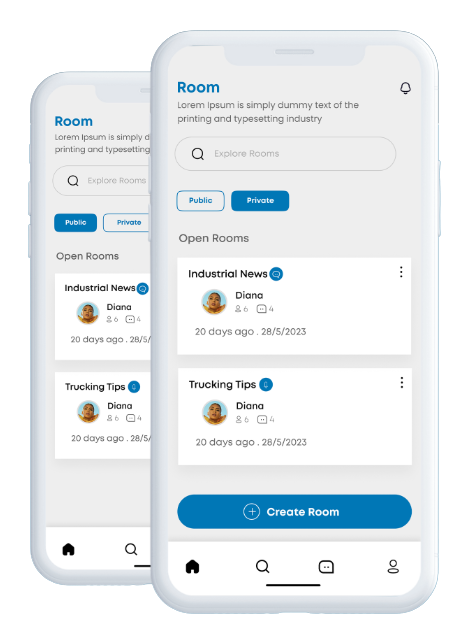
Start connecting with other truckers right now. TruckerCircle is completely free and easy to use. All it takes is a few taps to join the only voice-first trucking community designed to keep drivers in touch across the miles.