
In the dim light of dawn, as most of the world is just waking up, hundreds of thousands of long-distance truckers are already on the road. Their massive vehicles, laden with cargo, roll down the highways, traversing the vast landscapes of America. These men and women are the backbone of the country’s supply chain, invisible yet indispensable. Yet, behind the wheel, the story is not just about hauling goods; it is also about isolation, mental health, and the hidden struggles of driving alone.
The Isolation of the Open Road
For many truckers, long stretches of solitude can breed a sense of loneliness. As Steve, a 15-year veteran of the industry, puts it, “You can be surrounded by thousands of cars, yet still feel completely alone.” Days and sometimes weeks spent on the road mean that many truckers miss family gatherings, holidays, and everyday moments that most people take for granted. The emotional toll of this isolation is significant. According to a study published in the Journal of Occupational Health Psychology, truck drivers report higher levels of loneliness compared to other professions.
“The silent hours can be deafening. You start to lose track of time and sometimes even your own thoughts,” Steve reflects.
Health Challenges on the Road
Long-distance truckers face a myriad of health challenges that stem from their lifestyle. The sedentary nature of the job, irregular sleeping hours, and reliance on fast food lead to serious health risks such as obesity, diabetes, and heart disease. The Centers for Disease Control and Prevention (CDC) notes that truck drivers are significantly more likely to suffer from these conditions than the general population.
Moreover, the stress of meeting deadlines and navigating traffic contributes to mental health issues. A survey by the Owner-Operator Independent Drivers Association (OOIDA) found that 38% of truckers reported feelings of anxiety, and 12% reported symptoms of depression. The stigma around mental health in the trucking community often prevents drivers from seeking help, leaving many to cope in silence.
The Financial Burden
In an industry known for its grueling hours, the financial struggles of long-distance truckers are often overlooked. Many drivers are paid by the mile, a system that can create significant financial pressure. If traffic is slow, or if they have to wait for hours to load or unload cargo, their earnings can dwindle. This unreliable income can lead to financial strain, making it challenging for truckers to maintain a stable home life.
Making Connections on the Road
Despite the isolation, truck drivers have developed ways to foster connections, albeit in unconventional manners. Many utilize social media and trucking forums to connect with fellow drivers, sharing experiences and strategies for dealing with the challenges they face. These digital communities provide a sense of belonging and support, even if it is mediated through screens.
Additionally, truck stops have evolved into social hubs for drivers. “You can always find a friendly face at a truck stop,” says Linda, a driver who crisscrosses the country. “We share meals, stories, and sometimes just sit together for company.” Truck stops also host events and gatherings that allow drivers to bond and relieve stress, albeit temporarily.
Regulating Work Hours: A Double-Edged Sword
To combat some of the detrimental effects of long hours, the Federal Motor Carrier Safety Administration (FMCSA) implemented regulations regarding the maximum number of driving hours. While these regulations aim to reduce fatigue and improve safety, they can also intensify the pressure truckers feel to meet tight deadlines.
Many drivers have expressed frustration at these regulations. “We want to be safe, but sometimes the system feels rigged,” says Dave, a long-haul trucker. “If we take a break, we risk being late, and if we’re late, we face penalties.” This burden makes the job not just physically demanding but mentally taxing as well.
Efforts to Improve Mental Health
In recent years, there has been a growing recognition of the mental health challenges faced by truck drivers. Several organizations are now working to provide resources and support specifically designed for this demographic. Programs focusing on mental health awareness, counseling services, and hotlines are becoming more common.
Moreover, some trucking companies are adopting wellness programs that encourage drivers to stay active and eat healthily. On-site gyms and wellness coaching are emerging in companies that recognize the importance of driver well-being, both for their drivers and for the overall health of their business.
Looking Ahead
The future of the trucking industry faces uncertainty due to technological advancements, such as automated driving. While automation has the potential to ease some burdens, it also raises concerns about job security for drivers. Advocates argue that the human element is irreplaceable in an industry that thrives on personal relationships and human judgment.
As the narrative around truckers evolves, it is clear that the struggles faced by long-distance drivers require ongoing attention. From addressing mental health to improving working conditions, there is a pressing need for society to recognize the sacrifices that these individuals make for the greater good. The open road may symbolize freedom, but for truckers, it often leads to hidden battles that demand our awareness and empathy.
“We’re more than just drivers; we’re part of a community that keeps the world moving,” Linda emphasizes.
In the end, acknowledging the unseen struggles of long-distance truckers can bring us closer to understanding the complexities of this vital profession—one that we often take for granted until we see it reflected in our own empty shelves or delayed deliveries.
Sources:
- Journal of Occupational Health Psychology
- Centers for Disease Control and Prevention (CDC)
- Owner-Operator Independent Drivers Association (OOIDA)
- Federal Motor Carrier Safety Administration (FMCSA)
Download the App

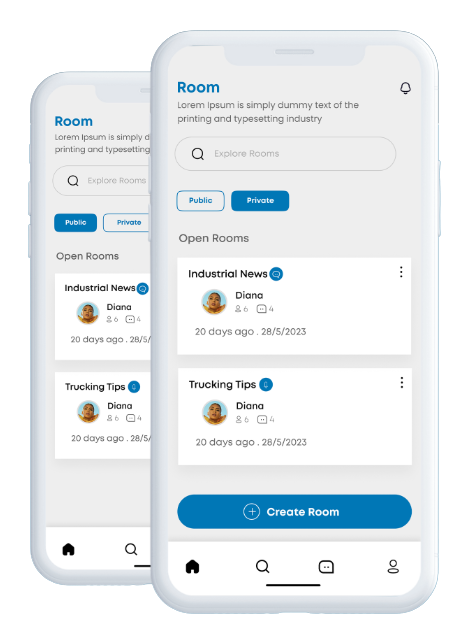
Start connecting with other truckers right now. TruckerCircle is completely free and easy to use. All it takes is a few taps to join the only voice-first trucking community designed to keep drivers in touch across the miles.