In the vast tapestry of America’s economy, few threads are as essential yet often overlooked as those woven by the nation’s truck drivers. These road warriors crisscross the country, delivering goods and services with a tenacity that keeps the wheels of commerce spinning. However, beneath the surface of this noble profession lies a pressing issue: the mental health of truck drivers. With long hours on the road and social isolation prevalent, how can we cultivate a supportive environment that prioritizes their mental well-being?
The Silent Struggles
Truck driving is one of the most solitary professions. According to the American Trucking Associations, there are approximately 3.5 million truck drivers in the U.S. Despite the camaraderie often celebrated among drivers at truck stops, many experience loneliness and stress that can lead to severe mental health challenges. Studies indicate that truck drivers are significantly affected by anxiety, depression, and substance abuse issues.
In 2020, a study conducted by the University of California, Berkeley, found that nearly 47% of truck drivers reported symptoms of depression, linked to the isolation and isolation of the job. The combination of economic pressures, irregular hours, and long periods away from home contribute to a perfect storm for mental health issues. Yet, there is a growing acknowledgment of these challenges, and the question remains: what can be done to support these hidden heroes?
The Role of Support Networks
Building a support network tailored for truck drivers could make a substantial difference in addressing their mental health challenges. This network could encompass a variety of resources, including peer support groups, mental health hotlines, and partnerships with trucking companies to foster an environment of openness regarding mental wellness.
Peer Support Groups
One promising initiative is the establishment of peer support groups. These groups provide a safe space for drivers to share their experiences and feelings, thus reducing the stigma often associated with mental health discussions. Organizations like Truckers United for Safety have started to facilitate these support networks, where drivers can come together and discuss their challenges in a judgment-free zone.
Teletherapy Options
Another avenue gaining traction is teletherapy, which allows drivers to access professional mental health services more conveniently. With mobile apps designed specifically for truck drivers, individuals can speak to licensed therapists from anywhere—be it a truck stop, rest area, or their own cab. This integration of technology not only provides practical solutions but also addresses the barriers that drivers often face when seeking conventional therapy.
Company Initiatives
Moreover, trucking companies themselves are increasingly recognizing the need for mental health support. Organizations such as Schneider National have implemented wellness programs aimed at educating and supporting their drivers. These programs often include stress management workshops, access to counseling services, and a culture that promotes mental health as a priority.
The Importance of Education and Awareness
Education plays a vital role in constructing a robust support network. Training company leadership and drivers on recognizing mental health issues and understanding the importance of seeking help is crucial. A well-informed team can act early, provide resources, and contribute to a more supportive work environment.
Workshops and Training
Several organizations are creating workshops aimed at training drivers and management teams about mental health awareness. These workshops emphasize communication skills and teach drivers how to self-identify symptoms of mental distress and how to reach out for help.
Community Engagement
Community involvement is another critical component of a comprehensive support network. Truck stops and rest areas can foster initiatives like mental health awareness days, where resources and information are readily available. Local community organizations can partner with trucking companies to host events that promote mental well-being, creating a culture that recognizes and accommodates the unique challenges faced by drivers.
Social Media and Online Communities
Moreover, leveraging social media and online platforms can create virtual communities wherein truck drivers can connect and share their experiences. Several Facebook groups and forums aim to provide spaces for drivers to discuss their concerns, share coping strategies, and offer support. These virtual interactions can help bridge the gap of isolation experienced on long hauls and may provide an environment of comfort and understanding.
Call to Action
The mission to improve truck drivers’ mental health should engage all levels of society—from governmental policies that support mental health initiatives to individual actions that prioritize these vital workers’ well-being. A supportive network must rally around truck drivers, acknowledging their sacrifices and offering tools to ensure their mental wellness.
By fostering peer support groups, providing teletherapy options, promoting education and awareness, and engaging the community, we can help create a culture that values mental health as a necessary component of occupational health. With these initiatives, the road does not have to be lonely, for our road warriors deserve not only our respect but also our unwavering support.
Download the App

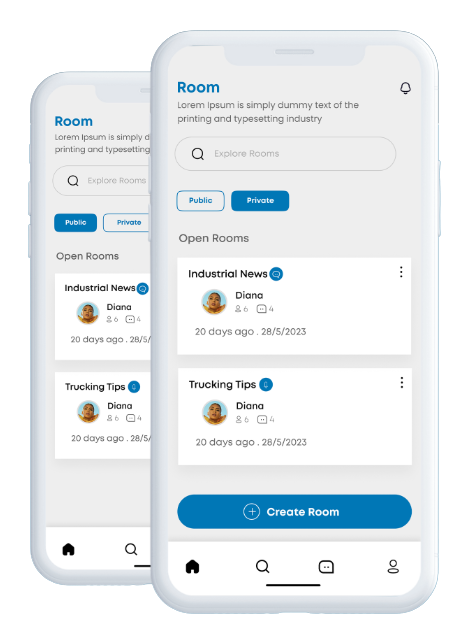
Start connecting with other truckers right now. TruckerCircle is completely free and easy to use. All it takes is a few taps to join the only voice-first trucking community designed to keep drivers in touch across the miles.