
The trucking industry is the backbone of the global economy, responsible for transporting nearly 70% of all freight in the United States alone. However, behind the wheel of an 18-wheeler lies a world rife with isolation. Long hours on the road, limited interaction with peers, and the unique pressures of the job can create a sense of loneliness. Fortunately, trucking support networks are emerging that aim to tackle this isolation, fostering a culture of connection and support among drivers.
The Challenge of Isolation
For many truck drivers, the solitude of the open road can lead to serious mental health challenges. According to a study by the Federal Motor Carrier Safety Administration, loneliness and stress are prevalent among long-haul drivers, contributing to burnout and attrition in the industry. “Driving can be a solitary profession, often leaving drivers feeling disconnected not only from their peers but from their families as well,” explains Dr. Sarah Klein, a psychologist specializing in occupational health.
This emotional toll is exacerbated by the demanding nature of the job, characterized by long hours and irregular schedules. When combined with physical demands and the constant pressure to meet delivery times, it sets the stage for a challenging work environment. “It’s vital for drivers to feel a sense of community, even when they are miles away from home,” adds Dr. Klein.
The Emergence of Support Networks
Recognizing the challenges faced by truck drivers, various organizations and initiatives have emerged to provide much-needed support. These networks aim to foster connections between drivers through mentorship programs, social media groups, and local meet-ups.
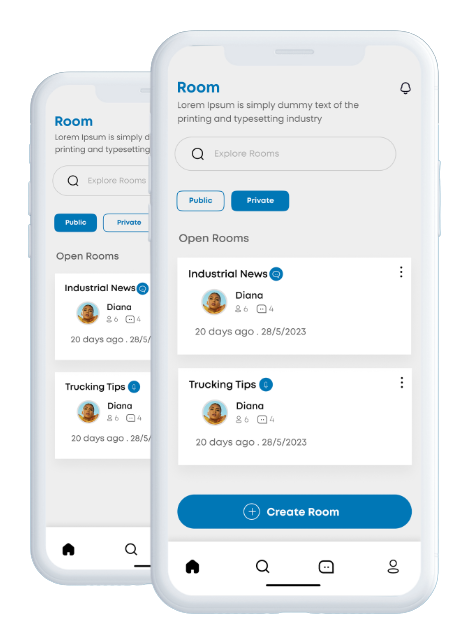
One innovative example is Trucker Path, a mobile app that not only offers navigation and parking services but also serves as a platform for drivers to connect with each other. Drivers can share tips, plan meet-ups, and even discuss personal challenges they face on the road. The community aspect is further enhanced through forums that provide invaluable advice on everything from vehicle maintenance to mental health strategies.
Another noteworthy organization is Women In Trucking (WIT), focused specifically on empowering women in the industry. Through events, mentorship programs, and online communities, WIT has become a safe space for women drivers to share their experiences, learn from one another, and foster meaningful relationships. “Support networks are particularly crucial for women, who often face unique challenges in what has been a male-dominated field,” says Ellen Voie, President and CEO of WIT.
The Role of Technology
Technology has played a significant role in bridging the gap between isolation and connection. Beyond mobile applications, social media platforms like Facebook and Instagram have become lifelines for drivers. Despite being miles apart, they can share their daily experiences, joys, and challenges, and even have virtual coffee chats to maintain camaraderie.
“Examples of these connections can be seen through groups dedicated to specific regions or interests, such as eco-friendly trucking or vintage truck restorations,” explains tech expert Marcus Lee. “Virtual communities allow for interaction without the constraints of time and distance.” This ease of communication not only reduces feelings of isolation but also encourages knowledge sharing, enhancing drivers’ skills and confidence.
Corporate Initiatives and Mental Health Support
The increasing recognition of mental health issues within the trucking industry has also led many companies to implement support initiatives for their drivers. For instance, Daseke Inc., one of the largest flatbed trucking companies in North America, has launched several mental health initiatives. These include access to counseling services, stress management workshops, and ongoing training programs aimed at improving drivers’ overall well-being.
It’s also worth noting how companies are shifting towards a more holistic approach to driver welfare. Many firms have started “wellness programs” that promote work-life balance, incentivizing drivers to take breaks, engage in physical activities, and connect with their peers in both virtual and real-world settings. In doing so, they are not only improving the mental health of their drivers but also enhancing productivity and job satisfaction.
Creating Lasting Connections
Building a strong support network requires more than merely connecting individuals; it requires nurturing relationships. Organizations like Trucker Buddy International have taken this goal to heart, pairing experienced drivers with newcomers in a mentoring relationship that provides guidance and emotional support while fostering a sense of community.
“These mentorship programs have shown promising results in not only helping new drivers adjust but also reinforcing the social fabric of the trucking community,” explains Samantha Torres, a logistics coordinator involved in mentorship initiatives. By ultimately creating a more connected community, such programs contribute to lower turnover rates and a stronger workforce overall.
Conclusion
As the trucking industry evolves, so too must its approach to the emotional well-being of its drivers. From leveraging technology to creating impactful networks, the journey from isolation to connection is crucial for fostering a healthier work culture. As Dr. Klein rightly points out, “Connection is key. It’s essential for every truck driver to feel they have a support system, no matter where their journey takes them.”
Ultimately, by embracing community and connectivity, the trucking industry can build a more resilient and engaged workforce, ensuring that its drivers are not just solitary figures on the road, but a thriving community of professionals supporting one another in their journeys.
Download the App

Start connecting with other truckers right now. TruckerCircle is completely free and easy to use. All it takes is a few taps to join the only voice-first trucking community designed to keep drivers in touch across the miles.