
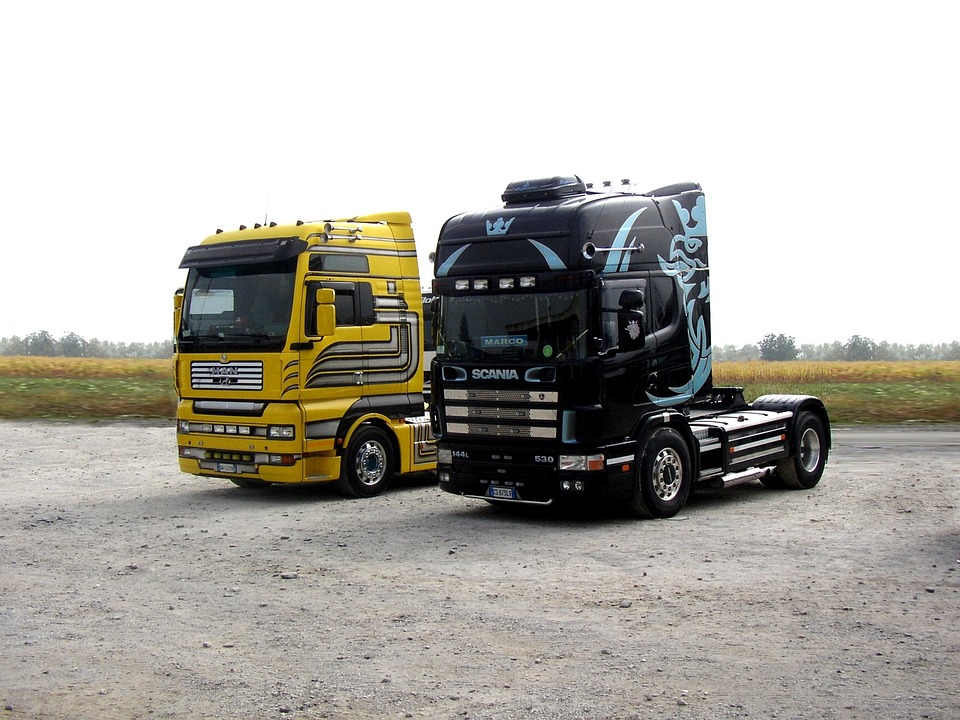
The trucking industry, a vital component of the U.S. economy, is undergoing significant scrutiny and regulatory shifts that are reshaping its landscape. As lawmakers and regulatory agencies seek to tackle issues ranging from safety to environmental impact, truck operators and logistics managers must stay informed about these changes. This article delves into the latest regulatory updates and what they mean for the trucking industry.
Background Context: The Importance of the Trucking Industry
Trucking is responsible for transporting over 70% of the nation’s freight, making it a crucial pillar of American commerce. With nearly 3.5 million truck drivers in the United States, the industry generates over $800 billion annually. However, the increasing demand for efficient logistics alongside the need for sustainability and safety has put the spotlight on regulatory frameworks governing this sector.
New Regulatory Changes: Overview
In recent months, several regulatory bodies, including the Federal Motor Carrier Safety Administration (FMCSA) and the Environmental Protection Agency (EPA), have proposed new rules impacting everything from driver safety to emissions standards. Here are some key changes:
1. Enhanced Driver Safety Regulations
One of the most anticipated changes is the FMCSA’s Enhanced Driver Safety Proposal. This initiative aims to implement stricter controls on driver qualifications and training. Key elements include:
- Mandatory entry-level driver training requirements.
- Improved monitoring of hours of service (HOS) compliance through electronic logging devices (ELDs).
- Stricter penalties for violations of safety regulations.
The focus on safety is essential, particularly as the trucking industry continues to face a rising number of road incidents. According to data from the National Highway Traffic Safety Administration (NHTSA), fatal accidents involving large trucks increased by 2% from 2020 to 2021.
2. Stricter Emissions Standards
The EPA has introduced new emissions standards aimed at reducing greenhouse gases (GHGs) and particulates from heavy-duty trucks. The proposed regulations include:
- Lowering nitrogen oxide (NOx) emissions by 90% by 2030.
- Encouraging the adoption of electric and alternative fuel vehicles.
- Increasing penalties for non-compliance with emissions standards.
The trucking sector faces pressure to embrace cleaner technology, as public concern regarding climate change continues to mount. Transitioning to green technologies is not just about compliance; it’s also an opportunity for innovation and cost savings in the long term.
3. Increased Inspections and Audits
To ensure compliance with safety and regulatory standards, truck audits and inspections are becoming more frequent. The FMCSA is investing in advanced technology for better monitoring and evaluation of trucking operations. This includes:
- Real-time tracking of vehicle safety compliance.
- Data analytics to identify patterns in safety and operational performance.
While this increased scrutiny aims to improve safety on the roads, it represents additional operational challenges for trucking companies that must ensure compliance at all times.
The Impact on Trucking Companies
With these changes on the horizon, trucking companies must adapt swiftly. Here are a few strategies to consider:
Investment in Training and Technology
Companies should prioritize investment in training programs for drivers, ensuring they meet new standards and regulations. In parallel, investing in technology such as telematics and ELDs can help with compliance and operational efficiency.
Exploring Sustainable Practices
Transitioning to sustainable practices can not only ensure compliance with emerging regulations but also reduce long-term operational costs. Many trucking companies are exploring options like:
- Transitioning to electric vehicles (EVs) and hybrid models.
- Implementing fuel-efficient routing software.
Building a Compliance Culture
A culture of compliance is paramount as regulations tighten. Establishing clear policies, regular training, and creating accountability among teams can make a significant difference.
The Road Ahead
The trucking industry stands at a crossroads, challenged by new regulatory pressures that emphasize safety, environmental responsibility, and overall efficiency. While these changes may initially pose hurdles, they present an opportunity for growth and innovation that will ultimately benefit the sector as a whole.
Being proactive and informed is crucial for trucking companies navigating these regulatory waters. The focus should be on embracing these changes rather than viewing them merely as challenges. By doing so, the industry can not only survive but thrive in a rapidly evolving marketplace, ensuring safe and effective transportation for years to come.
Conclusion
Regulatory changes in the trucking industry reflect society’s shifting priorities and highlight the need for enhanced safety and sustainability. As these changes take effect, staying informed and adaptable will be key to success. Trucking companies that look ahead and strategize now will be the ones thriving in the future, navigating the roads with confidence amidst regulatory scrutiny.
Download the App

Start connecting with other truckers right now. TruckerCircle is completely free and easy to use. All it takes is a few taps to join the only voice-first trucking community designed to keep drivers in touch across the miles.


