
Understanding the Importance of Uptime
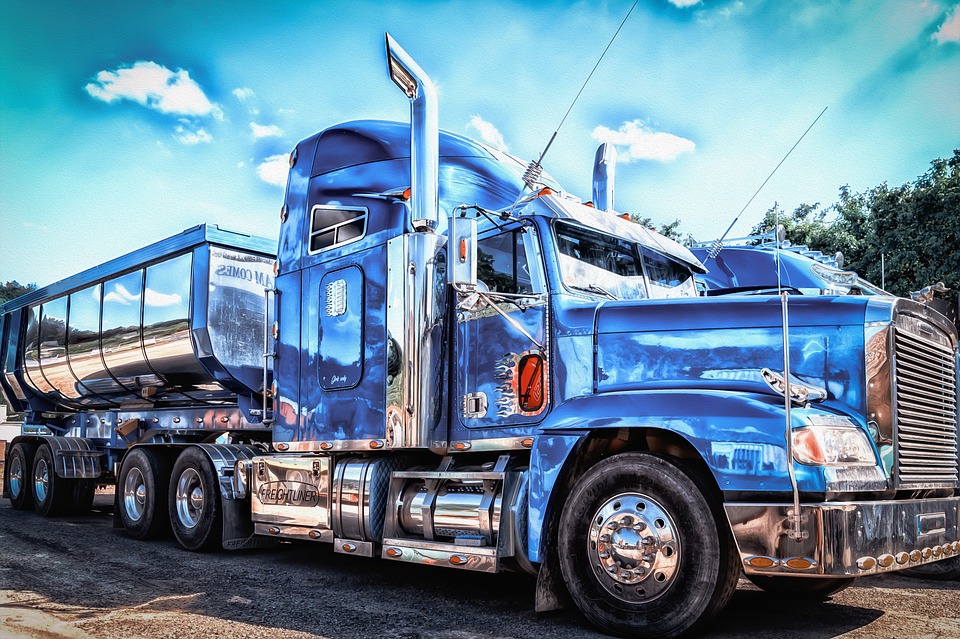
For fleet operators, maximizing uptime is not just about keeping the wheels turning; it’s about ensuring efficiency, profitability, and reliability in operations. Freightliners, known for their durability and performance, require proactive maintenance to minimize downtime. Each minute spent off the road translates into lost revenue and potential damage to customer relationships.
Routine Maintenance: The Backbone of Reliability
One of the essential strategies for keeping your Freightliner running smoothly is to adhere to a strict routine maintenance schedule. This not only involves regular checks but also timely replacements of worn-out parts. Various components require attention, including:
-
- Engine Oil: Regular oil changes promote engine longevity. Look out for signs such as discolored oil or the presence of metal shavings.
-
- Filters: Replace fuel, air, and oil filters as per the maintenance schedule. Clogged filters can significantly affect performance.
-
- Tires: Regularly check tire pressure and tread depth. Uneven wear can lead to traction issues and may cause accidents.
-
- Brakes: Inspect brake pads and hydraulic systems frequently. Brake failure can lead to catastrophic outcomes.
Keeping an Eye on Technology
Modern Freightliners come equipped with intricate electronic systems designed to enhance performance and diagnostics. Familiarizing yourself with these systems is vital:
-
- Telematics: Utilize telematics systems to track performance metrics, fuel consumption, and maintenance alerts. This data-driven approach helps in identifying issues before they escalate.
-
- Diagnostic Tools: Many Freightliner models feature onboard diagnostics that can alert you to engine problems early. Regularly check these systems and address warnings swiftly.
Preventive Measures: Avoiding Major Breakdowns
Preventive maintenance is key in ensuring that smaller issues don’t snowball into major problems.
Consider engaging in these best practices:
-
- Daily Inspections: Perform daily inspections of critical systems, such as lights, brakes, and fluid levels. A thorough check can catch small issues before they necessitate extensive repairs.
-
- Fluid Checks: Engage in regular checks of all vital fluids, including coolant, transmission fluid, and brake fluid. Maintaining proper fluid levels can avert serious engine and system failures.
-
- Scheduled Maintenance: Stick to the manufacturer’s recommended service schedule. This includes regular inspections at specified mileage or time intervals.
Upgrading Parts: When Is the Right Time?
Freightliners are built tough, but parts will wear down over time. Knowing when to upgrade or replace parts is crucial in preventing failures:
-
- Aftermarket vs OEM Parts: While aftermarket parts can be tempting due to lower costs, OEM (Original Equipment Manufacturer) parts usually guarantee better compatibility and longevity.
-
- Regular Evaluations: Have a trusted mechanic evaluate the condition of critical parts periodically. This is particularly important for components that are subject to high stress, like the transmission and axles.
Fuel Efficiency: A Key Component of Maintenance
Maintaining fuel efficiency contributes significantly to lowering operational costs and ensuring your Freightliner has maximum uptime.
-
- Regular Fuel System Maintenance: Keep your fuel injectors clean and inspect the fuel pump regularly to prevent clogs.
-
- Monitor Fuel Quality: Fuel contamination can lead to significant engine problems. Use quality diesel and consider buying from reputable suppliers.
Best Practices for Drivers
Regardless of how well a vehicle is maintained, driver habits play a vital role in the overall health of a Freightliner:
-
- Driving Style: Encourage smooth acceleration and braking to reduce wear on components.
-
- Load Management: Make sure loads are properly distributed and within recommended limits to prevent strain on the engine and brakes.
-
- Reporting Issues: Train drivers to report unusual noises or performance changes immediately to facilitate prompt maintenance.
Conclusion: Investing in Longevity
Investing time and resources into the upkeep of your Freightliner pays dividends in the long run. By implementing a comprehensive maintenance strategy focused on routine checks, proactive repairs, and educating your drivers, you can significantly increase uptime. Remember that every hour on the road equates directly to your bottom line, making it crucial to keep your Freightliner in peak condition. Prioritizing maintenance not only extends the life of the vehicle but also enhances its performance and safety on the road.
Download the App

Start connecting with other truckers right now. TruckerCircle is completely free and easy to use. All it takes is a few taps to join the only voice-first trucking community designed to keep drivers in touch across the miles.