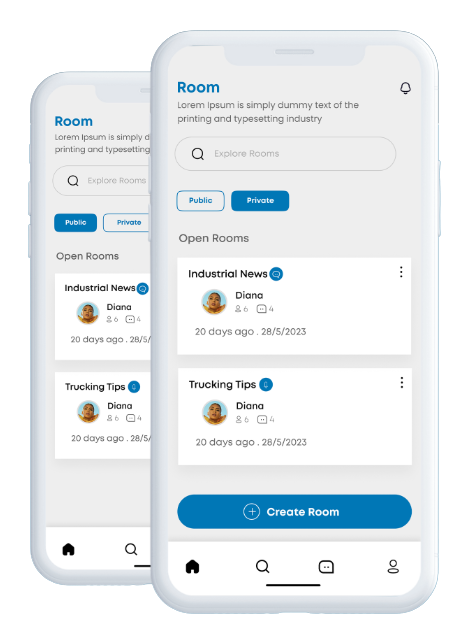

In recent years, the trucking industry has undergone a seismic shift, primarily driven by technological advancements. Smart trucking apps have emerged as game-changers, redefining how freight transport operates. From enhancing logistics and improving safety to creating cost efficiencies, these apps are revolutionizing the trucking landscape.
The Long Haul: Understanding the Industry’s Challenges
The trucking industry is often dubbed the backbone of the U.S. economy, responsible for transporting over 70% of goods within the country. However, it faces numerous challenges, including driver shortages, fuel inefficiencies, and regulatory compliance. According to the American Trucking Association, the industry is short approximately 80,000 drivers, a number that could triple in the coming years due to an aging workforce and increasing demands.
Additionally, inefficiencies in logistics can lead to significant costs for trucking companies. Delays, miscommunication, and lack of real-time tracking contribute to wasted time and resources. This is where smart trucking apps come into play.
The Smart Revolution: What Are Smart Trucking Apps?
Smart trucking apps utilize cutting-edge technology—including GPS, Artificial Intelligence (AI), and the Internet of Things (IoT)—to provide integrated solutions for trucking operations. These applications offer various features such as route optimization, real-time tracking, load matching, and driver management, all aimed at maximizing efficiency and reducing overhead costs.
Route Optimization
Route optimization tools leverage real-time traffic data, weather conditions, and other variables to suggest the most efficient paths for drivers. For instance, apps like KeepTruckin and SmartLogistics employ algorithms that not only consider distance but also traffic patterns, thus reducing travel time and fuel consumption.
Real-Time Tracking
The ability to track shipments in real-time enhances both transparency and accountability. Customers can monitor their goods from the point of origin to the final destination, reducing anxiety and building trust in service providers. For example, apps like Transporeon offer detailed tracking features that provide updates on shipment status to both carriers and customers, streamlining communication and expectations.
Load Matching
Load matching functionalities, found in apps like Trucker Path, connect drivers with available loads that require transportation, minimizing empty miles and maximizing earnings. This capability is crucial given the truck driver shortage; matching available drivers with loads efficiently can lead to more profitable outcomes for all parties involved.
Safety First: Enhancing Driver and Cargo Safety
Safety remains paramount in the trucking industry, and smart trucking apps play a vital role in addressing this concern. Features like driver behavior monitoring and vehicle diagnostics can potentially reduce accidents and breakdowns. For example, systems integrated within apps can analyze driving patterns, providing feedback to drivers in real-time to improve their performance.
Vehicle Maintenance
Another safety-forward feature is vehicle maintenance tracking. Apps can send alerts when regular maintenance is due or when specific components show signs of wear. By keeping trucks in optimal condition, companies can mitigate the risk of breakdowns and accidents on the road.
Environmental Factors: Reducing Carbon Footprint
With climate change awareness on the rise, the trucking industry must adapt to more eco-friendly practices. Smart trucking apps contribute to this shift by improving fuel efficiency through better route planning and load management. Research suggests that optimizing driving routes can reduce fuel consumption by up to 25% in some cases, directly lowering carbon emissions.
Challenges and Considerations
While the advantages of smart trucking apps are undeniable, challenges do exist. One of the primary concerns is data security. As logistics companies collect and manage vast amounts of sensitive data, they become prime targets for cyber-attacks. It is essential for businesses to adopt robust cybersecurity measures to protect their data and maintain customer trust.
Moreover, the integration of these technologies requires significant investment. Not all trucking companies, especially smaller firms, have the financial resources to implement such sophisticated solutions. As the technology continues to evolve, it is crucial for stakeholders to find ways to make these innovations accessible to all players in the industry.
The Road Ahead: What’s Next for Smart Trucking?
The future of trucking appears bright, with the potential for further disruption as smart technologies develop. Features such as autonomous trucks, predictive analytics, and enhanced AI capabilities could be on the horizon. However, the successful implementation of these technologies will hinge on collaboration between tech innovators, trucking companies, and regulators.
As the industry continues to embrace smart trucking apps, we will likely see a ripple effect that enhances not only operational efficiency but also safety, sustainability, and overall service quality. In this fast-changing landscape, one thing is abundantly clear: the roads of tomorrow will be smarter, safer, and more connected than ever before.
Sources:
- American Trucking Association
- KeepTruckin Official Website
- Transporeon Company Reports
- Research from McKinsey & Company on logistics and trucking efficiency
Download the App

Start connecting with other truckers right now. TruckerCircle is completely free and easy to use. All it takes is a few taps to join the only voice-first trucking community designed to keep drivers in touch across the miles.