
1. Understanding the Trucking Industry
Trucking is a vital component of the logistics and transportation sector, responsible for transporting approximately 70% of all freight tonnage in the U.S. The American Trucking Association (ATA) reports that the industry generated over $700 billion in revenue in 2020. Understanding the nuances of this industry is the first step toward building a successful trucking business.
2. Laying the Groundwork for Your Business
Before you jump into the trucking business, it’s crucial to draft a comprehensive business plan. This plan should outline your business model, target market, operating expenses, and revenue projections. You should also consider the following:
- Type of Trucking: Decide whether you’d like to operate as a freight broker, owner-operator, or fleet owner.
- Business Structure: Choose between sole proprietorship, LLC, or corporation based on taxation and liability.
- Location: Determine where your business will be registered and the geographic areas you plan to serve.
3. Licensing and Regulation
Compliance with federal and state regulations is non-negotiable in the trucking industry. You’ll need various licenses, including:
- Commercial Driver’s License (CDL): Required for operating heavy vehicles.
- DOT Number: Necessary for interstate commerce; issued by the Federal Motor Carrier Safety Administration (FMCSA).
- Unified Carrier Registration (UCR): Required for companies operating in interstate or international waters.
Ensure you stay updated with the FMCSA regulations to avoid fines and penalties.
4. Securing Financing
Starting a trucking business can require a substantial initial investment, covering costs for trucks, insurance, permits, and operating expenses. Here are some funding options:
- Traditional Loans: Approach banks for business loans.
- Equipment Financing: Specifically for purchasing trucks; often provided by specialized lenders.
- Grants and Subsidies: Federal and state programs might provide funding opportunities.
5. Purchasing Your Fleet
Your choice of vehicles will significantly impact your operational efficiency. Here’s how to make informed decisions:
- New vs. Used: New trucks offer warranties but come at a higher cost. Used trucks are cheaper but involve more maintenance.
- Fuel Efficiency: Opt for vehicles with better fuel economy to lower ongoing costs.
- Maintenance Costs: Consider models known for reliability and lower upkeep expenses.
6. Insurance and Risk Management
Insurance is a non-negotiable aspect of operating a trucking business. Essential coverages include:
- Liability Insurance: Protects you against claims for accidents caused by your drivers.
- Cargo Insurance: Covers loss or damage to the goods you transport.
- Physical Damage Insurance: Safeguards your trucks from damages due to accidents or theft.
7. Hiring Drivers
Your drivers will be the face of your business. When hiring, consider the following:
- Experience and Training: Look for drivers with good safety records and proper training.
- Background Checks: Conduct thorough background checks to ensure reliability and minimize risk.
- Competitive Pay: Offering competitive salaries and benefits can attract quality talent.
8. Marketing Your Trucking Business
In a competitive industry, effective marketing strategies are crucial to gaining clients. Use these techniques:
- Online Presence: Create a professional website and utilize social media platforms to establish your brand.
- Networking: Build relationships with shippers, freight brokers, and industry contacts.
- Referral Programs: Encourage satisfied clients to refer new business by offering incentives.
9. Adapting to Industry Changes
The trucking industry is dynamic, influenced by technology and regulatory shifts. Stay ahead of the curve by:
- Implementing Technology: Use logistics software for route optimization and fleet management.
- Investing in Training: Keep your team updated on the latest regulations and industry best practices.
- Monitoring Trends: Stay informed about fuel prices, driver shortages, and emerging technologies.
10. Conclusion
Launching a successful trucking business requires thorough research, meticulous planning, and dedication to operating within regulatory frameworks. By focusing on essential elements like financing, fleet purchasing, insurance, and marketing, you can position your trucking business for success. As you navigate the challenges and opportunities in the industry, stay committed to delivering quality service, and watch your business thrive in the ever-evolving logistics landscape.
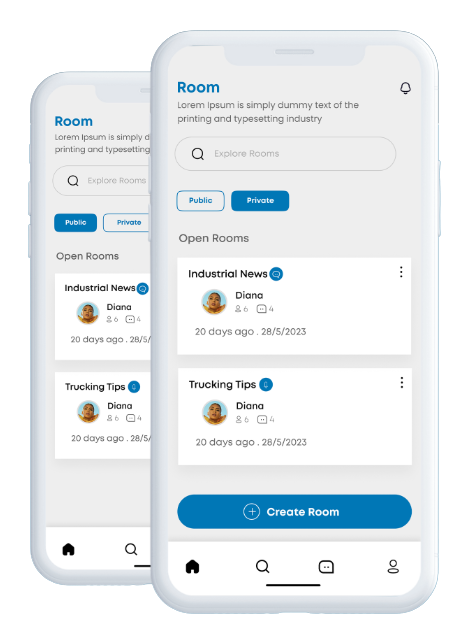
Download the App

Start connecting with other truckers right now. TruckerCircle is completely free and easy to use. All it takes is a few taps to join the only voice-first trucking community designed to keep drivers in touch across the miles.