
The trucking industry is the backbone of the American economy, responsible for transporting about 72.5% of the nation’s freight by weight. In this competitive and complex landscape, trucking entrepreneurs face unique challenges and opportunities. To thrive in this dynamic sector, it’s essential for these business leaders to equip themselves with the right strategies. Below are crucial avenues to explore for ensuring sustainability and growth in the trucking business.
Understanding Regulatory Compliance
Success in the trucking industry starts with a thorough understanding of regulatory compliance. The Federal Motor Carrier Safety Administration (FMCSA) enforces numerous regulations that govern trucking businesses. Failure to comply can lead to severe penalties and operational shut-downs.
- Stay Informed: Regularly check FMCSA updates and changes in regulations.
- Invest in Training: Ensure that drivers and staff are well-trained in safety and compliance protocols.
- Maintain Proper Documentation: Keep all necessary records meticulously organized to avoid legal issues.
Compliance isn’t just about avoiding fines; it’s also about building a reputation for reliability and safety. Consequently, fostering a culture of compliance within your organization is pivotal.
Building a Strong Business Network
Networking plays a critical role in the trucking business. Collaborating with other entrepreneurs, suppliers, and industry experts can open doors to valuable insights and opportunities.
- Join Industry Associations: Organizations like the American Trucking Associations (ATA) provide resources, networking opportunities, and advocacy.
- Attend Industry Conferences: Events such as the Mid-America Trucking Show (MATS) allow entrepreneurs to connect and learn from peers.
- Leverage Social Media: Platforms like LinkedIn enable you to share knowledge and foster connections in the industry.
Networking not only provides potential partnerships but also helps you stay ahead of industry trends, innovations, and challenges.
Investing in Technology
In today’s fast-paced world, technology is crucial for operational efficiency. From logistics management to route optimization, the right tools can significantly enhance productivity.
- Adopt Fleet Management Software: Solutions like Samsara or Fleet Complete streamline operations, track vehicles in real time, and improve route planning.
- Utilize Telematics: Employ telematics systems to monitor vehicle performance and driver behavior, fostering both safety and efficiency.
- Implement Load Boards: Using load boards can help find freight quickly, minimizing downtime and maximizing profitability.
Investing in technology may involve upfront costs, but the long-term benefits include reduced operational costs and increased customer satisfaction.
Financial Management Strategies
Effective financial management is the backbone of any successful business. For trucking entrepreneurs, understanding cash flow, budgeting, and financial forecasting is vital.
- Create a Detailed Budget: Itemize all costs, including fuel, maintenance, and labor, to manage your finances more effectively.
- Establish an Emergency Fund: Unexpected repairs and downtimes can happen, so having a reserve can keep the business afloat in challenging times.
- Monitor Fuel Costs: Fuel is one of the largest expenses; investing in fuel management systems can provide insights into consumption and help cut costs.
Additionally, consider working with a financial advisor or accountant who specializes in the transportation industry. Their expertise can be invaluable in navigating complex regulations and maximizing profits.
Prioritizing Safety and Training
A strong safety culture is paramount in the trucking industry. High safety standards protect drivers, cargo, and the community, while also reducing liability and improving your bottom line.
- Regular Training Programs: Implement ongoing training sessions for drivers to keep them updated on safety protocols and best practices.
- Conduct Regular Safety Audits: Periodic checks can identify areas for improvement, ensuring compliance and safety standards are met.
- Offer Incentives for Safe Driving: Implementing reward programs for accident-free driving can motivate employees to adhere to safety measures.
Fostering a culture of safety not only enhances your company’s reputation but can also lower insurance costs and improve employee morale.
Emphasizing Customer Relationships
Building and maintaining strong relationships with customers is essential for long-term success. Satisfied clients often lead to repeat business and referrals.
- Communicate Regularly: Keep clients informed about shipment statuses and any potential delays. Transparency builds trust.
- Solicit Feedback: Regularly seek input from customers on your services and use that feedback to make improvements.
- Be Reliable: Timely deliveries and good service can distinguish your business in a competitive market.
Remember that exceptional customer service can transform a single transaction into a lasting business relationship.
Conclusion
Navigating the trucking industry requires meticulous planning, a willingness to adapt, and a proactive mindset. By focusing on compliance, networking, technology, financial management, safety, and customer relationships, trucking entrepreneurs can carve out a path to success. Embracing these strategies not only fosters growth but also ensures a resilient and sustainable trucking operation in the dynamic landscape of logistics.
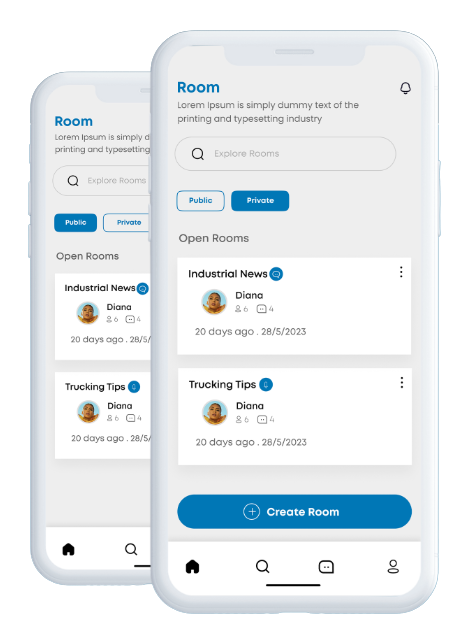
Download the App

Start connecting with other truckers right now. TruckerCircle is completely free and easy to use. All it takes is a few taps to join the only voice-first trucking community designed to keep drivers in touch across the miles.