
The trucking industry has long been the backbone of global supply chains, moving essential goods across cities, states, and countries. However, the advent of technological advancements and a growing emphasis on sustainability are driving significant changes within this sector. From autonomous vehicles to electric trucks, here are some of the most transformative innovations shaping the future of trucking.

Modern technology is revolutionizing the trucking industry.
1. Autonomous Trucks: The Future of Freight Transport
Self-driving technology is making waves in various industries, and trucking is no exception. Major players like Waymo, Tesla, and Uber Freight are pouring resources into research and development for autonomous trucks. These vehicles promise to enhance safety, reduce operational costs, and address the ongoing driver shortage.
According to a 2022 report from the American Trucking Associations, the U.S. faces a shortage of approximately 80,000 truck drivers, a number projected to increase in the coming years. Autonomous trucks could serve as a solution to this growing crisis, allowing goods to be transported with fewer drivers while also minimizing human error, which contributes to approximately 94% of accidents.
2. Electric and Alternative Fuel Trucks
As climate change concerns rise, the push for sustainability has never been more critical in the trucking industry. Electric trucks are gaining traction, with companies like Tesla, Rivian, and Freightliner leading the charge. These vehicles not only reduce carbon emissions but also offer lower operating costs through decreased fuel and maintenance expenses.
The transition isn’t just limited to electricity; alternative fuels, such as hydrogen fuel cells, are also being explored. These technologies allow for longer driving ranges and quicker refueling compared to traditional electric charging, making them a viable option for long-haul trucking.
3. Advanced Telematics
Telematics combines telecommunications and monitoring systems to improve operational efficiency, safety, and accountability. By integrating GPS tracking, truck operators can monitor vehicle location, driver behavior, and even engine performance in real-time.
Telematics contributes to operational efficiency by enabling predictive maintenance and reducing downtime. Fleet managers can analyze data to identify trends and areas for improvement, ultimately providing better service to customers while saving money.
4. Blockchain Technology
In an industry that relies heavily on paperwork and various stakeholders, blockchain technology offers an innovative solution for improving transparency and traceability. Blockchain can streamline administrative processes by creating immutable records of transactions and shipments.
This technology not only enhances security but also minimizes fraud and allows all parties in the supply chain to access information in real-time. By providing an accurate, tamper-proof ledger, blockchain enhances accountability and trust in the logistics process.
5. Connectivity and the Internet of Things (IoT)
The Internet of Things is transforming the trucking landscape by enabling vehicles and equipment to communicate with each other and with central systems. Sensors embedded in trucks can monitor everything from tire pressure to engine temperature, sending real-time data to fleet managers.
This connectivity allows for better maintenance schedules, optimizing routes based on real-time traffic data, and even improving driver safety through alerts about potential hazards. The IoT streamlines operations, ultimately leading to more efficient delivery processes.
6. Augmented Reality and Driver Training
Training new truck drivers has long been a challenge, and augmented reality (AR) is being leveraged to improve the learning experience. AR can simulate real-world road conditions, allowing trainees to practice without the associated risks.
Using AR glasses, new drivers can receive guidance and feedback while navigating challenging scenarios. This technology can help reduce training time and improve driver competence before they hit the road.
7. Regulatory Changes and Incentives
As technology evolves, governments are also adapting regulations to accommodate new innovations in trucking. Many jurisdictions are introducing incentives for companies that adopt sustainable practices, including tax breaks for electric vehicles or grants for implementing telematics solutions.
However, it’s crucial for trucking companies to stay informed about changing regulations, especially regarding autonomous vehicles and safety standards. Keeping compliance in mind ensures smoother operations and avoids potential legal challenges.
8. The Role of Data Analytics
Data analytics plays a vital role in shaping decision-making processes within the trucking industry. Companies are harnessing vast amounts of data collected from telematics, driver behavior, and fuel consumption to make informed choices about routes, maintenance, and driver performance.
By leveraging data analytics, fleet operators can achieve significant cost savings and efficiency improvements, ultimately leading to enhanced competitiveness in the market.
Conclusion
The trucking industry stands at the precipice of a technological revolution, with innovations reshaping its landscape in unprecedented ways. While the transition towards automation, electrification, and data-driven decision-making may pose challenges, the potential benefits far outweigh the hurdles. From easing the driver shortage to enhancing sustainability, these advancements promise a future where trucking is more efficient, reliable, and environmentally friendly.
As the industry continues to evolve, it is crucial for stakeholders to embrace these innovations to stay ahead in a competitive market. The future of trucking, powered by innovation, is not just a possibility; it is on the road ahead.
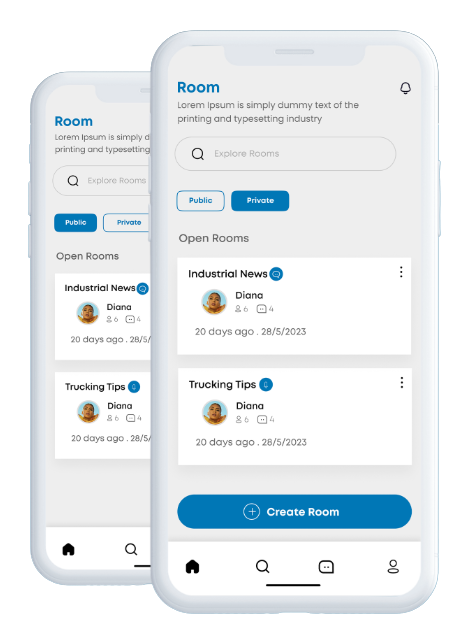
Download the App

Start connecting with other truckers right now. TruckerCircle is completely free and easy to use. All it takes is a few taps to join the only voice-first trucking community designed to keep drivers in touch across the miles.