
The open road is a sanctuary for many truckers, a space where the horizon stretches endlessly and the promise of adventure lies just around the bend. However, beneath the tranquility of the long drives and the rhythmic hum of the engine, many truck drivers grapple with isolation, stress, and emotional exhaustion. The life of a trucker is not just about transporting goods; it’s a complex journey filled with the ebbs and flows of mental health challenges. This article explores how emotional support systems—friends, family, and even fellow truckers—play a crucial role in shaping the lives of those behind the wheel.
The Silent Struggles
Truckers often work long hours, spending days and weeks away from home and loved ones. According to the American Trucking Associations, nearly 3.5 million truck drivers operate in the United States, with many of them logging upwards of 70 hours a week. This demanding lifestyle often leads to feelings of isolation and loneliness. A 2021 study by the National Institute for Occupational Safety and Health (NIOSH) found that truck drivers experience higher rates of depression and anxiety compared to the general population. These emotional struggles can impact their performance and overall well-being.
One trucker, Mark Johnson, 45, shared his story: “You drive for hours with nothing but the sound of the radio, and sometimes it gets to you. You miss birthdays, anniversaries, and family gatherings. It’s not just the time away; it’s the loneliness that really gets under your skin.”
The Role of Emotional Support
Emotional support is essential for truckers navigating these challenges. For many, maintaining close relationships with family and friends helps counteract the feelings of loneliness that can creep in after weeks on the road. Technology has made this easier, enabling drivers to connect with loved ones through video calls, social media, and messaging apps.
Moreover, the trucking community itself serves as an invaluable support network. Many truckers form bonds with fellow drivers, sharing experiences, challenges, and encouragement during their journeys. Online forums and social media groups dedicated to truckers are popular, providing a platform for discussion and support.
“We have our own little family out here on the road. Whether it’s sharing tips about routes or just chatting about life, it makes a huge difference.” – Sarah, a long-haul trucker.
The Impact of Mental Health
The pressure to meet deadlines and the unique challenges of the open road create a complex mental landscape for truckers. The correlation between emotional well-being and job performance is well-documented: those who have solid support systems are more likely to handle stress effectively and remain engaged with their work.
Research suggests that mental health initiatives specifically designed for truck drivers may mitigate some of these challenges. Programs that emphasize peer support and mental health education can empower drivers to seek help when needed. The Owner-Operator Independent Drivers Association (OOIDA) has even implemented mental health awareness campaigns to address the stigma surrounding mental health in the trucking industry.
Innovative Solutions
To further bolster emotional support, several trucking companies are integrating mental health resources directly into their employee support programs. These may include access to counseling services and wellness applications that focus on stress management and mental health training.
Tammy, a fleet manager at a major trucking company, explained, “We understand that our drivers are more than just cogs in the wheel. Their mental health matters as much as their ability to deliver goods on time. Providing resources for emotional support is not just good business; it’s our responsibility.”
Strategies for Truckers
For truckers looking to enhance their emotional well-being, several strategies can be effective:
- Connect Regularly: Prioritize time to connect with family and friends, even during short breaks.
- Peer Support: Engage with fellow drivers, whether through social media or networking at truck stops.
- Mindfulness Practices: Incorporate mindfulness exercises, such as meditation or deep-breathing techniques, to reduce stress.
- Stay Active: Physical fitness is a crucial component of mental health; consider incorporating stretches or exercises during breaks.
- Seek Professional Help: If feelings of depression or anxiety become overwhelming, don’t hesitate to reach out to a mental health professional.
The Road Ahead
As the trucking industry evolves, so too does the recognition of mental health and emotional well-being. Initiatives aimed at improving the lives of truckers are becoming more prevalent, highlighting the importance of comprehensive support systems. Addressing mental health is not just beneficial for drivers; it creates healthier, more productive work environments that ultimately result in better performance overall.
While the road may be long and winding, understanding the emotional struggles that truckers face brings us closer to ensuring that these vital workers receive the support they need. By fostering a culture that values mental health, we can empower truck drivers to navigate life’s challenges—both on and off the road.
Download the App

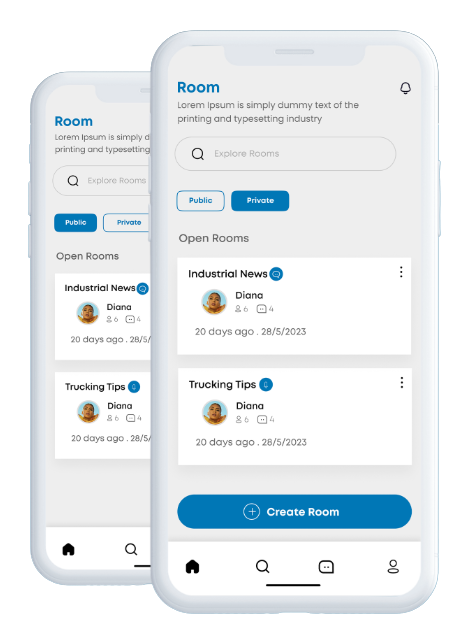
Start connecting with other truckers right now. TruckerCircle is completely free and easy to use. All it takes is a few taps to join the only voice-first trucking community designed to keep drivers in touch across the miles.