
Every time we hit the road, we face the unforeseen. Whether it’s a sudden flat tire, an engine failure, or an unexpected traffic jam, being prepared can make a world of difference. Proper vehicle preparation is not only an essential part of responsible car ownership but also a critical step in ensuring your own safety and that of others on the road. This article offers insights into vehicle inspection and maintenance, alongside practical tips that can help mitigate many common issues drivers encounter.
The Importance of Regular Inspections
Just like routine health check-ups, regular vehicle inspections are vital to keeping your car in optimal condition. A well-maintained vehicle not only performs better but also offers enhanced safety. According to the National Highway Traffic Safety Administration (NHTSA), thousands of accidents annually result from poorly maintained vehicles. Regular inspections can catch potential problems before they turn into dangerous or costly failures.
Key Areas to Inspect
Before embarking on any significant journey, consider checking the following areas:
- Tires: Inspect for proper inflation, tread depth, and any visible damage. Correct tire pressure improves fuel efficiency and reduces the risk of blowouts.
- Fluids: Check oil, coolant, brake fluid, transmission fluid, and windshield washer fluid levels. Low fluid levels can lead to engine overheating and transmission issues.
- Brakes: Listen for unusual sounds when braking and check brake pads and rotors for wear. Proper braking function is essential for your safety in emergencies.
- Battery: Inspect for corrosion and ensure that all connections are clean and secure. A weak battery can leave you stranded.
- Lights: Ensure that headlights, brake lights, and turn signals are functioning correctly. Visibility is crucial, especially during nighttime driving.
Creating a Preparedness Kit
Despite your best efforts at inspection and maintenance, emergencies can still occur. Having an emergency preparedness kit in your vehicle ensures that you’re ready for a range of unexpected situations. Here’s what to include in your kit:
- Spare Tire and Tools: Don’t forget a jack and lug wrench to assist in changing a flat tire.
- First-Aid Supplies: A basic first-aid kit can be invaluable in case of minor injuries.
- Jumper Cables: For those moments when your battery decides to give up.
- Flashlight: A good quality flashlight with extra batteries for emergencies during nighttime.
- Water and Snacks: Non-perishable snacks and water can make a long wait for help more bearable.
- Blanket: In cold weather, a blanket can be a lifesaver.
Staying Informed
Technology has transformed the way we maintain and monitor our vehicles. Numerous applications and devices are available that allow you to keep tabs on your car’s health. For instance, diagnostic tools can sync with your vehicle’s computer and provide real-time data on potential issues. Regularly updating yourself with this information can prevent minor problems from escalating into serious ones.
Additionally, keep an eye on recalls related to your vehicle. The NHTSA maintains a comprehensive database where you can check for recalls that might affect your car. Being informed can help you address potential vulnerabilities quickly.
Emergency Maneuvers: What to Do If Something Goes Wrong
Despite the best preparations, breakdowns and accidents can occur. Here’s a quick guide on how to manage these situations:
- Stay Calm: Your first instinct might be panic, but staying calm will help you think clearly.
- Pull Over Safely: If your vehicle is malfunctioning, try to maneuver it to a safe area away from traffic.
- Assess the Situation: Determine if it’s safe to address the issue yourself or if you need professional help.
- Use Hazard Lights: Activate your hazard lights to alert other drivers.
- Contact Help: This can include roadside assistance, friends or family, or emergency services depending on the situation.
Conclusion
Preparing your vehicle for the unexpected is not merely an inconvenience but a necessary practice for safe travel. Through regular inspections, maintaining a comprehensive emergency kit, staying informed, and knowing how to react in emergencies, drivers can navigate the uncertainties of the road with confidence. While we cannot predict the unexpected, being proactive can significantly enhance your peace of mind and improve your safety.
Download the App

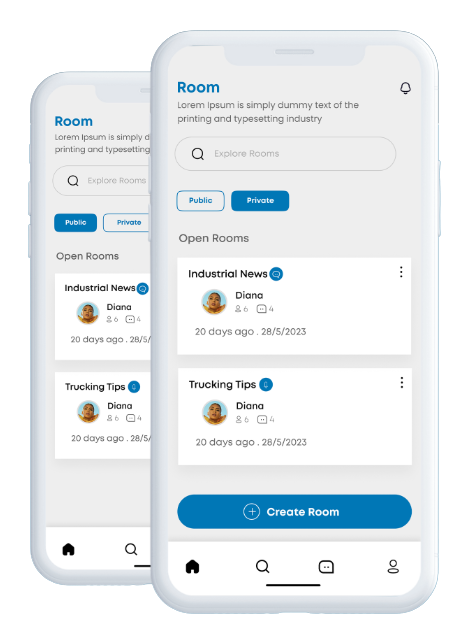
Start connecting with other truckers right now. TruckerCircle is completely free and easy to use. All it takes is a few taps to join the only voice-first trucking community designed to keep drivers in touch across the miles.