
With the steady rise of urban development and infrastructure projects, construction zones have become a common sight on our roadways. While these areas are essential for progress, they also pose specific challenges and dangers for truckers navigating them. As large vehicles that often transport heavy loads, trucks require extra caution while maneuvering through these congested and often unpredictable environments. This article will provide valuable safety tips for trucking in construction zones, ensuring both the drivers and workers stay safe.
The Importance of Safety Awareness
As a truck driver, your vehicle may weigh upwards of 80,000 pounds when fully loaded. This significant mass creates unique challenges in construction zones, where road conditions can change dramatically. Uneven surfaces, lane closures, and shifting traffic patterns can all contribute to hazardous driving conditions. According to the National Highway Traffic Safety Administration (NHTSA), over 20% of all work zone fatalities involve large trucks, underscoring the need for enhanced safety awareness.
Understanding Construction Zone Signage
In construction zones, signage plays a crucial role in ensuring the safety of both drivers and workers. Familiarizing yourself with these signals can aid in navigating effectively. Some common signs you might encounter include:
- Flagger Ahead: Be prepared to stop or slow down for workers directing traffic.
- Lane Closed: Be vigilant about merging lanes and watch for vehicles coming from behind.
- Reduced Speed Limit: Adhere to the posted speed limits to avoid accidents or fines.
Always be prepared for the unexpected and stay alert to flaggers or temporary signs that may not conform to standard regulations.
Strategies for Safe Driving
Reduce Speed
One of the most critical steps a truck driver can take when entering a construction zone is to slow down. Reduced speed limits are often enforced to enhance safety. Driving at a lower speed not only ensures greater control of the vehicle but also allows more time to react to sudden changes in traffic patterns or road conditions.
Maintain Increased Following Distance
Due to the size of trucks, maintaining an increased following distance is paramount. In construction zones, traffic is often stop-and-go. Allowing extra space will provide you with a greater buffer to react effectively in case of sudden halts or lane changes.
Use Turn Signals Early
When changing lanes, it’s crucial to signal your intentions early. In construction zones, visibility can be limited, and road conditions may not be predictable. Use your turn signals well in advance to alert others of your intentions. This practice can prevent collisions and keeps everyone on the road safe.
Be Mindful of Pedestrians
Construction zones often have workers on-site, and many times, these areas are not completely isolated from vehicular traffic. Always stay vigilant for pedestrians, including construction workers, who may be crossing or working close to the road. Keep an eye out for:
- Workers wearing high-visibility gear
- Pedestrian walkways or paths
- Indications of active work zones
Adapting to Construction Zone Changes
Construction zones can change rapidly, with detours and new lanes being implemented overnight. It’s important to remain adaptable and informed. Here are a few strategies to stay ahead:
- GPS and Apps: Use updated GPS systems or apps specifically designed for truckers that provide real-time alerts about construction zones.
- Know Your Route: Familiarize yourself with alternate routes and any potential backup areas ahead of entering a construction zone.
- Traffic Alerts: Stay updated with local news or traffic websites for the latest information on road conditions.
Communication is Key
Effective communication can prevent accidents in construction zones. If you’re part of a trucking team, ensure consistent communication with your fellow drivers regarding obstacles or changes in the road conditions.
Additionally, maintaining open lines of communication with dispatch can also be beneficial. This allows for quicker adjustments to delivery schedules or routes if conditions become unsafe.
Invest in Safety Equipment
Truckers should consider investing in safety equipment that enhances visibility and protection while driving through construction zones. Some recommended gear includes:
- Reflective Vests: In situations where stopping or exiting the vehicle is necessary, reflective gear can help ensure that you are visible to other drivers.
- Proper Lighting: Ensure your rig’s lighting is functioning optimally. Bright headlights and signal lights can help other drivers spot you in lower visibility situations.
- Dash Camera: Consider outfitting your truck with a dash camera. In the event of an accident, having video evidence can aid in legal matters.
Conclusion
Trucking through construction zones requires diligence, awareness, and a commitment to safety. With the right practices, truck drivers can navigate these areas effectively, maintaining the safety of themselves, their cargo, and construction workers alike. By remaining vigilant and adaptable, the “concrete jungle” can become less daunting, ensuring smooth travels and successful operations on the road.
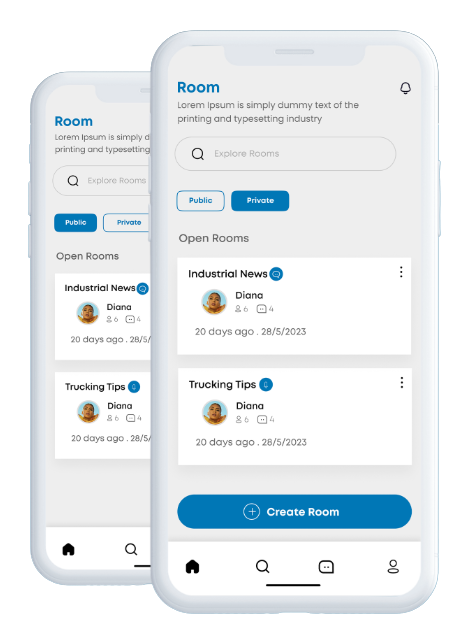
Download the App

Start connecting with other truckers right now. TruckerCircle is completely free and easy to use. All it takes is a few taps to join the only voice-first trucking community designed to keep drivers in touch across the miles.