
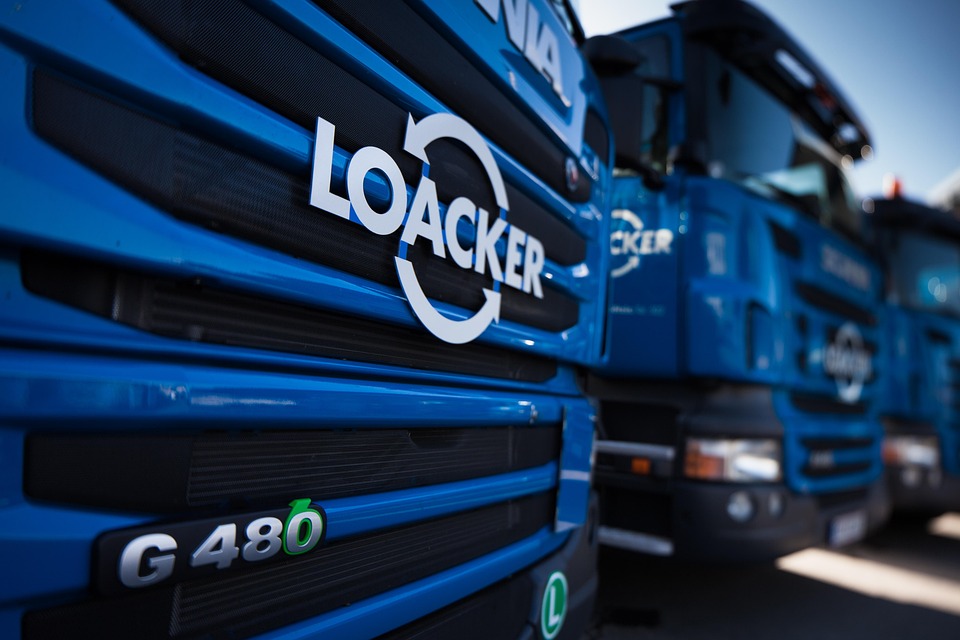
The trucking industry, often dubbed the backbone of the economy, is undergoing a seismic shift fueled by technological innovations. As e-commerce continues to surge and supply chains evolve, trucking companies are seeking greater efficiency, safety, and sustainability in their operations. From advanced logistics software to electric vehicles, technology is revolutionizing how goods are transported, redefining the trucking landscape for the better.
The Rise of Smart Logistics
Traditionally, logistics management was often a manual process, prone to delays and miscommunication. However, cutting-edge logistics software is now making it easier for trucking companies to streamline their operations. Tools like transportation management systems (TMS) harness big data analytics to optimize routes, predict delivery times, and efficiently allocate resources.
The adoption of TMS can lead to significant cost reductions. According to a study by Gartner, organizations that use TMS can save up to 12% on shipping costs. Real-time tracking allows fleet managers to monitor their trucks and drivers, adjusting routes based on traffic conditions or unforeseen circumstances. This level of agility enhances customer satisfaction by ensuring timely deliveries.
The Role of Artificial Intelligence
Artificial Intelligence (AI) has begun to play a transformative role in the trucking industry. Predictive analytics powered by AI can forecast equipment failures before they occur, allowing for proactive maintenance that minimizes downtime. Companies like Fleet Management are already harnessing this technology to implement predictive maintenance schedules, thereby increasing the lifespan of their vehicles and ensuring safety on the roads.
Additionally, AI is being utilized in driver assistance systems. Features such as adaptive cruise control, lane-keeping assist, and automatic braking provide drivers with crucial support, enhancing safety. A recent report from the American Transportation Research Institute states that collision rates could be reduced by as much as 50% with the widespread adoption of advanced driver-assistance systems (ADAS).
Automation and the Future of Driving
Perhaps the most discussed innovation in trucking is the advent of autonomous vehicles. Companies like Waymo and Tesla are actively developing self-driving trucks, aiming to change the face of freight transport. While fully autonomous trucks are still on the horizon, semi-autonomous features are already being integrated into modern vehicles.
The benefits are substantial. Studies suggest that autonomous trucks can operate 24/7 without the need for breaks, dramatically increasing productivity. While the transition to fully autonomous operations will require extensive infrastructure adjustments and regulation modifications, the potential for enhanced efficiency is undeniable.
Sustainability in Trucking
As climate change becomes an increasingly pressing concern, the trucking industry faces mounting pressure to reduce its carbon footprint. Electric trucks are becoming more viable, with companies like Nikola and Rivian leading the charge. Electric vehicles (EVs) offer reduced emissions, lower operating costs, and quieter operations—ideal for urban environments.
Additionally, hydrogen fuel cell technology presents another promising alternative. While still in its infancy, hydrogen trucks could offer a sustainable option for long-haul transportation. The U.S. Department of Energy projects that hydrogen fuel cell trucks could reduce greenhouse gas emissions by up to 45% by 2030.
Driver Safety and Training Innovations
While technology is making trucking operations more efficient, driver safety remains paramount. Training programs are evolving with the integration of virtual reality (VR) and augmented reality (AR) technologies. These innovations allow potential drivers to practice in simulated environments, gaining experience in handling difficult situations without the risks associated with real-world driving.
Such advancements significantly reduce accidents caused by inexperienced drivers. A report from the National Highway Traffic Safety Administration found that 94% of serious crashes are due to human error. By providing thorough training through immersive technologies, the industry can bolster safety for both drivers and the public.
The Impact of Regulatory Changes
The technology boom is not happening in a vacuum; regulatory frameworks are adapting to these innovations. The U.S. Department of Transportation is actively exploring how emerging technologies affect safety, efficiency, and environmental impact. Regulatory pressures are encouraging companies to innovate while ensuring that safety standards are maintained.
With policies potentially incentivizing the adoption of cleaner technologies, the trucking industry is poised for a transformation that aligns economic viability with environmental responsibility. Compliance with regulations surrounding emissions and safety measures may push more companies toward adopting advanced technologies, which can further enhance operational efficiency.
Conclusion: A Road Ahead Filled with Possibilities
The convergence of technology and trucking is ushering in an era of unprecedented efficiency and safety. From smart logistics platforms to automation and sustainable vehicle alternatives, innovations are reshaping the industry landscape. As companies continue to integrate these advancements, the vision of a more efficient, safer, and sustainable trucking sector comes closer to fruition.
The road ahead is filled with possibilities, and for the trucking industry, the journey has just begun. As new technologies emerge and regulations evolve, those who embrace innovation will likely lead the way in shaping the future of freight transportation.
Download the App

Start connecting with other truckers right now. TruckerCircle is completely free and easy to use. All it takes is a few taps to join the only voice-first trucking community designed to keep drivers in touch across the miles.


