
The trucking industry is undergoing a digital transformation, pushing for efficiency and competitiveness during an era defined by rapid changes in technology and consumer demand. From optimized routes to compliance tracking, trucking companies today have numerous tools at their disposal to enhance productivity and streamline operations. This article outlines essential tools that modern trucking businesses must consider to rev up efficiency and stay ahead of the curve.
1. Fleet Management Software
Possibly the backbone of any trucking business, fleet management software plays a pivotal role in optimizing logistics and operations. This software facilitates tracking of vehicle performance, maintenance schedules, and driver behavior. Notable options like Geotab and Fleetio offer comprehensive features that allow fleet managers to access real-time data on vehicle locations and performance metrics.
By leveraging such tools, companies can:
- Reduce fuel costs through optimized routes and performance monitoring.
- Enhance vehicle lifespan via timely maintenance alerts.
- Improve driver safety and performance through behavior tracking.
2. Electronic Logging Devices (ELDs)
Regulatory compliance is a non-negotiable aspect of trucking. ELDs are crucial in helping companies meet Hours of Service (HOS) regulations set by the Federal Motor Carrier Safety Administration (FMCSA). Devices like Fleet Complete and Omnicomm facilitate accurate tracking of driving time and resting periods, ensuring that drivers abide by legal limits while minimizing the risk of violations.
Moreover, ELDs can:
- Streamline compliance reporting.
- Improve driver accountability.
- Enhance safety with accurate logs and reduced pressure on drivers.
3. Route Optimization Tools
Route optimization is another key area that can substantially affect overall efficiency. Advanced tools like TruckMap and Route4Me harness Artificial Intelligence (AI) to evaluate traffic patterns, weather conditions, and road restrictions, suggesting the quickest and most fuel-efficient routes available.
Benefits include:
- Decreased fuel consumption by reducing mileage.
- Increased on-time deliveries, leading to enhanced customer satisfaction.
- Minimized driver fatigue by ensuring optimal schedules.
4. Maintenance Management Systems
Proactive maintenance is essential to avoid costly downtimes and repairs. Maintenance management systems, like Motive and Prometheus Group, allow fleets to schedule regular tune-ups and inspections, track records, and influence purchasing decisions based on maintenance data. This reduces emergency repairs and extends vehicle service life.
Benefits include:
- Lower overall maintenance costs through preventative care.
- Increased productivity as vehicles remain on the road longer.
- Real-time tracking of fleet health.
5. Driver Communication Apps
Driver safety and satisfaction are paramount in today’s fast-paced trucking industry. Communication apps like Trucker Path and Locus facilitate seamless communication between drivers and fleet managers. These platforms enable sharing of vital information such as load details, change notifications, and emergency updates.
Key advantages include:
- Improved coordination with dispatchers.
- Timeliness in resolving issues or emergencies on the road.
- Reduced stress for drivers knowing they have support when needed.
6. Financial Management Tools
Effective financial management is crucial for any business. Tools like QuickBooks and MileIQ enable trucking companies to monitor expenses, invoicing, and fuel tax calculations accurately and efficiently. These platforms help in providing insights into financial health and profitability, paving the way for informed decision-making.
Organizations benefit from:
- Streamlined payment and invoicing processes.
- Tracking of vehicle expenses in real-time.
- Better financial forecasting based on analytics provided by the tools.
7. Training and Safety Management Tools
Last but not least, investing in training software is essential to improve driver skills and enhance safety culture. Platforms like Safety DNA and My eLearning World offer virtual training courses focusing on road safety, compliance, and driving best practices.
This ensures:
- Continuous professional development for drivers.
- Reduction in accident rates and insurance costs.
- A more knowledgeable workforce accustomed to best industry practices.
Conclusion
In a highly competitive environment, trucking companies must leverage modern tools to improve efficiency, ensure compliance, and enhance profitability. The tools discussed in this article offer an array of benefits that can help businesses scale and excel while navigating the challenges of today’s logistics landscape. Embracing technology not only fosters operational excellence; it positions transportation businesses as leaders in the industry. The road to efficiency may not be without its bumps, but the right tools can help smooth the journey.
Download the App
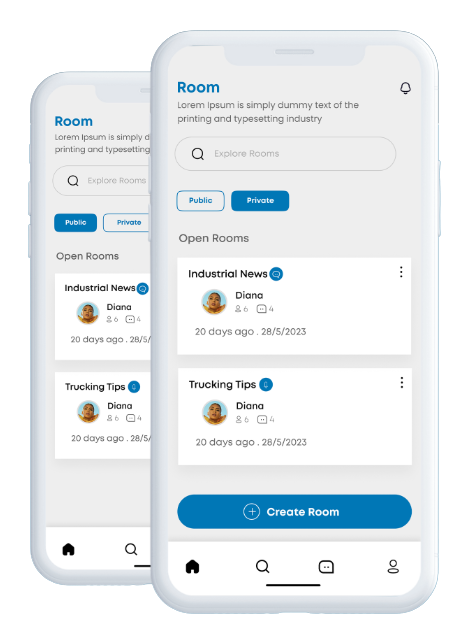
Start connecting with other truckers right now. TruckerCircle is completely free and easy to use. All it takes is a few taps to join the only voice-first trucking community designed to keep drivers in touch across the miles.