
The trucking industry has always been a backbone of the economy, responsible for moving approximately 70% of all freight in the United States alone. However, it faces unprecedented challenges ranging from rising fuel costs to a shortage of skilled drivers. To combat these obstacles, industry players are turning to digital tools and technologies that enhance efficiency, improve safety, and streamline operations. This article delves into how these innovations are not only transforming the trucking landscape but also setting a new standard for the future of logistics.
The Rise of Fleet Management Software
Fleet management software has become a game-changer for trucking companies. These platforms enable operators to monitor their vehicles in real-time, track fuel consumption, and manage driver behavior—all critical factors in improving efficiency. According to a study by FleetOwner, fleets that utilize management software can reduce costs by up to 10% through better route planning and fuel efficiency.
One notable example is the use of predictive maintenance tools, which analyze vehicle data to predict when parts are likely to fail. By addressing potential issues before they become serious, companies can avoid unexpected breakdowns, reducing downtime and repair costs. The predictive analytics contribute significantly to efficiency; as the saying goes, “An ounce of prevention is worth a pound of cure.”
The Impact of Telematics
Telematics systems have gained traction in the trucking sector, offering valuable data on vehicle location, speed, and driver behavior. These advanced tools enable fleet operators to track performance patterns and identify inefficiencies. For example, insights gathered from telematics can lead to better fuel management, as drivers can be coached to adopt more fuel-efficient driving habits.
In a survey conducted by Heavy Duty Trucking, companies using telematics reported a reduction in fuel costs by an impressive average of 15%. The technology also aids in route optimization, allowing for smarter navigation that factors in traffic conditions and weather, ultimately ensuring deliveries are made on time.
Mobile Applications for Drivers
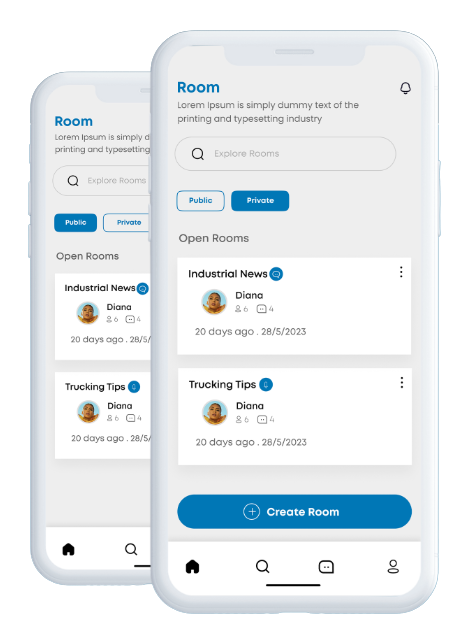
On the ground, mobile applications are making significant strides in enhancing the driver’s experience. Features like electronic logging devices (ELDs), route navigation, and communication platforms have become essential for modern trucking operations. This not only simplifies paperwork but also ensures that drivers adhere to regulations, promoting safer driving practices.
Moreover, many applications include functionalities to help drivers find nearby rest stops, refueling stations, and repair shops, making long-haul journeys less stressful. Insights derived from these apps can be invaluable to fleet operators. According to a report by American Trucking Associations, digitizing driver logs can save up to 15 hours of administrative time per week.
How AI and Machine Learning are Shaping the Future
Artificial Intelligence (AI) and Machine Learning (ML) are becoming integral to trucking logistics. These technologies can analyze vast amounts of data to forecast demand, optimize routes, and even make autonomous driving a more viable option. For instance, AI algorithms analyze traffic patterns and weather conditions to suggest the best routes, improving delivery times and reducing fuel consumption.
Additionally, companies like Waymo and Uber Freight are pioneering autonomous driving technology, which promises to alleviate the driver shortage by enabling trucks to operate with minimal human intervention. While regulatory hurdles remain, the potential for cost savings and efficiency gains is enormous.
Blockchain and Supply Chain Transparency
Another digital tool making waves in the trucking industry is blockchain technology. This decentralized database offers unparalleled transparency and security in the supply chain, allowing all parties to access identical data in real-time. Blockchain applications can streamline billing processes, reduce fraud, and improve tracking of goods throughout their journey.
For example, IBM has developed blockchain solutions tailored for logistics that facilitate end-to-end visibility. In the long run, this could significantly reduce costs related to loss, damage, and disputes over shipments, generating substantial savings for the industry.
The Road Ahead
As trucking companies continue to adopt these digital tools, the landscape is set for a fundamental shift toward greater efficiency and innovation. According to a report by Statista, global logistics spending is projected to exceed $12 trillion by 2027, underlining the urgency for companies to leverage technology to stay competitive.
The transition, however, isn’t without its challenges. Training programs are necessary to ensure that the workforce is equipped to handle these new technologies. Additionally, investment in cybersecurity measures must be prioritized, as reliance on digital platforms can expose companies to data threats.
Conclusion
The integration of digital tools in the trucking industry is not merely a trend; it represents a complete transformation towards a more efficient, safer, and cost-effective landscape. With the advent of fleet management software, telematics, mobile applications, AI, and blockchain technology, this sector is on a path to revolutionize operations that will ripple across the entire economy. As the trucking industry continues to innovate and adapt, the road ahead is not just about moving goods—it’s about moving smarter.
Download the App

Start connecting with other truckers right now. TruckerCircle is completely free and easy to use. All it takes is a few taps to join the only voice-first trucking community designed to keep drivers in touch across the miles.