
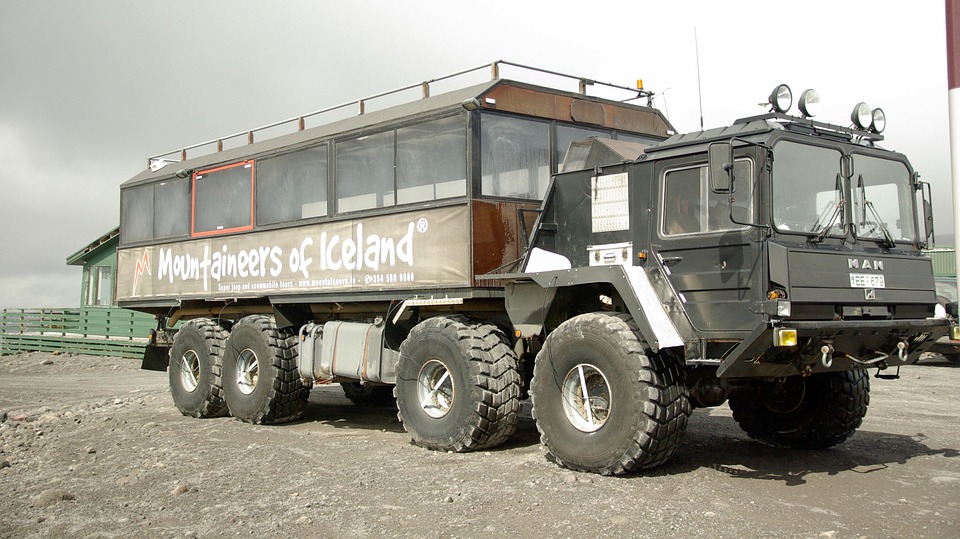
The Road Ahead: A Historical Perspective
The trucking industry has always been a backbone of the economy, responsible for transporting 70% of all freight in the United States. However, the last few decades have seen a whirlwind of technological advancements that are reshaping how trucking operates. From Global Positioning Systems (GPS) to automated driving systems, the landscape is changing at a breakneck pace.
Traditionally, trucking relied heavily on basic navigational skills, paper logs, and human intuition for sorting and planning routes. The advent of digital technology has not only improved logistics but has also significantly enhanced safety standards and operational efficiency.
Telematics: The Pulse of Modern Trucking
Telematics has brought about a seismic shift in how truck drivers and fleet managers interact with their vehicles. By combining telecommunications and monitoring systems, telematics allows companies to track vehicle location, monitor fuel consumption, and assess driver behavior in real-time.
This wealth of data leads to actionable insights. Fleet managers can analyze patterns in fuel efficiency, identify problematic routes, and improve driver performance through targeted training programs. According to a report from the American Transportation Research Institute, trucking companies that implement telematics systems could reduce fuel costs by up to 15%.
Automated Driving: The Future is Now
The burgeoning field of autonomous vehicles promises to revolutionize the trucking industry. Major companies like Waymo and Tesla are at the forefront of research and development in this area. While fully autonomous trucks are not yet ready for widespread adoption, semi-automated features like lane-keeping assistance and adaptive cruise control are already making their way into modern trucks.
Experts argue that the rise of autonomous trucking could address several pressing issues, including the national driver shortage. The American Trucking Associations reported a shortage of over 80,000 drivers in 2021, and automation could help fill this gap. Moreover, by reducing the human factor, autonomous trucks may lead to fewer accidents and lower insurance costs.
Software Solutions: Optimizing Operations
Trucking companies are increasingly turning to software solutions for improved operational efficiency. Route optimization software, for example, utilizes algorithms to find the most efficient paths, taking into account factors like traffic, weather, and delivery times.
Additionally, cloud-based transportation management systems (TMS) enhance communication between shippers, carriers, and even customers. This interconnectedness allows for seamless planning and coordination, ultimately leading to faster and more reliable service. Research shows that companies leveraging TMS can achieve a productivity boost of around 10-30%.
Sustainability: The Green Revolution
As the world becomes more conscious of climate change, the trucking industry is also pivoting toward sustainable practices. Technologies such as electric trucks and alternative fuels, including hydrogen and biodiesel, are gaining traction. Companies like Tesla are already testing electric semis, which promise to reduce greenhouse gas emissions significantly.
In addition to alternative fuel sources, sustainable logistics practices—like route optimization and load planning—are driving efficiency. Evidence suggests that optimizing routes could decrease fuel consumption by up to 30%, which leads to cost savings and reduced environmental impact.
The Human Element: Training and Adaptation
With all these technological advancements, the human element remains paramount. Fleet managers and truck drivers must adapt to new systems and tools, requiring continuous training and skill development. While technology can automate many aspects of driving and logistics, the judgment and experience of skilled drivers cannot be replaced.
Companies are investing in training programs that incorporate new technologies, ensuring that their staff is well-prepared for this evolving landscape. These efforts can not only improve safety and efficiency but also enhance job satisfaction, leading to higher retention rates in an industry facing major talent shortages.
Challenges Ahead: Navigating the Transition
Despite the considerable benefits that technology brings to the trucking industry, challenges abound. The transition to automated and electric vehicles, for instance, requires substantial investment. Many smaller trucking companies may struggle to keep pace, risking increased consolidation in the market.
Additionally, regulatory hurdles and safety concerns surrounding autonomous trucks must be carefully addressed. The need for a robust legal framework and comprehensive safety studies is essential to pave the way for the responsible deployment of these technologies.
Conclusion: Embracing Innovation for a Smarter Future
As the trucking industry races toward a technology-driven future, it is imperative to embrace innovation while addressing the accompanying challenges. From telematics and automation to sustainability and training, the possibilities are endless. In a world where logistics play a critical role in our daily lives, the trucking industry stands at a crossroads—one where the decisions made today will shape the landscape for generations to come.
Ultimately, the integration of technology into trucking not only offers opportunities for growth and efficiency but also highlights the need for a committed and skilled workforce ready to embrace change. As we continue to rev the engines of this vital sector, the road ahead looks not only promising but also transformative.
Download the App

Start connecting with other truckers right now. TruckerCircle is completely free and easy to use. All it takes is a few taps to join the only voice-first trucking community designed to keep drivers in touch across the miles.


