
In an age where logistics reigns supreme, and the demand for swiftly delivered goods continues to soar, launching a trucking company can be both an exciting and lucrative venture. However, the road to success is fraught with challenges, ranging from regulatory hurdles to financial uncertainties. Whether you are a seasoned driver or a newcomer to the transportation sector, understanding the fundamentals of running a trucking company is vital. Here, we present essential tips to guide you through the complexities of starting your own trucking business.
Understand the Regulatory Landscape
The trucking industry is heavily regulated, and understanding these rules is crucial for compliance and success. Different jurisdictions impose various requirements, and ignoring them can lead to significant fines or even the suspension of your operating license. Key regulations include:
- DOT Regulations: The U.S. Department of Transportation (DOT) mandates several regulations for trucking companies, including the need for a USDOT number, adherence to safety standards, and maintaining accurate driver logs.
- FMCSA Compliance: The Federal Motor Carrier Safety Administration (FMCSA) oversees the trucking industry and has strict guidelines regarding vehicle maintenance, hours of service, and driver qualifications.
- State Regulations: Each state has its own rules regarding vehicle registration, weight limits, and permits. Make sure to familiarize yourself with the specific requirements of your operating region.
Define Your Business Model
Your business model will ultimately determine the structure and nature of your trucking company. Consider these essential questions:
- What type of trucking will you specialize in? Options include freight transport, long-haul trucking, regional deliveries, or niche markets such as refrigerated goods.
- Will you operate as an independent owner-operator or an employer with a fleet? Each option has its benefits and challenges, including the level of control you wish to maintain over operations.
- What are the primary revenue streams? These could range from contract hauling to spot market loads. Understanding market demands is crucial in making this determination.
Secure the Right Financing
Starting a trucking company requires a significant financial investment. Understanding your financial landscape is essential for sustainable growth. Consider these financing options:
- Bank Loans: Traditional banks may offer loans for purchasing vehicles and equipment. A solid business plan and credit history will be important.
- Leasing Options: Leasing a truck rather than purchasing outright can be a budget-friendly option, especially for new companies.
- Grants and Subsidies: Look into government grants or local programs providing financial assistance for new businesses.
- Investors: Seek out private investors interested in the logistics sector; a well-pitched business plan can attract funding.
Invest in Technology
In today’s digital age, technology plays a pivotal role in managing logistics efficiently. Invest in the following technologies to streamline your operations:
- Fleet Management Software: These tools provide real-time data on your vehicles’ locations, maintenance needs, and driver performance, allowing for better decision-making.
- Electronic Logging Devices (ELDs): Required by the FMCSA, ELDs help track driving time, ensuring compliance with hours-of-service regulations.
- Route Optimization Tools: These can save you time and fuel costs by providing the most efficient routes for deliveries.
Build a Strong Network
Success in trucking often hinges on the relationships you cultivate within the industry. Building a robust network can provide support, advice, and potential contracts. Networking can involve:
- Attending Industry Conferences: Events like the Expeditors Association of America and other logistics expos offer valuable learning opportunities and connections.
- Joining Trade Associations: Organizations such as the American Trucking Associations offer resources, training, and advocacy work for truckers.
- Building Relationships with Shippers: Establishing trust with shippers can lead to repeat contracts and better rates.
Prioritize Safety and Training
Safety should always be your top priority. Invest in comprehensive training for your drivers to reduce accidents and enhance efficiency. Consider:
- Ongoing Driver Education: Regularly updating training programs about safety protocols, vehicle maintenance, and legal regulations is vital.
- Safety Protocols: Create clear safety guidelines and have regular safety audits to ensure compliance.
- Insurance: Protect your business with liability insurance, cargo insurance, and coverage for your fleet.
Plan for Growth
The trucking industry is dynamic, with evolving market needs and economic conditions. To ensure your company’s long-term success, develop a strategic plan that outlines:
- Marketing Strategy: Position your brand within the market through effective marketing, whether through social media, a comprehensive website, or partnerships.
- Evaluation of Expansion Opportunities: Consider diversifying your services, such as offering logistics management or expanding to new regions.
- Continuous Improvement: Regularly assess your business operations and seek feedback from drivers and clients to make necessary adjustments.
Conclusion
Launching a trucking company can be an incredibly rewarding venture, but it requires careful planning and execution. By understanding the regulatory landscape, defining your business model, securing financing, investing in technology, building a strong network, and prioritizing safety, you can navigate the complexities of this rewarding industry. As you drive your business forward, remember that each mile traveled is a step toward not just financial success, but also establishing your reputation in the world of logistics.
Download the App

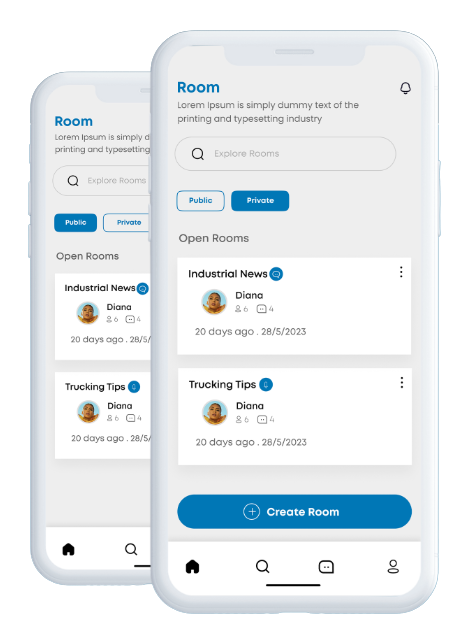
Start connecting with other truckers right now. TruckerCircle is completely free and easy to use. All it takes is a few taps to join the only voice-first trucking community designed to keep drivers in touch across the miles.