Close Menu
TruckersPoint
  • Equipment & Maintenance
  • The Driver Community
  • Regulations & Compliance
  • Freight Markets & Business
  • Technology & Innovation
  • Road Lifestyle
  • Safety & Road Conditions

Subscribe to Updates

Get The Latest News, Updates, And Amazing Offers

What's Hot
The Driver Community August 1, 2026

Between Highways and Heartbeats: True Stories from the Cab

Health & On-the-Road Lifestyle June 5, 2026

Drive Strong: Essential Health Tips for Long-Haul Truckers

Equipment & Maintenance August 27, 2026

The Ultimate Guide to Volvo Truck Preventive Maintenance

Important Pages:
  • Home
  • About Us
  • Contact us
  • Privacy Policy
  • Terms & Conditions
Facebook X (Twitter) Instagram Pinterest
TruckersPoint
  • Home
  • About Us
  • Contact us
  • Privacy Policy
  • Terms & Conditions
Facebook X (Twitter) Instagram Pinterest
Download
  • Equipment & Maintenance

    Essential Spare Parts for Every Truck Owner: A Complete Handbook

    October 5, 2026

    Preventative Maintenance: Key Practices for Optimal Truck Engine Performance

    October 4, 2026

    DIY Truck Maintenance: Must-Have Tools for Every Gearhead

    October 3, 2026

    The Hidden Costs of Truck Maintenance: Are You Prepared?

    October 2, 2026

    Maximize Your Truck’s Lifespan with This Comprehensive Maintenance Schedule

    October 1, 2026
  • Regulations & Compliance

    The Cost of Compliance: How Trucking Companies Can Avoid Fines

    October 5, 2026

    From Regulations to Road: How Compliance Management Transforms Trucking Operations

    October 4, 2026

    Truck Drivers on the Legal Frontline: A Comprehensive Guide

    October 3, 2026

    Are You Ready for a DOT Audit? Key Preparation Strategies Revealed!

    October 2, 2026

    The Impact of ELD Regulations on the Trucking Industry: A Comprehensive Overview

    October 1, 2026
  • The Driver Community

    Fueling Stories: The Hidden Narratives of Truck Stop Life

    October 5, 2026

    Trucking Talks: Top Strategies for Optimizing Our National Freight Network

    October 4, 2026

    Safety First: New Initiatives to Protect Our Driver Community

    October 3, 2026

    Road Warriors: Building a Support Network for Truck Drivers’ Mental Health

    October 2, 2026

    Hauling Hope: Heartwarming Trucker Stories That Inspire

    October 1, 2026
  • Freight Markets & Business

    The Pulse of Freight: Analyzing Shifting Demand Patterns Post-Pandemic

    October 5, 2026

    Fuel Your Bottom Line: Cost-Saving Tips Every Trucking Company Should Know

    October 4, 2026

    Fueling Growth: Effective Cash Flow Management Techniques for Trucking Firms

    October 3, 2026

    Cargo Cash Flow: How to Invest Wisely in the Trucking Sector

    October 2, 2026

    Cutting Costs on the Open Road: A Guide to Trucking Expense Control

    October 1, 2026
  • Technology & Innovation

    Driving Efficiency: The Benefits of Real-Time Fleet Tracking for Trucking Companies

    October 5, 2026

    Navigating the Road Ahead: The Impact of AI on Fleet Management Efficiency

    October 4, 2026

    From GPS to AI: How Tech Startups are Transforming the Trucking Industry

    October 3, 2026

    Driving Change: The Impact of Technology on Today’s Trucking Operations

    October 2, 2026

    From Chaos to Coordination: How Dispatch Software Transforms Trucking Operations

    October 1, 2026
  • Road Lifestyle

    The Backbone of Trucking: Ensuring Posture Health Behind the Wheel

    October 5, 2026

    Navigating Fatigue: The Importance of Structured Rest in Trucking

    October 4, 2026

    Greener Miles: How Trucking Can Reduce Fuel Consumption and Cut Costs

    October 3, 2026

    Truck Stop Gourmet: Discovering Nutritious Choices on the Highway

    October 2, 2026

    Navigating Nutrition: Smart Eating Choices for Truckers on the Go

    October 1, 2026
  • Safety & Road Conditions

    Navigating Hazards: How Effective Safety Training Saves Lives on the Road

    October 5, 2026

    Defensive Driving: The Key to Safer Hauls and Smarter Trucking

    October 4, 2026

    Stay Alert, Stay Alive: Essential Tips for Preventing Trucking Fatigue

    October 3, 2026

    Keeping It Under Control: The Importance of Adhering to Trucking Speed Limits

    October 2, 2026

    “Safe Distance Driving: How to Protect Yourself and Others on the Road”

    October 1, 2026
TruckersPoint
Home » Fueling Your Bottom Line: How to Control Fuel Costs in Trucking
Freight Markets & Business September 24, 2026

Fueling Your Bottom Line: How to Control Fuel Costs in Trucking

Facebook Twitter Pinterest WhatsApp Copy Link
Fueling Your Bottom Line: How to Control Fuel Costs in Trucking
Share
Facebook Twitter LinkedIn Pinterest WhatsApp Copy Link

The trucking industry is a backbone of the American economy, transporting goods across vast distances. However, one of the most persistent challenges faced by trucking companies is fuel costs, which can account for a significant portion of operational expenses. With fuel prices rising and falling unpredictably, understanding how to control these costs has become more crucial than ever. In this article, we’ll explore strategies and technologies that can help fleet operators effectively manage fuel expenses, ensuring that the bottom line remains healthy.


The Impact of Fuel Costs


According to the American Transportation Research Institute (ATRI), fuel costs represent approximately 24.5% of a typical trucking company’s total operating costs. In volatile markets, where fuel prices can spike due to geopolitical factors, natural disasters, or changes in supply and demand, managing fuel costs becomes a critical concern. A single cent increase in fuel prices can translate into thousands of dollars in additional expenses over the course of a year, underscoring the need for effective cost-control strategies.


1. Adopting Fuel-Efficient Vehicles


Investing in fuel-efficient trucks is an effective long-term strategy for reducing fuel costs. Modern diesel engines are designed to provide better fuel economy while meeting increasingly stringent environmental regulations. Companies should consider:


  • Hybrid Vehicles: These vehicles combine traditional internal combustion engines with electric propulsion, enhancing fuel efficiency and reducing emissions.

  • Evaluating Aerodynamics: Vehicles with improved aerodynamic designs can cut fuel consumption significantly. Many manufacturers are now focusing on producing trucks with lower drag coefficients.

  • Regular Maintenance: Ensuring that engines are well-maintained can prevent fuel wastage. Simple practices, such as regularly changing oil and air filters, can lead to noticeable fuel savings.


2. Implementing Fuel Management Systems


Fuel management systems (FMS) offer a technological approach to monitoring and managing fuel usage. These systems provide insights into fuel consumption patterns through telematics, which can help trucking companies make informed decisions. Key benefits include:

Also Read:  Navigating the Road to Financial Freedom: Tips for Trucking Entrepreneurs


  • Tracking Consumption: FMS can track fuel usage in real-time, allowing fleet managers to identify inefficiencies.

  • Driver Behavior Analysis: By assessing driving patterns, companies can promote fuel-efficient driving behaviors among their fleet, such as maintaining steady speeds and avoiding idling.

  • Predictive Analytics: Advanced systems can predict fuel costs based on market trends, assisting in budget forecasting and operational planning.


3. Training Drivers on Fuel-Efficient Practices


Investing in driver education can yield significant returns in terms of fuel savings. Training programs can equip drivers with skills and strategies that contribute to lower fuel consumption. Consider the following:


  • Eco-Driving Techniques: Encouraging practices such as smooth acceleration and braking, maintaining consistent speeds, and utilizing cruise control can lead to substantial fuel savings.

  • Reducing Idling: Teaching drivers to minimize idling time can also translate into fuel savings. Each hour a truck idles can waste a gallon of fuel.

  • Route Optimization: Training drivers to select the most fuel-efficient routes can reduce mileage and, consequently, fuel consumption.


4. Fuel Buying Strategies


Strategically purchasing fuel can lead to significant savings. Companies can implement the following strategies to optimize fuel buying:


  • Bulk Buying: Purchasing fuel in bulk can lead to cost reductions. Companies may be able to negotiate lower prices by committing to buy fuel in larger quantities.

  • Fuel Contracts: Establishing contracts with fuel suppliers can help lock in prices and protect against sudden price spikes.

  • Using Loyalty Programs: Many fuel chains offer loyalty programs that provide discounts and rewards. Engaging with these programs can lead to additional savings.


5. Utilizing Route Planning Software


Investing in advanced route planning software can significantly optimize logistics. These tools use algorithms to analyze traffic patterns, road conditions, and other factors to determine the most efficient routes. Benefits include:

Also Read:  Navigating the Numbers: Effective Strategies for Trucking Cost Management


  • Time Savings: Efficient route planning can reduce driving time, allowing drivers to complete deliveries more quickly while reducing fuel consumption.

  • Minimized Delays: Software can predict and avoid traffic congestion, which can enhance fuel efficiency and increase delivery reliability.


6. Monitoring Fuel Prices


Keeping abreast of fuel price trends is crucial for effective budgeting and operational planning. Fleet managers should:


  • Use Fuel Price Websites: Relying on resources that track fuel prices can help managers make informed purchasing decisions.

  • Engage with Fuel Market Analysts: Understanding market trends and forecasts can provide insights that allow companies to time their purchases better.


Conclusion


Controlling fuel costs is vital for trucking companies looking to thrive in a competitive marketplace. By adopting fuel-efficient vehicles, implementing effective management systems, providing driver training, utilizing strategic purchasing, and leveraging technology for route planning, fleet operators can make significant strides in reducing fuel expenses. In an industry where margins are often tight, every cent saved on fuel can contribute to the sustainability and profitability of a business.


As the trucking landscape continues to evolve, companies that proactively embrace these strategies will not only enhance their operational efficiency but also contribute to a more sustainable future for the transportation sector.


Download the App

Fueling Your Bottom Line: How to Control Fuel Costs in Trucking

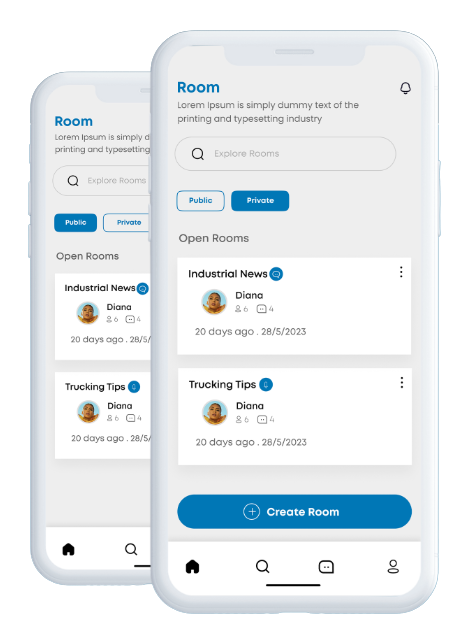
Start connecting with other truckers right now. TruckerCircle is completely free and easy to use. All it takes is a few taps to join the only voice-first trucking community designed to keep drivers in touch across the miles.


trucking cost management
Share. Facebook Twitter Pinterest WhatsApp Copy Link

Related Posts

Freight Markets & Business

The Pulse of Freight: Analyzing Shifting Demand Patterns Post-Pandemic

Freight Markets & Business

Fuel Your Bottom Line: Cost-Saving Tips Every Trucking Company Should Know

Freight Markets & Business

Fueling Growth: Effective Cash Flow Management Techniques for Trucking Firms

Freight Markets & Business

Cargo Cash Flow: How to Invest Wisely in the Trucking Sector

Leave A Reply Cancel Reply

Follow Us
  • Facebook
  • Twitter
  • Pinterest
  • Instagram
Don't Miss
The Driver Community

On-the-Road Conversations: Why Every Trucker Should Join a Community Forum

On-the-Road Conversations: Why Every Trucker Should Join a Community ForumFor many truck drivers, life on…

Sitting Smart: Essential Posture Tips for Long-Haul Truck Drivers

July 2, 2026

Navigating the Road: A Comprehensive Guide to Trucking Contracts

June 23, 2026

Trucking Safety Compliance: Why It’s More Than Just a Legal Requirement

August 19, 2026

Drive and Thrive: Nutrition Strategies for Truckers Seeking Better Health

September 20, 2026

Subscribe to Updates

Get The Latest News, Updates, And Amazing Offers

Top Posts

Staying Ahead of the Curve: The Impact of Real-Time Alerts on Trucking Efficiency

Safety & Road Conditions August 26, 2026

The Ripple Effect: Understanding the Impact of Fuel Prices on Freight Costs

Freight Markets & Business September 14, 2026

Smart Trucks: The Impact of IoT on Fleet Management Efficiency

Technology & Innovation August 8, 2026

DIY Truck Servicing: Essential Tips for the Handy Owner

Equipment & Maintenance September 15, 2026
About
About

Welcome to TruckersPoint, your trusted hub for professional truck drivers, owner-operators, and everyone connected to the world of long-haul trucking. Our mission is to deliver practical knowledge, real-world insights, and up-to-date industry information that helps you stay safe, efficient, and profitable on the road.

Facebook X (Twitter) Instagram Pinterest
Categories
  • Equipment & Maintenance (124)
  • Freight Markets & Business (123)
  • Health & On-the-Road Lifestyle (123)
  • Regulations & Compliance (123)
  • Safety & Road Conditions (123)
  • Technology & Innovation (125)
  • The Driver Community (125)
Our Picks

Life on the Open Road: Tales from the Long-Haul Driver

The Driver Community

Truck Your Way to a Stronger Immune System: Strategies for Long Haul Drivers

Health & On-the-Road Lifestyle

Trucking Toward Wellness: Prioritizing Health on the Open Road

Health & On-the-Road Lifestyle
© 2026 TruckersPoint.
  • Home
  • About Us
  • Contact us
  • Privacy Policy
  • Terms & Conditions

Type above and press Enter to search. Press Esc to cancel.

We are using cookies to give you the best experience on our website.

You can find out more about which cookies we are using or switch them off in .

Powered by  GDPR Cookie Compliance
Privacy Overview

This website uses cookies so that we can provide you with the best user experience possible. Cookie information is stored in your browser and performs functions such as recognising you when you return to our website and helping our team to understand which sections of the website you find most interesting and useful.

Strictly Necessary Cookies

Strictly Necessary Cookie should be enabled at all times so that we can save your preferences for cookie settings.