
For many truck drivers, long hours behind the wheel can take a toll not only on their physical health but also on their overall well-being. With limited options at roadside stops, fast food often becomes the default. However, with some planning and awareness, truckers can make healthier choices that keep them energized and fit for the long haul. Here are essential nutrition tips for truckers to maintain a balanced diet while on the road.
Understand the Challenges
Truck driving is primarily a sedentary job. According to a study published in the American Journal of Industrial Medicine, long-haul truckers are at a higher risk for metabolic disorders, obesity, and cardiovascular diseases. These risks are compounded by irregular schedules, difficulty accessing healthy foods, and the sheer temptation of convenient but unhealthy options.
Plan Ahead
One of the most effective strategies for maintaining healthy eating habits on the road is meal planning. Preparing meals in advance not only saves time but also ensures that you have nutritious options readily available. Consider these tips:
- Invest in a Cooler: A portable cooler can keep perishable foods fresh. Pack items like fruits, vegetables, lean proteins, and low-fat dairy.
- Meal Prepping: Cook meals in bulk at home and portion them into containers. Foods like grilled chicken, quinoa, and steamed vegetables travel well.
- Healthy Snacks: Stock healthy snacks like nuts, trail mix, protein bars, or yogurt to avoid fast food temptations during breaks.
Balanced Meals on the Road
When it comes to eating on the road, balance is key. Aim for a mix of carbohydrates, proteins, and healthy fats in every meal. Here’s how to build a balanced meal:
- Carbohydrates: Whole grains such as brown rice, oatmeal, and whole wheat bread provide sustained energy. They also aid in digestion due to their fiber content.
- Proteins: Incorporate lean proteins like chicken breast, turkey, beans, or tofu for muscle repair and satisfaction.
- Healthy Fats: Foods like avocados, olive oil, and nuts are important for brain health and can help keep you full longer.
Be Mindful of Hydration
Staying hydrated is critical, especially for drivers who may forget to drink water during long hours of driving. Aim for at least 8-10 cups of water a day. Here are some practical tips:
- Keep Water Accessible: Always have a water bottle within reach. This will remind you to sip frequently.
- Infuse for Flavor: If plain water feels boring, consider infusing it with fruits like lemon, lime, or berries for a refreshing twist.
- Avoid Sugary Drinks: Soft drinks and energy drinks can lead to energy crashes. Opt for water, herbal teas, or black coffee instead.
Smart Eating Choices at Road Stops
Even with the best-laid plans, there will be times when truckers need to eat at roadside diners or fast food restaurants. Here’s how to make intelligent choices:
- Look for Grilled, Not Fried: Choose grilled items over fried ones. For instance, opt for a grilled chicken sandwich instead of fried chicken.
- Skip the Sugary Snacks: Instead of doughnuts or pastries, opt for fruit or yogurt as a quick fix.
- Watch Portion Sizes: Many restaurant portions are oversized. Choose smaller sizes or share meals to control portions easily.
Establish a Routine
Incorporating healthy eating habits will be easier if you develop a routine. Set specific times for eating and snacking, even on the road. This can lead to better digestion and energy management:
- Pre-Plan Meal Times: Try to eat at regular intervals instead of letting hunger dictate when you consume food.
- Mindful Eating: When possible, take breaks to focus on your meals without distractions. This can help you enjoy your food and notice when you’re full.
Monitor Your Health
Regular health check-ups and monitoring can help catch any issues early. Pay attention to symptoms like fatigue, changes in weight, or difficulty concentrating—these can all be signs of poor nutrition:
- Regular Check-Ups: Schedule annual check-ups with a healthcare provider to monitor blood pressure, cholesterol, and overall health.
- Keep a Food Journal: Tracking what you eat can help you identify patterns in your diet and find areas for improvement.
Conclusion
While truck driving presents unique dietary challenges, adopting healthy eating habits is achievable with planning and awareness. Truckers can make choices that fuel not just their bodies but also their minds. As the saying goes, “You are what you eat”—and for truckers, maintaining a healthy diet on the road can pave the way for a longer, healthier career.
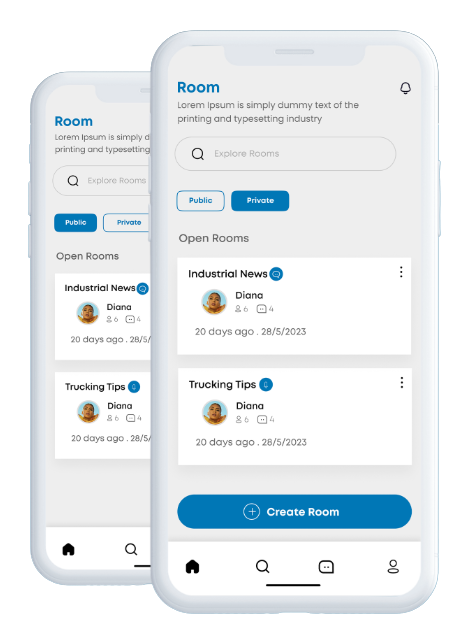
Download the App

Start connecting with other truckers right now. TruckerCircle is completely free and easy to use. All it takes is a few taps to join the only voice-first trucking community designed to keep drivers in touch across the miles.