In the rapidly evolving world of logistics, two technologies stand out as game-changers: Artificial Intelligence (AI) and the Internet of Things (IoT). Together, they form the backbone of smart logistics systems, which are optimizing operations, enhancing efficiency, and revolutionizing supply chains globally. As industries seek innovative solutions to streamline their logistics, understanding how AI and IoT interconnect is essential for looking into the future.
The Shift towards Smart Logistics
Logistics has traditionally been characterized by its intricate and often cumbersome nature, involving the orchestration of complex supply chains, inventory management, and transportation protocols. However, with increasing consumer demand and the need for real-time data, organizations are moving towards smart logistics systems that leverage AI and IoT technologies.
Industry experts predict that the global logistics market will be worth over $12 trillion by 2027, making it imperative for companies to adopt smart logistics practices to remain competitive. A key element of this evolution is the shift from reactive to proactive strategies, where real-time data analytics guide every decision.
Understanding AI and IoT
Before delving into their applications, it’s crucial to differentiate between AI and IoT:
- Artificial Intelligence (AI): Refers to machines’ ability to mimic human-like intelligence, enabling them to learn, reason, and adapt based on data input. This includes functionalities such as predictive analytics, natural language processing, and machine learning.
- Internet of Things (IoT): Comprises a network of interconnected devices that communicate and exchange data over the internet. In logistics, IoT devices such as sensors, GPS trackers, and RFID tags provide real-time data about inventory levels, location, and conditions of goods.
When combined, AI can analyze the data generated by IoT devices, fostering smarter decision-making and enabling logistics companies to optimize their operations.
Applications of AI and IoT in Logistics
Organizations across various sectors are increasingly adopting smart logistics systems driven by AI and IoT. Here are several innovative applications:
1. Real-Time Tracking and Monitoring
IoT devices, such as GPS trackers and RFID sensors equipped on delivery trucks and packages, allow businesses to track the real-time location and condition of goods. AI algorithms can analyze this data, predicting delivery times and potential disruptions along the route. This capability enhances transparency for customers and improves a company’s operational efficiency.
2. Predictive Analytics
By analyzing historical data collected from various sources, AI can identify trends, forecast future demand, and optimize inventory levels. This predictive analytics capability can significantly reduce stockouts and overstock situations, therefore minimizing costs. Companies like Amazon use these techniques to anticipate customer needs and adjust their logistics strategies accordingly.
3. Autonomous Delivery Solutions
Self-driving vehicles and drones represent the frontier of logistics, reducing the need for human drivers and enhancing delivery efficiency. Companies such as Waymo and Amazon Prime Air are exploring the potential of these autonomous systems. AI plays a vital role in navigating these vehicles through urban landscapes safely and efficiently.
4. Enhanced Supply Chain Coordination
The integration of AI and IoT allows for better collaboration among various supply chain stakeholders. For example, AI can synthesize data from suppliers, manufacturers, and distributors to streamline processes. This synchronization ensures that every party is aligned, reducing delays and improving overall effectiveness.
5. Predictive Maintenance
IoT sensors installed in delivery trucks can provide data on vehicle performance and condition. AI algorithms analyze this data to predict maintenance needs, helping logistics companies avoid unexpected breakdowns and costly downtime. This approach retains fleet performance and reduces operational costs over time.
Challenges and Considerations
Despite the myriad benefits of incorporating AI and IoT into logistics, several challenges remain:
- Data Security: The increased reliance on interconnected devices raises concerns over data security. Companies must invest in robust cybersecurity measures to protect sensitive information.
- Integration Costs: Transitioning to smart logistics systems can be expensive, requiring considerable investment in infrastructure and technology.
- Skill Gaps: The workforce must possess the skills to effectively utilize these emerging technologies, necessitating continuous training and adaptability.
The Path Forward
The ongoing digital transformation in logistics will undoubtedly lead to an increasingly automated and optimized environment. Companies willing to embrace these changes will stand out in a competitive marketplace. As technology continues to evolve, logistics’ future will be marked by smarter systems that are interconnected and responsive to the dynamics of real-time data.
AI and IoT are not just buzzwords but rather foundational elements that will shape the logistics landscape. Future trends suggest further integration of advanced technologies like blockchain and augmented reality with AI and IoT, creating even more sophisticated and resilient logistics systems. By harnessing the power of AI and IoT, businesses can ensure that they are not just part of the future but are also driving it, making logistics smarter, faster, and more efficient than ever before.
Download the App

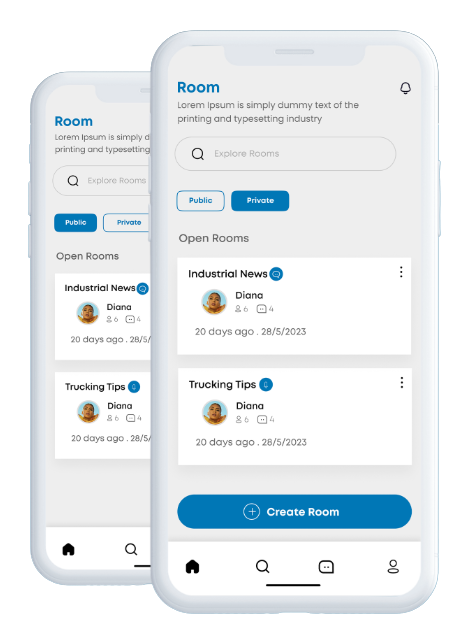
Start connecting with other truckers right now. TruckerCircle is completely free and easy to use. All it takes is a few taps to join the only voice-first trucking community designed to keep drivers in touch across the miles.