As the wheels of freight transport roll relentlessly across vast highways, the life of a trucker often seems isolated and demanding. Long hours, unpredictable schedules, and time spent away from family can lead to significant challenges in achieving a work-life balance. However, strategies exist to help drivers reclaim their time, boost their well-being, and enhance their connections beyond the cab.
The Paradox of Freedom
Truck driving is frequently portrayed as a vocation marked by freedom—the open road, the ability to chart one’s own course, and the independence that comes from working alone. However, this “freedom” often comes with a paradox; the same job that allows for mobility can keep truckers tethered to their cab for extended periods, away from family and personal commitments. The average truck driver spends more than 240 days a year on the road, contributing to feelings of isolation and burnout.
Understanding Work-Life Balance
Work-life balance refers to the equilibrium between professional duties and personal life. For truckers, this balance can seem elusive. The American Trucking Association emphasizes that while truck drivers are vital to the nation’s economy, their mental and physical health must be prioritized. Striking a balance is essential—not only for personal happiness but also for safety on the road. Fatigue can impair judgment and reaction times, thus making achieving a balance critical for health and safety.
Strategies for Achieving Balance
1. Schedule Flexibility
One of the most effective ways to promote work-life balance is embracing flexible schedules. Technological advancements have integrated devices and apps that assist in tracking work hours, rest periods, and even suggest optimal routes to minimize time on the road. Finding a company that values flexibility allows truckers to better manage their time, enabling opportunities for family time and social engagements.
2. Prioritize Health and Well-being
Maintaining physical and mental health is critical for achieving work-life balance. Long hours of sitting can lead to health issues, but by incorporating simple exercises and healthy eating habits into their routine, truckers can mitigate these risks. Fitness programs tailored for drivers are emerging, focusing on strength training that can be performed alongside their trucks. Additionally, mindfulness practices, such as meditation or deep-breathing exercises, can offer mental relief during lengthy drives.
3. Utilize Technology
Modern technology affords drivers numerous tools to boost productivity and communication. Apps like Google Calendar or TaskRabbit can help manage personal commitments and work schedules, allowing truckers to efficiently allocate their time. Additionally, social media platforms provide spaces for connection, enabling truckers to maintain friendships and community ties even when miles away from home.
4. Set Boundaries
Establishing clear boundaries between work and personal time is essential. Truckers should communicate their availability to families and friends, fostering understanding and support. It’s also important to create a mental space for themselves—a time when they disconnect from work-related matters, ensuring they engage fully in personal life.
5. Develop Support Networks
Connecting with fellow truckers can create a reliable support network. Participating in trucking forums or attending industry events allows drivers to share experiences and strategies for handling the unique challenges of the job. These connections can alleviate feelings of loneliness that often accompany long hauls, creating a sense of community.
6. Plan Family Time
Quality family time is crucial for maintaining relationships. Truckers can plan their routes to incorporate visits with family during scheduled breaks. Informing family members of their schedules allows them to be more present during downtime, reinforcing family bonds.
Embracing the Journey
Achieving work-life balance as a trucker is not merely about dividing time between work and home; it’s also about cultivating a fulfilling life. Embracing the journey and recognizing the sacrifices involved can make a significant difference. While the road may be a trucker’s workplace, it doesn’t have to define their life.
A Cultural Shift
As awareness of the mental and physical challenges faced by truckers increases, initiatives for systemic change are gaining traction. Companies are beginning to recognize the importance of prioritizing driver health and well-being. By fostering a culture that promotes a healthy work-life balance, the trucking industry can retain skilled workers while enhancing public safety.
Conclusion
For truckers, navigating the path towards work-life balance requires intentionality, commitment, and support from both corporations and families. By implementing practical strategies, embracing technology, and fostering strong social ties, the weight of the job can become lighter, allowing drivers not just to transport goods, but also to live fulfilling personal lives. The road may stretch endlessly ahead, but with the right approach, truckers can ensure they pause to enjoy the journey.
Download the App

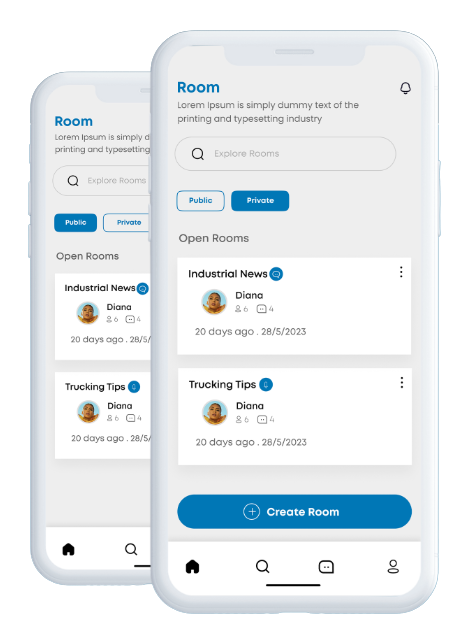
Start connecting with other truckers right now. TruckerCircle is completely free and easy to use. All it takes is a few taps to join the only voice-first trucking community designed to keep drivers in touch across the miles.