In a world where the ability to move goods quickly and efficiently is paramount, the trucking industry stands as a backbone of trade and commerce. With the rise of e-commerce and the ensuing demand for rapid delivery, it’s not merely about transporting items from point A to point B anymore; the focus has shifted toward optimizing the entire trucking system. That means embracing technology, integrating systems, and rethinking logistics strategies to create a more efficient industry.
The Current Landscape of Trucking
As of 2022, the trucking industry in the United States generated over $732 billion in revenue, according to the American Trucking Associations (ATA). Trucks move approximately 72.5% of all freight transported in the U.S. inland. However, the sector is grappling with numerous challenges, including labor shortages, rising fuel costs, and the increasing need for sustainability.
According to a report by McKinsey, inefficiencies in trucking can lead to an estimated 30% of driving time being spent with empty trucks, resulting in wasted resources and increased emissions. To combat this, industry leaders are turning towards integration technologies that can enhance visibility and efficiency across the entire supply chain.
Why Integration Matters
Integration in trucking is the seamless connection of various systems and technologies, enabling better communication and data exchange between drivers, carriers, shippers, and logistics providers. This interconnectedness allows for better decision-making and enhanced operational efficiency.
One of the primary components of a well-integrated system is real-time data sharing. Using technologies such as Internet of Things (IoT) devices, GPS tracking, and advanced routing algorithms, companies can gain insights into vehicle location, traffic conditions, and driver behavior. This plethora of information can help fleets optimize routes, reduce idle time, and ultimately save on fuel costs.
Innovative Technologies Driving Integration
To achieve effective integration, various technologies have come into play:
1. Telematics
Telematics systems provide a wealth of data on vehicle performance and driver behavior. By monitoring factors like speed, fuel consumption, and maintenance needs, companies can make informed decisions that optimize maintenance schedules and reduce downtime. Leading telematics providers such as Geotab and Fleet Complete are offering advanced analytics to further drive efficiency.
2. Artificial Intelligence & Machine Learning
AI and machine learning algorithms can analyze huge datasets to identify patterns and predict future outcomes. Companies can leverage these insights for predictive maintenance, risk assessment, and even automated decision-making, significantly enhancing operational efficiency.
3. Blockchain
Blockchain technology can ensure transparency and traceability in the supply chain. By securely recording every transaction and movement of goods, stakeholders gain real-time visibility into shipments, allowing for quicker resolutions to logistical challenges. Companies like IBM are piloting blockchain solutions that have shown promising results in enhancing trust across supply chains.
4. Autonomous Vehicles
While still in the experimental stage, autonomous trucking holds the potential to drastically transform the industry. The integration of self-driving technology can mitigate driver shortages and improve delivery reliability. Companies like Waymo and Tesla are actively working to bring these innovations to fruition.
Case Studies: Success Through Integration
Several companies have successfully embraced these technologies to enhance integration and efficiency:
1. J.B. Hunt Transport Services
J.B. Hunt has implemented a robust telematics system that allows for real-time tracking and optimization of its fleet. By providing data-driven insights to its drivers, the company has improved fuel efficiency and reduced maintenance costs significantly.
2. Schneider National
Schneider has piloted blockchain technology in its operations, granting stakeholders a transparent view of shipping statuses. This integration allows for quicker adaptations to supply chain disruptions, enhancing service reliability and overall efficiency.
Sustainability Through Integration
As the pressure mounts to reduce carbon footprint, trucking companies are also looking towards sustainable solutions. Integrated technologies can help fleets be more environmentally friendly by optimizing routes to reduce fuel consumption, thus lowering emissions. According to a report by the Environmental Protection Agency (EPA), if the trucking industry were to adopt these more efficient practices, it could reduce greenhouse gas emissions by up to 25% within the next decade.
The Path Forward
Looking toward the future, the integration of systems in trucking is no longer just an option; it’s a necessity. With the advent of smart cities and connected infrastructure, the trucking industry must evolve to remain competitive and efficient. Companies need to embrace these technologies not only for operational benefits but also to meet consumer demands for faster, more reliable deliveries.
However, integrating these systems requires investment and a cultural shift within organizations. Training and development will be key to ensuring that employees are prepared to harness the potential of new technologies. Additionally, addressing cybersecurity concerns associated with increased connectivity will be vital to protecting sensitive data.
Conclusion
In a landscape dominated by challenges and change, the integration of trucking systems offers a beacon of hope for increased efficiency and sustainability. By leveraging advanced technologies, the industry can reduce costs, improve service reliability, and contribute positively to environmental goals. As trucking continues to evolve beyond the highway, those who adapt and innovate will surely lead the way into a more efficient future.
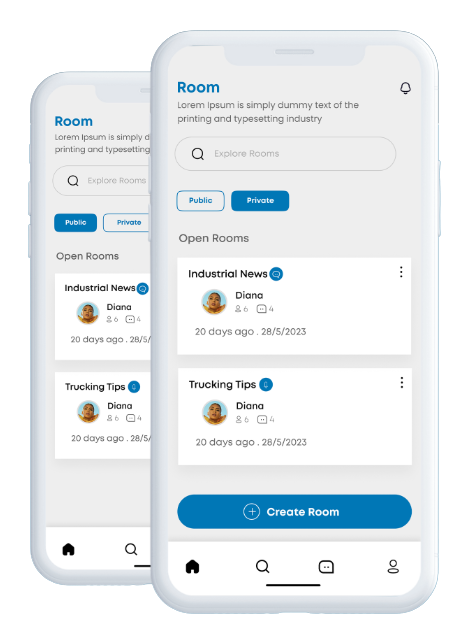
Download the App

Start connecting with other truckers right now. TruckerCircle is completely free and easy to use. All it takes is a few taps to join the only voice-first trucking community designed to keep drivers in touch across the miles.