The ever-evolving landscape of logistics and transportation is fostering a new era for the trucking industry. As the demand for efficiency and safety grows alongside the increase in freight shipments, advanced routing tools are emerging as pivotal players in ensuring not only timely deliveries but also the safety of drivers and cargo. From reducing costs to minimizing accidents, these technologies are helping to navigate the industry’s challenges through smart solutions.
The Importance of Safety in Trucking
Safety in trucking is a multifaceted issue, deeply integrated into every aspect of the industry. The large size and weight of commercial trucks present unique challenges on the road. According to the Federal Motor Carrier Safety Administration (FMCSA), large trucks accounted for 4,842 fatalities in 2020 alone. Hence, maintaining safety is not only critical to saving lives but also essential in avoiding costly liabilities that can arise from accidents.
What Are Advanced Routing Tools?
Advanced routing tools are sophisticated software solutions designed to assist trucking companies in planning the most efficient routes. These tools leverage real-time data, including traffic patterns, weather conditions, and road closures, to optimize travel paths. Unlike traditional map services, advanced routing systems take into account specific trucking parameters such as vehicle size, weight, and load type.
Key Features of Routing Tools
- Real-time Traffic Updates: Ensuring drivers can avoid congested areas or detours.
- Weather Alerts: Helping to navigate severe weather conditions that can hinder safety.
- Route Optimization: Balancing speed, safety, and fuel efficiency.
- Compliance with Regulations: Considering weight limits, bridge heights, and hazardous material restrictions.
Transforming Operations and Enhancing Safety
The integration of advanced routing tools has led to significant improvements in operational efficiency and safety. By optimizing routes, trucking companies can reduce the number of hours drivers spend on the road, subsequently decreasing the risk of fatigue-related accidents.
Case Study: Fleet Management Solutions
Companies like Fleet Complete have made a name for themselves by offering comprehensive fleet management solutions that include advanced routing capabilities. A 2021 study revealed that firms using such a system saw a 20% reduction in accident rates across their fleets.
Moreover, the ability to monitor driver behavior through these tools allows companies to proactively address issues like speeding or harsh braking, which can lead to safer driving practices.
Cost Savings Through Efficiency
While the primary goal of these advanced routing tools is safety, cost efficiency is a significant byproduct. By providing routes that minimize fuel consumption and vehicle wear, transportation companies can significantly cut operational costs. A study by the American Transportation Research Institute estimated that routing inefficiencies could cost trucking companies upwards of $30 billion annually in wasted fuel expenses.
The Impact of Big Data and AI
The revolution in routing technology can largely be attributed to the advancements in big data and artificial intelligence (AI). By analyzing vast datasets, these technologies can predict patterns and trends that human planners may overlook.
Machine Learning for Predictive Analytics
Machine learning algorithms can analyze historical data to identify the safest routes based on factors such as accident history, environmental conditions, and driver performance. This aspect allows fleets to adapt dynamically to changing conditions, making it possible to predict issues before they arise.
Challenges and Limitations
Despite the considerable advantages, integrating advanced routing tools isn’t without challenges. High implementation costs and the need for ongoing support and training can be significant barriers for smaller trucking fleets. Additionally, over-reliance on technology can lead to a loss of critical thinking skills among drivers.
Ensuring Human Oversight
While routing tools are designed to enhance safety, they should complement human expertise rather than replace it. Training programs that incorporate latest technologies alongside traditional safety practices are essential in creating a holistic approach to trucking safety.
Future Trends in Advanced Routing Technology
The future of advanced routing in trucking looks promising with ongoing improvements in technology. The advent of autonomous driving, the Internet of Things (IoT), and further AI developments are set to transform routing tools even more.
Autonomous Trucks and Routing
As companies begin testing autonomous trucks, the development of routing tools designed for these vehicles will become crucial. Algorithms will need to account for different operational considerations, such as the need for rest breaks, vehicle maintenance, and the interaction with human drivers.
Conclusion
Advanced routing tools are more than just digital maps; they represent a critical innovation in enhancing safety and efficiency in the trucking industry. As technology continues to evolve, it promises to enable smarter, safer roads for everyone involved. By adopting these tools, companies not only protect their drivers and cargo but also contribute to a more responsible and sustainable industry.
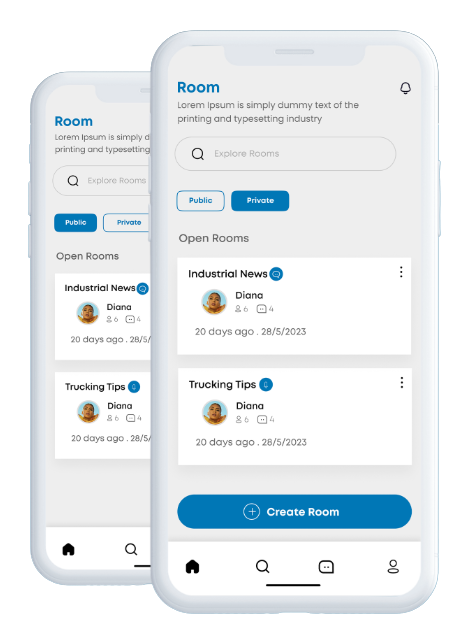
Download the App

Start connecting with other truckers right now. TruckerCircle is completely free and easy to use. All it takes is a few taps to join the only voice-first trucking community designed to keep drivers in touch across the miles.