The trucking industry is essential to the economy, transporting nearly 70% of all freight in the United States. Yet, the nature of the job—long hours on the road, irregular schedules, and the struggle for restful sleep—can make maintaining health a formidable challenge. Truck drivers often find themselves at risk of obesity, heart disease, and a host of other health issues. However, with the right strategies, drivers can prioritize their health without sacrificing their work commitments. This article will explore effective ways for trucking professionals to stay fit, eat well, and maintain their overall health on the road.
The Health Challenges Facing Truck Drivers
Driving for long hours cuts into time for exercise, meal preparation, and quality sleep, leading to a sedentary lifestyle. According to the CDC, long-haul truck drivers are more likely to be obese—nearly 75% of them meet the criteria for obesity. Several factors exacerbate this problem:
- Limited Access to Healthy Food: Many drivers rely on convenience stores and fast-food restaurants when on the road, which often provide less healthy options.
- Inconsistent Sleep Patterns: Shift changes and unpredictable schedules can disrupt natural sleep cycles, leading to fatigue and poor decision-making.
- Isolation and Stress: Long periods away from family and social support can lead to mental health issues, further affecting physical health.
Nutrition Strategies for Drivers
One of the most important aspects of health is nutrition. Making informed food choices—especially while on the road—can have a significant impact on a driver’s overall health. Here are some practical strategies:
- Pack Your Own Meals: Preparing meals at home allows drivers to control their ingredients. Healthier options can include whole grains, lean proteins, fruits, and vegetables.
- Stay Hydrated: Often overlooked, hydration is crucial. Drinking plenty of water helps maintain energy and reduces cravings for unhealthy snacks.
- Smart Snacking: Instead of chips or candy, opt for nuts, yogurt, or fresh fruit. These snacks provide sustained energy without the sugar crash.
Exercise on the Go
Finding time to exercise can feel impossible when driving hundreds of miles a day. However, incorporating physical activity into a daily routine is essential for counteracting the sedentary nature of trucking. Consider these tips:
- Use Rest Stops Wisely: Use breaks to walk around the truck or do some stretching. Even a 10 to 15-minute walk can improve circulation and metabolism.
- Invest in Portable Equipment: Resistance bands, jump ropes, or dumbbells are easy to store and can be used in a small space to keep up strength training.
- Leverage Technology: Use fitness apps to guide short workouts that can be done in a hotel room or truck stop.
Sleep Hygiene for Truckers
A good night’s sleep is crucial for maintaining health and alertness while driving. Here are some strategies to improve sleep quality:
- Create a Restful Environment: Use curtains to block light and earplugs or white noise machines to drown out disruptive sounds.
- Establish a Routine: A calming pre-sleep routine, such as reading or meditative breathing, can signal the body that it’s time to wind down.
- Avoid Stimulants: Caffeine and nicotine should be limited, especially in the hours leading up to when you plan to sleep.
Mental Health Matters
The mental health of truck drivers is often overlooked. Isolation, stress, and long hours can lead to anxiety and depression. Here are ways to maintain mental well-being:
- Stay Connected: Regularly call or video chat with friends and family. Social interaction can combat feelings of loneliness.
- Mindfulness and Meditation: Practices that promote mindfulness can help reduce stress. Simple breathing exercises or guided meditations can be done during breaks.
- Seek Support: Many trucking companies now provide resources for mental health support—don’t hesitate to make use of them.
Community and Education
Joining a community of fellow truck drivers can provide motivation and mutual encouragement in maintaining health. Online forums, local truck stops, and social media groups can serve as platforms for sharing tips, organizing fitness challenges, or discussing healthy meal ideas. Additionally, many trucking organizations offer health education programs aimed at improving driver wellness.
Conclusion
Health and wellness in the trucking industry is not a lost cause; it is attainable with focused strategies and mindful habits. By prioritizing nutrition, exercise, sleep, and mental health, truck drivers can thrive both on the road and at home. The journey may be long and winding, but with dedication and the right tools, road warriors can pave the way toward a healthier life.
Download the App

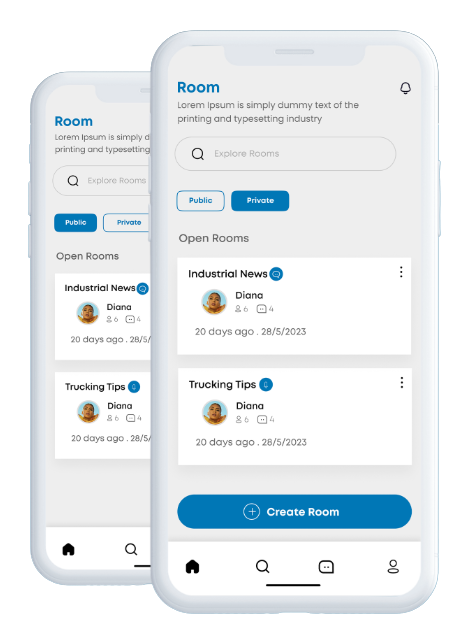
Start connecting with other truckers right now. TruckerCircle is completely free and easy to use. All it takes is a few taps to join the only voice-first trucking community designed to keep drivers in touch across the miles.