The trucking industry is a vital component of the economy, serving as the backbone for transporting goods across cities, states, and countries. As we navigate through 2023, trucking companies are faced with a unique set of challenges and opportunities. To sustain and enhance revenue growth, companies must refine strategies that not only adapt to changing market conditions but also innovate to meet customer expectations.
Understanding the Current Landscape
In 2023, the trucking industry is witnessing rapid changes due to economic fluctuations, supply chain disruptions, and evolving customer demands. According to the American Trucking Associations (ATA), freight volume is expected to increase, leading to heightened competition among carriers. Businesses must focus on efficiency, technology, and relationships to capture market share.
1. Embrace Technology and Automation
One of the most significant avenues for revenue growth lies in technology. From improved routing software to automated tracking systems, adopting innovation can lead to significant efficiencies. Here are some key areas:
- Fleet Management Software: Utilizing software for real-time tracking and management enhances operational efficiency, helping to minimize downtime and fuel costs.
- Telematics: Implementing telematics systems monitors vehicle health and driver behavior, leading to more informed maintenance schedules and improved driver performance.
- Automation: Robotic process automation can streamline paperwork and billing processes, freeing staff to focus on customer relationships and strategic planning.
2. Focus on Sustainability
With growing concerns around climate change, customers increasingly prefer businesses that prioritize sustainability. Addressing this trend can help trucking companies stand out. Strategies include:
- Investing in Energy-Efficient Vehicles: Transitioning to electric or hybrid trucks can reduce fuel costs and attract eco-conscious clients.
- Fuel Management Programs: Implementing fuel-efficient driving practices and maintaining vehicles can lead to lower emissions and costs.
- Carbon Offsetting: Partnering with companies that offer carbon offsetting initiatives not only enhances brand reputation but also allows clients to meet their sustainability goals.
3. Strengthening Customer Relationships
Building strong relationships with customers is crucial in today’s competitive landscape. Companies that prioritize customer service and engagement are better positioned for revenue growth:
- Personalized Services: Understanding customer needs and offering tailored solutions can foster loyalty and repeat business.
- Effective Communication: Keeping clients informed about their shipments and addressing issues promptly can enhance trust and satisfaction.
- Feedback Mechanisms: Establishing channels for customer feedback can provide insights for continuous service improvement.
4. Diversification of Services
In an evolving market, companies should consider diversifying their service offerings to capture new revenue streams. This might include:
- Last-Mile Delivery: With the boom of e-commerce, focusing on last-mile logistics can open doors to new client segments.
- Specialized Freight Services: Offering transportation for unique loads, such as hazardous materials or oversized items, can attract a niche market.
- Warehousing Solutions: Providing warehousing and distribution services can create additional revenue channels and improve service offerings.
5. Data-Driven Decision Making
Finally, employing data analysis is essential for staying competitive. By leveraging analytics, companies can make informed decisions that drive revenue growth. Consider the following:
- Market Trends: Analysing industry data allows companies to anticipate shifts in demand and adjust strategies accordingly.
- Cost Analysis: Monitoring operational costs closely helps identify areas for savings and efficiency improvements.
- Performance Metrics: Establishing and tracking KPIs related to fleet performance and customer satisfaction can guide continuous improvements.
Conclusion
The trucking industry is at a pivotal moment in 2023, driven by technology, sustainability, and evolving customer needs. To achieve revenue growth, companies must remain agile and proactive in adopting new strategies that emphasize efficiency, relationships, and innovation. By leveraging technology, focusing on sustainability, diversifying services, and making data-driven decisions, trucking companies can not only survive but thrive in this competitive landscape. As they navigate these challenges, forward-thinking approaches will set them on the path to success.
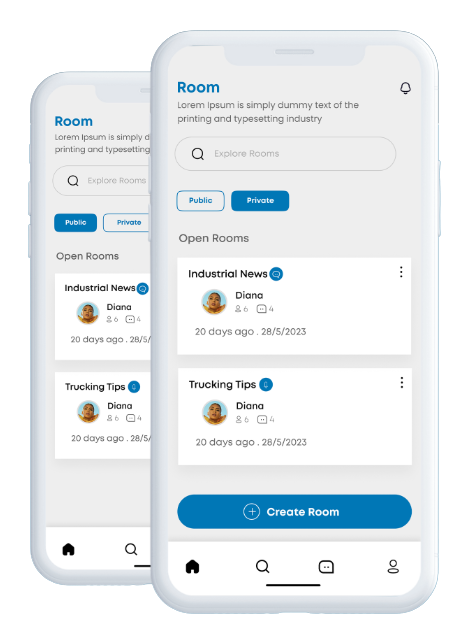
Download the App

Start connecting with other truckers right now. TruckerCircle is completely free and easy to use. All it takes is a few taps to join the only voice-first trucking community designed to keep drivers in touch across the miles.