
In today’s fast-paced world, a reliable vehicle doesn’t just get you from point A to point B; it’s an essential pillar of productivity and safety. Most motorists are aware that neglecting their car’s maintenance can spell disaster—but what they may not know is that preventative maintenance is crucial for saving time and money in the long run. By implementing a consistent maintenance regimen, car owners can prolong the vehicle’s lifespan and enhance its performance.
The Importance of Preventative Maintenance
Preventative maintenance refers to the routine checks and services that can identify potential problems before they become severe. Just as regular health check-ups can prevent serious medical issues, regular vehicle maintenance can avert costly repairs and unexpected breakdowns. The American Automobile Association (AAA) indicates that preventative maintenance can reduce the risk of mechanical failure by as much as 75%.
According to a study by CARFAX, roughly 20% of drivers have never had their vehicle serviced, leading to unnecessary expenses. Skipping routine checks can result in small issues snowballing into significant problems that could lead to accidents, inconveniences, and financial burdens.
The Financial Benefits
While some might view maintenance as an unnecessary expense, it is, in fact, an investment. Here are several ways that preventative maintenance saves money:
- Reduces Repair Costs: Addressing minor issues early can prevent more extensive repairs in the future. For instance, changing your oil regularly can save you from engine damage, which could cost thousands to rectify.
- Improves Fuel Efficiency: A well-maintained vehicle consumes less fuel. According to the US Department of Energy, proper tire inflation and timely oil changes can improve a vehicle’s fuel efficiency by up to 10%.
- Extends Vehicle Lifespan: Regular maintenance helps ensure that components such as the brake system, transmission, and electrical systems function properly, extending the overall lifespan of the vehicle.
- Retains Resale Value: A car with a well-documented maintenance history can command a higher resale price. Potential buyers are often willing to pay more for a vehicle that has been well taken care of.
Key Components of a Maintenance Schedule
Most vehicles come with a manufacturer’s maintenance schedule, which should serve as a baseline for your preventative maintenance. Here are key areas to focus on:
1. Oil Changes
Changing oil regularly is foundational. For many modern vehicles, this should happen every 5,000 to 7,500 miles, but check your owner’s manual for specifics. Not only does fresh oil lubricate engine parts, but it also helps to reduce sludge buildup, which can lead to severe engine wear.
2. Tire Maintenance
Regularly check tire pressure and tread depth. Uneven wear can indicate alignment issues that could affect handling and fuel efficiency. Rotating and balancing tires can also help them last longer and wear evenly.
3. Brake Inspection
Brakes are a critical safety feature. Check for signs of wear or degradation, such as squeaking or a spongy pedal feel. Regularly replacing brake pads and fluids can prevent costly brake system failures.
4. Fluid Levels
Checking and maintaining fluid levels—transmission fluid, coolant, brake fluid, and windshield washer fluid—can prevent overheating and ensure that the vehicle runs smoothly.
5. Battery Care
A dead battery can put a halt to your plans. Regularly inspect battery terminals for corrosion and ensure connections are tight. Most batteries have a lifespan of 3-5 years, so watch for signs of aging.
Creating and Sticking to a Maintenance Schedule
Creating a preventative maintenance schedule can be straightforward. Here are some steps to follow:
- Consult Your Owner’s Manual: The manual provides specific timelines for services that fit your car’s needs.
- Set Reminders: Use digital calendars or apps to set reminders for upcoming maintenance tasks.
- Keep Records: Maintain a detailed log of all services and repairs. This practice can help you stay on track and serve as invaluable information if you decide to sell your vehicle later.
Professional vs. DIY Maintenance
Many drivers may be tempted to perform maintenance themselves to save money. While DIY fixes can be economical, some tasks—like brake and engine repairs—are better left to professionals. If you feel uncomfortable or lack the tools for a task, don’t hesitate to consult a qualified mechanic.
Conclusion
Preventative maintenance is not just a checklist to tick off; it’s a mindset that elevates your vehicle’s reliability and performance. By investing time and resources in routine maintenance, you can avoid costly repairs, extend the life of your car, and ultimately save money—ensuring every journey you take is as trouble-free as possible. In a world where every minute and cent counts, preventative maintenance is a smart choice for any driver.
Download the App

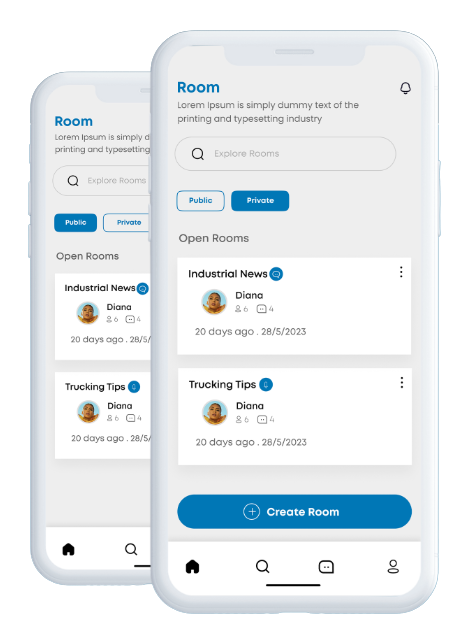
Start connecting with other truckers right now. TruckerCircle is completely free and easy to use. All it takes is a few taps to join the only voice-first trucking community designed to keep drivers in touch across the miles.