The trucking industry serves as the backbone of the U.S. economy, facilitating the movement of approximately 71% of all freight tonnage, and contributing to the essential supply chain that enables businesses to thrive. Yet, despite its significance, the industry faces numerous challenges that impact profitability. In this feature, we explore the current state of profit margins in trucking, factors influencing them, and what companies can do to improve their financial health.
Profit Margins: A Snapshot
According to the American Trucking Associations (ATA), the average profit margin for trucking companies hovers around 5-10%. However, this figure varies significantly between various segments of the industry. Owner-operators tend to report lower margins, often between 3-5%, while larger fleets can achieve margins of up to 10%. The size of the operation, freight type, and operational efficiency all contribute to these variations.
Challenges Affecting Profit Margins
Rising Operating Costs
A primary driver of declining profit margins is rising operational costs. Fuel prices, which account for approximately 25% of total operating expenses, are subject to volatility. The U.S. Energy Information Administration forecasts fuel prices to fluctuate, contributing to unpredictable operational budgeting for trucking companies.
Labor Shortages
The trucking industry is grappling with a severe driver shortage, primarily due to an aging workforce and challenging working conditions, including long hours and time away from home. According to an ATA report, the industry would need to hire an estimated 1.1 million new drivers over the next decade to keep up with demand. This shortage drives up wages, further squeezing profit margins.
Regulatory Compliance
Compliance with government regulations can also be a financial burden. The Federal Motor Carrier Safety Administration enforces strict regulations regarding driver hours, vehicle maintenance, and safety inspections. This often requires companies to invest in technologies and practices that promote safety and compliance, leading to increased operational costs.
Strategies to Improve Profit Margins
Embrace Technology
Leveraging technology can significantly improve efficiency and reduce costs. Fleet management software, GPS tracking, and telematics systems provide real-time data, enabling companies to optimize route planning, monitor vehicle performance, and manage fuel consumption. By embracing these technological advancements, companies can not only enhance service delivery but also realize substantial cost savings.
Enhancing Driver Retention
Investing in driver retention strategies can mitigate the impact of labor shortages on profit margins. Competitive pay, benefits, and a positive workplace culture are essential to retaining valuable drivers. Companies like Schneider National have implemented mentorship programs for new drivers, increasing satisfaction and retention rates.
Diversifying Services
Diversifying service offerings can also help firms tap into new revenue streams. Many trucking companies are expanding their services to include logistics, warehousing, and even last-mile delivery. This diversification can help cushion against fluctuations in freight demand, ultimately contributing to more stable profit margins.
Future Outlook
As the trucking industry evolves, so too will the dynamics affecting profit margins. Innovations in electric vehicles and automation are on the horizon. According to a report from McKinsey, the introduction of autonomous trucks could cut costs significantly, although their widespread adoption is still several years away.
Moreover, shifts in consumer behavior, such as the rise of e-commerce, are reshaping demand for freight services. Companies that adapt quickly to these changes and leverage technological advancements will likely see improved margins in the years ahead.
Conclusion
The trucking industry’s profit margins come under pressure from various factors, including rising costs, labor shortages, and regulatory compliance. However, through careful management, the strategic implementation of technology, and a commitment to enhancing driver retention, companies can better navigate these challenges. The road ahead may not be smooth, but with the right strategies in place, trucking companies can work toward a more profitable future.
Sources: American Trucking Associations, U.S. Energy Information Administration, McKinsey & Company.
Download the App

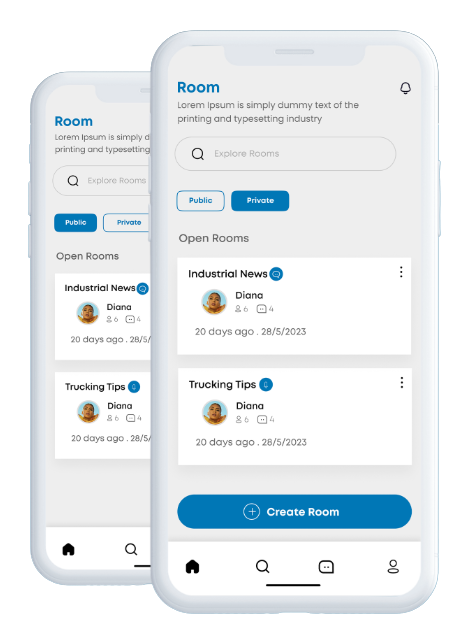
Start connecting with other truckers right now. TruckerCircle is completely free and easy to use. All it takes is a few taps to join the only voice-first trucking community designed to keep drivers in touch across the miles.