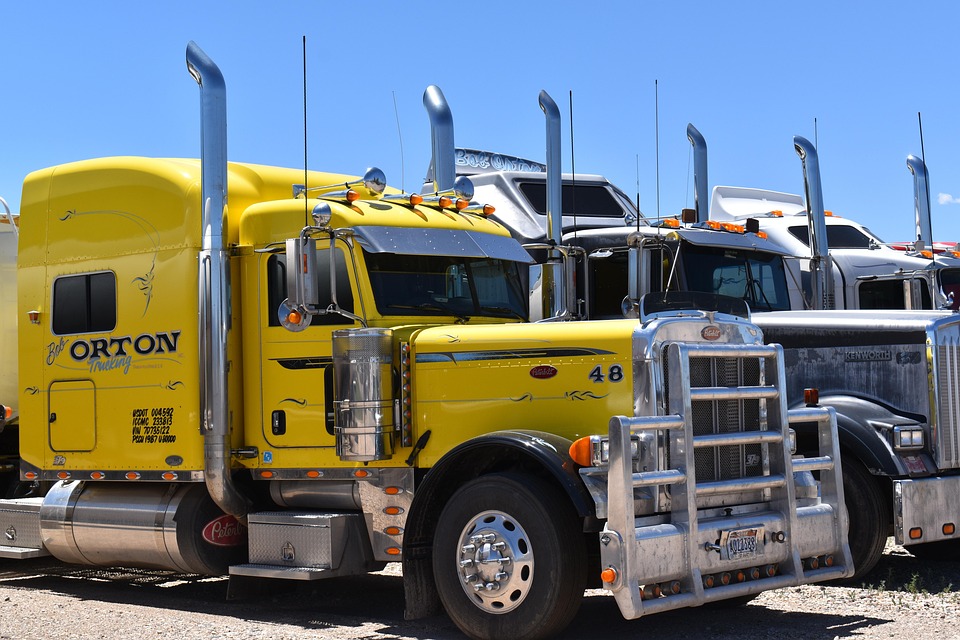

As a vital companion in the world of long-haul transportation, a Kenworth truck is engineered for power, efficiency, and longevity. However, like any machine, it demands regular upkeep and attention to ensure peak performance. This guide aims to provide truck owners and operators with essential maintenance tips to help keep their Kenworth trucks running smoothly for years to come.
Understanding Your Kenworth Truck
Before diving into maintenance specifics, it’s important to understand the key components of your Kenworth truck. Features like the engine, transmission, brakes, and electrical systems are intricately designed to work together. Familiarizing yourself with these parts allows you to identify potential issues early and take preventive measures.
Essential Maintenance Checks
1. Engine Oil and Filters
Engine oil lubricates and protects your engine components from wear and tear. Regularly checking the oil level and replacing the oil and filter according to the manufacturer’s recommendations are critical for engine longevity.
- Oil Change Interval: Every 15,000 miles or as recommended.
- Filter Replacement: Replace each time you change the oil.
2. Fuel System
Keep the fuel system clean and efficient. Regularly inspect the fuel filters and lines to prevent clogs, which can lead to poor performance.
- Fuel Filter Replacement: Every 10,000 miles.
- Check for Leaks: Inspect hoses and joints for any fuel leaks.
3. Cooling System
Your cooling system is vital for preventing engine overheating. Ensure that coolant levels are adequate and that hoses and belts are in good condition to avoid failures.
- Coolant Level Check: Monthly, especially before long trips.
- Hose & Belt Inspection: Every 30,000 miles, look for cracks or wear.
Braking System Maintenance
The braking system is one of the most important safety features in your truck. Regularly inspect the brakes to ensure they remain effective during long hauls.
- Brake Fluid Check: Monthly check for fluid levels.
- Brake Pad Inspection: Inspection at every tire rotation.
Tires: The Ground Connection
Your truck’s tires are its only point of contact with the road. Maintaining them is crucial for safety and performance.
- Tire Pressure: Check weekly and maintain recommended PSI.
- Tread Depth: Inspect for wear; replace tires with less than 4/32” tread depth.
- Alignment Check: Perform every 6 months to prevent uneven tire wear.
Electrical Systems
Modern Kenworth trucks are equipped with advanced electrical systems. Regular checks can prevent electrical failures that could leave you stranded.
- Battery Maintenance: Clean terminals and check connections every six months.
- Light Inspection: Check all lights for functionality each month, replacing burned-out bulbs promptly.
Interior Maintenance
While performance is your primary concern, don’t neglect the interior. A clean, organized cabin can improve comfort and safety.
- Seat Condition: Inspect for tears and maintain cleanliness.
- Dashboard Maintenance: Keep surfaces clean and ensure all controls function properly.
Using Technology for Maintenance
Many Kenworth models come equipped with telematics systems that provide real-time data on truck performance, maintenance needs, and even diagnostic alerts. Utilizing these systems can proactively address issues before they escalate.
Final Thoughts
Proper maintenance is not just about keeping your Kenworth truck in good working order; it is crucial for ensuring safety, prolonging life, and maintaining value. By adhering to a regular maintenance schedule and being vigilant about potential issues, truck owners can ensure their investment remains valuable and reliable.
Establish a routine, keep records of maintenance activities, and consult your owner’s manual for specific guidelines tailored to your model. With the right care, your Kenworth can continue to serve you faithfully mile after mile.
Download the App

Start connecting with other truckers right now. TruckerCircle is completely free and easy to use. All it takes is a few taps to join the only voice-first trucking community designed to keep drivers in touch across the miles.