
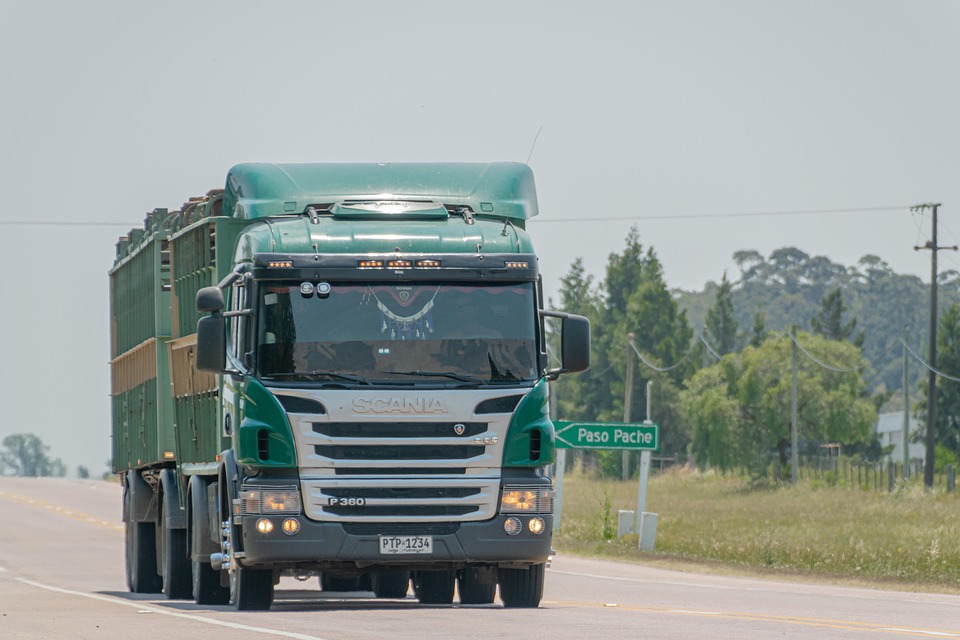
The trucking industry is a cornerstone of the American economy, transporting goods over millions of miles each day. Yet, despite its critical role, the industry faces significant challenges in safety and compliance. According to the National Highway Traffic Safety Administration (NHTSA), in 2021 alone, large trucks were involved in nearly 5,500 fatal crashes. As these figures bring to light the urgency for effective trucking safety regulations, a comprehensive examination reveals how these laws work, their impacts, and the ongoing journey towards enhanced compliance.
The Landscape of Trucking Regulations
Trucking regulations are primarily governed at the federal level by the Federal Motor Carrier Safety Administration (FMCSA). Established in 2000, the FMCSA aims to reduce crashes, injuries, and fatalities involving large trucks and buses. Key regulations include requirements for driver qualifications, vehicle maintenance, hours of service (HOS), and the use of technology.
Driver Qualification and Training
Central to trucking safety are rigorous driver qualification standards. Prospective drivers are required to possess a Commercial Driver’s License (CDL), which mandates passing both written and driving skills tests. Additionally, training programs emphasize defensive driving skills and hazard recognition. According to the American Trucking Associations (ATA), the industry is focusing on training initiatives that extend beyond mere compliance, aiming to foster a culture of safety among drivers.
Hours of Service Regulations
The FMCSA’s HOS regulations play a pivotal role in ensuring that drivers do not operate vehicles while fatigued. These rules dictate how many hours a driver can be on the road and when they must take mandatory rest breaks. In 2020, changes introduced flexibility under certain conditions, such as allowing short-haul drivers to extend on-duty time. Such adaptations seek to balance operational demands with safety concerns.
Vehicle Maintenance and Inspection
Regular vehicle maintenance is mandated to keep trucks in safe operating condition. The FMCSA requires trucking companies to inspect, repair, and maintain their vehicles according to established schedules. Additionally, pre-trip and post-trip inspection checks are crucial in identifying potential mechanical failures before they culminate in accidents.
The Impact of Technology on Compliance and Safety
Technology is revolutionizing the trucking industry, enhancing both compliance and safety. Advanced Driver Assistance Systems (ADAS), such as lane departure warnings and automatic braking systems, are becoming standard in many fleets. Moreover, telematics—information technology that monitors vehicle location, speed, and maintenance needs—offers real-time data that can foster proactive decision-making and reduce accidents.
Electronic Logging Devices (ELDs)
One of the most significant technological advancements in the trucking industry is the adoption of Electronic Logging Devices (ELDs). These devices automatically record driving hours, ensuring adherence to HOS regulations. The FMCSA mandated ELDs for most commercial truck drivers starting in December 2017, which has led to a notable reduction in HOS violations and, by extension, fatigue-related accidents. As reported by the FMCSA, the compliance rate for ELDs stands at around 99%, showcasing their effectiveness in promoting safer driving practices.
Challenges in Implementation
Despite these regulations and advancements, challenges persist. One significant hurdle is the ongoing driver shortage; with an estimated 80,000 truck driver vacancies in the U.S. as of 2022, carriers often face pressure to prioritize delivery speed over safety compliance. Additionally, some smaller trucking companies may lack the resources to implement new technologies or adhere strictly to regulations, leading to inconsistencies in compliance.
Cultural Attitudes towards Safety
Addressing cultural attitudes within the industry is crucial. Surveys conducted by the ATA indicate that while many drivers understand the importance of safety, external pressures to meet deadlines can lead to risky behaviors. Moreover, there needs to be a broader push toward fostering a safety-first culture among all stakeholders, including trucking companies, drivers, and regulatory bodies.
Future Directions and Recommendations
Looking ahead, the trucking industry must focus on several key areas to enhance safety regulations. Increased investment in training programs that prioritize safety, the integration of more sophisticated technologies, and the establishment of stronger partnerships between regulators and the industry can mitigate risks.
Adopting Best Practices
Annual safety audits, peer coaching programs, and recognition incentives for safe driving can reinforce a robust safety culture. Implementing best practices from successful organizations can also serve as a benchmark for compliance and operational excellence.
Advocacy for Comprehensive Approaches
Advocating for comprehensive training and support programs at the federal level that encourage ongoing education for drivers and fleet managers can help sustain improvements in safety. Collaborating with stakeholders such as insurance companies and technology providers can further enhance the industry’s safety landscape.
Conclusion
In summary, while trucking safety regulations have evolved significantly to reduce accidents and enhance compliance, the industry must remain vigilant. With a combination of regulatory adherence, technological innovation, and a cultural shift towards prioritizing safety, the path to a safer trucking environment can be paved. As stakeholders in this essential industry work together, a decline in accidents and an increase in safe, efficient trucking operations is not just a goal but an achievable reality.
Download the App

Start connecting with other truckers right now. TruckerCircle is completely free and easy to use. All it takes is a few taps to join the only voice-first trucking community designed to keep drivers in touch across the miles.


