
For millions of people around the globe, long hours spent traveling for work can lead to a lifestyle that is less than conducive to optimal health. With tight schedules and infinite to-do lists, maintaining physical health while on the road can feel challenging at best—and impossible at worst. But for those looking to stay fit and energized amidst the hustle, there are effective strategies to not just survive, but to thrive.
The Challenge of Staying Active
It’s no surprise that professionals who spend extensive time on the road—truck drivers, salespeople, and business travelers—often grapple with sedentary habits. According to a study published in the *American Journal of Preventive Medicine*, prolonged sitting is linked to various health issues, including obesity, cardiovascular disease, and diabetes. The National Institute for Occupational Safety and Health (NIOSH) reports that sedentary work environments contribute significantly to these risks.
Travel can disrupt routines, making it difficult to maintain exercise regimens and healthy dietary practices. Fast-food restaurants line highways, and busy schedules often lead to skipped meals. However, with proper planning and smart choices, road warriors can integrate fitness into their travel routines.
Building a Roadmap for Fitness
The first step in staying fit on the road is to create a personalized fitness plan that accommodates your traveling lifestyle. Tailoring a program that works for you might include factors like destination, amenities available, and your current fitness level. Here are some tips to consider:
- Create a Travel Exercise Kit: Pack lightweight exercise bands, a jump rope, or portable resistance weights. These can easily fit into your luggage, allowing for quick workouts in hotel rooms or even on rest stops.
- Leverage Your Environment: Use bodyweight exercises such as push-ups, squats, and lunges. Many hotels have fitness centers; take advantage of these facilities when available.
- Establish a Routine: Try to exercise at consistent times, whether it’s before breakfast or after work hours. Create a habit that works with your schedule.
- Set Realistic Goals: Aim for daily movement, whether it’s a short run, a walk, or yoga. Incremental progress is key to sustaining long-term fitness.
Incorporating Healthy Eating Habits
Maintaining a balanced diet while traveling can be difficult, but it’s far from impossible. Here are some strategies to keep your nutrition in check:
- Plan Ahead: Research local restaurants and grocery stores ahead of time. Look for healthier options and think about meals you can prepare yourself.
- Snack Smart: Prepare healthful snacks. Nuts, protein bars, dried fruit, and yogurt can help you avoid the urge to grab fast food at gas stations.
- Stay Hydrated: Carry a refillable water bottle. Staying hydrated is essential, especially when you’re on the move. Dehydration can lead to fatigue and confusion.
- Mindful Eating: Pay attention to portion sizes and listen to your body. Try to eat slowly and savor your meals, which can help you avoid overeating.
The Role of Technology
Technology can be an invaluable tool for maintaining fitness on the road. Numerous apps and devices cater to fitness enthusiasts and can help streamline your efforts:
- Fitness Apps: Apps like MyFitnessPal and Lose It! can help track your nutrition and caloric intake. Similarly, apps like Strava and Fitbit can motivate you to stay active.
- Online Workouts: Platforms like YouTube offer free fitness classes ranging from yoga to high-intensity interval training (HIIT) that you can do in your hotel room.
- Virtual Personal Trainers: Services like Noom or Peloton provide personalized training plans and access to trainers who can guide you through workouts remotely.
Mindfulness and Recovery
Maintaining a healthy mindset is equally important for overall fitness. Stress management and recovery techniques can help you stay mentally and physically fit. Consider initiatives like:
- Meditation: Apps such as Headspace or Calm provide guided meditations that can help alleviate stress and improve focus.
- Sleep Hygiene: Quality sleep is non-negotiable for recovery and overall health. Create a soothing nighttime routine regardless of time zone to ensure better rest.
- Stretching and Mobility Work: Incorporating dynamic stretches or yoga can counteract the stress and strain of long drives or flights. This will keep your muscles flexible and aid recovery.
Community and Accountability
Finally, consider leveraging social connections to bolster your commitment to fitness. Engaging with like-minded individuals provides motivation and accountability. Consider these options:
- Find Local Fitness Groups: Many cities have running clubs or fitness meet-ups. Join a class or group to stay motivated and meet new people.
- Buddy System: Partner up with a fellow traveler to ensure you both stay accountable to your fitness goals.
- Social Media: Share your journey on social platforms to connect with other road warriors. This may offer you tips, motivation, and a sense of community.
Conclusion
Staying fit on the road is undeniably challenging, but it’s achievable with the right approach and mindset. By creating a tailored fitness and nutrition plan, leveraging technology, and fostering community connections, you can thrive in any travel scenario. With determination and creativity, every journey can become an opportunity for health and wellness rather than an obstacle. Whether you’re driving cross-country or flying internationally, it’s time to take charge of your health and embark on a journey that fuels both body and spirit.
Download the App

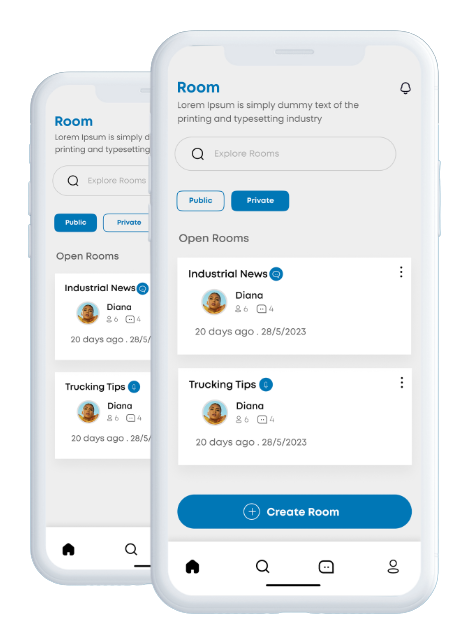
Start connecting with other truckers right now. TruckerCircle is completely free and easy to use. All it takes is a few taps to join the only voice-first trucking community designed to keep drivers in touch across the miles.