The fleet management industry has seen transformative changes over the past few years, driven by technological innovations that extend far beyond traditional GPS tracking. As companies strive to remain competitive in a rapidly advancing environment, they are embracing a variety of emerging technologies that enhance efficiency, reduce costs, and ensure safety. In this article, we will explore some of the most impactful developments in fleet management technology, from advanced telematics to the use of artificial intelligence (AI) and the Internet of Things (IoT).
The Rise of Telematics
Telematics, the integration of telecommunications and monitoring technologies in vehicles, has become a cornerstone of fleet management. Companies now utilize telematics systems to gather real-time data on vehicle performance, location, and driver behavior. This data can be invaluable for optimizing routing, reducing fuel costs, and ensuring timely deliveries.
One of the leading providers of telematics solutions, Geotab, reports that users can save up to 25% on fuel costs by implementing intelligent routing. Furthermore, telematics has allowed fleet managers to monitor vehicle health proactively, helping them address potential issues before they lead to breakdowns. This shift from reactive to predictive maintenance is a significant advancement that can minimize downtime and extend the lifespan of vehicles.
Data Analytics: Turning Insights into Action
While telematics provides the data, data analytics transforms this information into actionable insights. By harnessing advanced analytics tools, fleet managers can analyze historical and real-time data to identify trends, optimize operations, and improve decision-making.
Advanced analytics can evaluate various performance metrics like fuel consumption, vehicle utilization, and driver behavior to identify areas for improvement. For instance, analyzing data trends can highlight which routes are consistently problematic, allowing managers to make necessary adjustments. Furthermore, predictive analytics, which uses historical data to forecast future outcomes, can assist in managing fleet costs by predicting maintenance needs and identifying potential issues before they occur.
Artificial Intelligence: Enhancing Decision-Making
Artificial intelligence is set to redefine fleet management in unprecedented ways. By using AI-driven algorithms, companies can optimize routes, enhance driver safety, and reduce operational costs. AI systems can analyze vast amounts of data in seconds, providing recommendations based on real-time conditions such as traffic patterns, weather, and road construction.
A critical application of AI is in driver monitoring systems. These systems use AI to assess driver behavior and provide immediate feedback. By analyzing factors like speed, harsh braking, and acceleration, the technology can identify unsafe driving patterns and suggest improvements. According to a study by the American Transportation Research Institute, fleets that adopted AI-powered driver coaching saw a 28% reduction in accidents.
IoT: The Connected Fleet
The Internet of Things (IoT) is transforming fleet operations by connecting vehicles, devices, and infrastructure through a network of sensors and communication systems. This connectivity allows for a seamless flow of information between vehicles and fleet management platforms, creating what is known as a “connected fleet.”
IoT applications extend beyond basic GPS tracking. For example, smart sensors can monitor tire pressure, engine performance, and even driver fatigue in real-time. This data can be aggregated and analyzed to improve vehicle performance and overall fleet efficiency. A connected fleet can also facilitate automated maintenance schedules, where notifications are sent to fleet managers when a vehicle requires servicing. This proactive approach significantly reduces repair costs and keeps operations running smoothly.
Electric and Autonomous Vehicles: The Future is Here
The emergence of electric and autonomous vehicles is another major trend shaping the fleet management landscape. As governments and consumers increasingly prioritize sustainability, electric vehicles (EVs) are becoming more prominent in fleet operations. Companies like Tesla and Rivian are leading the charge by producing electric delivery vans and trucks that offer lower operating costs and reduced emissions.
Moreover, the development of autonomous vehicles holds promise for fleet management. Though still in its infancy, autonomous vehicle technology may one day lead to fully self-driving delivery trucks. Companies like Waymo and Aurora are already testing autonomous vehicles for commercial use. The potential for reduced driver costs, improved safety, and increased efficiency could revolutionize the industry.
Challenges and Considerations
While these emerging technologies offer a plethora of benefits, they are not without challenges. Data privacy and cybersecurity are major concerns for fleet management, especially as vehicles become more connected. Companies must invest in robust security measures to protect their data and ensure compliance with regulations.
Additionally, the integration of new technologies can be costly and complex. Fleet managers must carefully evaluate their systems to ensure they align with their operational goals, and this often requires significant upfront investment and training.
Conclusion
The landscape of fleet management is undergoing a profound transformation as companies adopt emerging technologies beyond traditional GPS. From telematics and data analytics to AI and IoT, the tools available for optimizing fleet operations are becoming increasingly sophisticated. As stakeholders navigate the challenges and embrace these changes, the future of fleet management looks promising, paving the way for more efficient, safer, and environmentally friendly operations.
Download the App

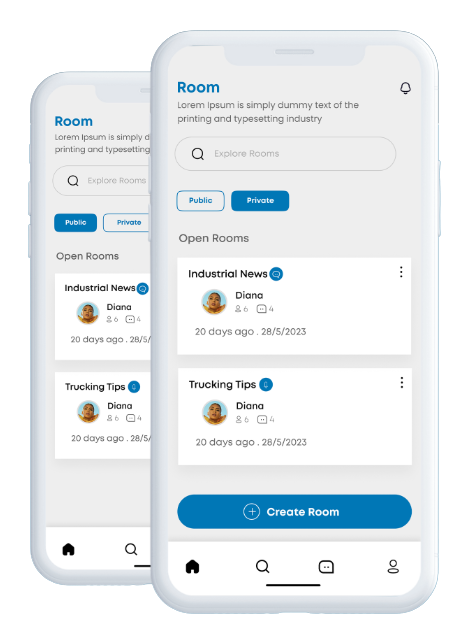
Start connecting with other truckers right now. TruckerCircle is completely free and easy to use. All it takes is a few taps to join the only voice-first trucking community designed to keep drivers in touch across the miles.