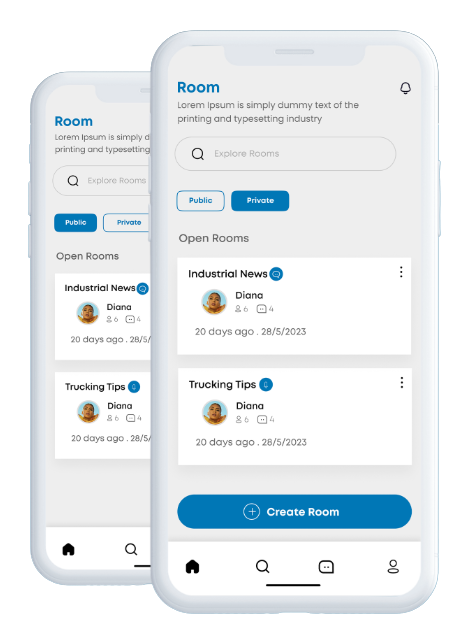
In the heart of America’s freight system, truck drivers spend countless hours on the open road. For many, driving is not just a job; it is a lifestyle that can involve long stretches of solitude, often leading to feelings of isolation and stress. However, an emerging trend is facilitating connection and support among drivers: truck driver support groups. These groups are not merely havens for conversation but lifelines that foster emotional well-being and resilience among those who dedicate their lives to the wheels of commerce.
The Trucking Life: A Double-Edged Sword
The profession of truck driving offers independence and the allure of the open road. But these benefits come with challenges. According to the American Psychological Association, truck drivers are at a higher risk for mental health issues due to isolation, irregular hours, and the pressures of tight schedules. Sixty-eight percent of truck drivers report feeling lonely when on long hauls, contributing to anxiety and depression.
Building Community Through Support Groups
In response to these challenges, truck driver support groups have sprung up both online and in person, providing a space for drivers to share their experiences, struggles, and victories. These groups, often facilitated by organizations such as the Owner-Operator Independent Drivers Association (OOIDA) and various social media platforms, focus on creating a supportive environment.
One key benefit of these groups is the sense of community they foster. When drivers share their stories, they discover commonalities that ease their sense of isolation. This camaraderie can lead to lasting friendships that provide emotional support even when miles apart. Online platforms like Facebook and Discord allow drivers to stay connected, share tips, and celebrate milestones.
Heartfelt Conversations: The Impact on Mental Health
Engaging in heartfelt conversations is another crucial aspect of support groups. The simple act of talking can have profound effects on mental health. According to research published in the Journal of Clinical Psychology, open discussions can reduce symptoms of depression and anxiety. By speaking to someone who understands the unique challenges of long-distance driving, truckers can articulate their feelings, which facilitates healing.
Support groups often engage in structured discussions, focusing on topics such as coping mechanisms for stress, strategies for maintaining health on the road, and personal anecdotes that help drive home common experiences. This exchange not only validates feelings of loneliness but also equips drivers with tools to manage it.
Accountability and Personal Growth
Another notable aspect of truck driver support groups is accountability. Many drivers face temptations to skip healthy habits—like exercise or proper meals—due to the nature of their work. Groups provide a platform for drivers to hold each other accountable, share meal plans, or even work out together over video calls. This shared commitment can lead to healthier lifestyle choices, ultimately benefiting mental and physical health.
Incorporating Professional Guidance
Some support groups take it a step further by incorporating professional guidance. Speakers such as mental health professionals or nutritionists may join discussions to provide expert advice. These interactions can lead to valuable insights that drivers can apply to their daily lives. In addition, having access to mental health resources reduces the stigma often associated with seeking help, encouraging more drivers to voice their struggles.
Economic Benefits of Emotional Well-Being
While the emotional benefits of support groups are significant, there are also economic advantages to fostering a positive mental state among truck drivers. A study by the American Transportation Research Institute found that drivers experiencing lower levels of stress often display higher levels of job satisfaction, leading to decreased turnover rates and increased productivity. Companies that recognize the importance of mental health and promote group discussions ultimately foster a more committed workforce.
Challenges and Future Directions
Despite the clear benefits, challenges remain in making support groups accessible for all drivers. Many are still unaware of such resources, and logistical barriers like inconsistent schedules and limited internet access can hinder participation. Moreover, stigma around mental health persists, making it difficult for some to seek help.
Moving forward, it’s essential for trucking companies, industry organizations, and advocacy groups to promote these support networks actively. By providing comprehensive resources and scheduling flexibility, they can pave the way for a more supportive culture in an industry that often feels isolating.
Final Thoughts
Truck driver support groups represent a crucial development in addressing the emotional challenges of long-haul driving. As the road stretches on, fostering community and promoting heartfelt conversations can lighten the load. Through shared experiences and collective growth, these groups are proving that in a profession marked by solitude, connection can move mountains—or more accurately, miles.
Download the App

Start connecting with other truckers right now. TruckerCircle is completely free and easy to use. All it takes is a few taps to join the only voice-first trucking community designed to keep drivers in touch across the miles.