
In an era marked by rapid technological evolution, the transportation and logistics sectors have begun to embrace advanced technologies that redefine operational efficiency. Artificial Intelligence (AI) stands at the forefront of this shift, offering transformative solutions in fleet management. From optimizing routes to enhancing safety, the integration of AI into fleet operations showcases not only the promise of increased productivity but also significant cost savings.
The Rise of Fleet Management Technology
Fleet management systems have been around for decades, focusing primarily on vehicle tracking and maintenance scheduling. However, as technology has evolved, these systems have expanded their capabilities. The integration of AI and machine learning algorithms allows for real-time data analysis, predictive maintenance, and dynamic routing solutions that were previously unattainable.
The global fleet management market is projected to grow substantially, with reports estimating that it will reach a value of over $34 billion by 2027. This growth is significantly driven by the increasing focus on operational efficiency and the deployment of advanced technologies, including AI, IoT (Internet of Things), and big data analytics.
AI-Powered Route Optimization
One of the most significant benefits of AI in fleet management is its ability to optimize routes dynamically. Traditional routing methods often rely on historical data and fixed algorithms, which can lead to inefficiencies, especially in unpredictable scenarios such as traffic congestion or inclement weather.
AI algorithms can analyze vast amounts of data from various sources, including GPS signals, traffic reports, and even weather forecasts. By evaluating real-time conditions, AI can suggest the most efficient routes, minimizing fuel consumption and reducing delivery times. For instance, Companies like Geotab and Fleet Complete are already leveraging AI to provide dynamic routing solutions that adapt to changing conditions on the fly.
Predictive Maintenance and Cost Savings
Maintaining a fleet can be one of the most significant expenses for businesses, with unforeseen vehicle breakdowns causing delays and increased costs. AI offers solutions to predict when a vehicle might require maintenance, thereby preventing breakdowns before they happen.
Machine learning algorithms can analyze data from onboard diagnostics to identify patterns that indicate wear and tear. For example, sensors can monitor engine performance, tire wear, and fuel consumption, flagging potential issues before they escalate. This proactive approach to maintenance not only enhances vehicle reliability but also leads to substantial cost savings. According to TechTarget, predictive maintenance can reduce maintenance costs by up to 25% while increasing equipment availability by as much as 20%.
Enhancing Driver Safety and Training
Safety is paramount in fleet operations. AI technologies can analyze driver behavior, identifying risky patterns such as harsh braking, sharp turns, or excessive speeding. Traditional monitoring methods often require manual review, whereas AI can provide real-time feedback and coaching to drivers.
By employing telematics and AI-driven analysis, fleet managers can create personalized training programs focused on improving individual driving habits. For example, companies like VIRVE utilize AI to assess driver performance and recommend tailored training, ultimately fostering a safer driving culture. Studies show that improved driver safety not only protects human lives but also reduces operational costs associated with accidents and insurance premiums.
Inventory and Supply Chain Optimization
The role of AI in fleet management extends beyond vehicles and drivers. It also impacts how fleets manage inventory and supply chains. Just-in-time inventory systems benefit from AI-powered analytics to ensure that fleets are stocked properly without overcommitting resources.
Using AI algorithms, businesses can predict customer demand more accurately. Smart inventory management allows for the timely replenishment of stock based on factors like seasonal trends and local events. This optimization leads to lower carrying costs and improved customer satisfaction, as products are delivered when they are needed most.
Challenges Ahead
Despite the clear advantages that AI offers, the integration of AI into fleet management is not without its challenges. Data privacy concerns, the need for robust cybersecurity measures, and the costs associated with implementation can pose significant hurdles.
Moreover, a reliance on technology raises questions about job redundancy. However, many experts argue that rather than replacing jobs, AI will augment human capabilities. Fleet operators may find themselves taking on more strategic roles as AI handles routine tasks. Training and development will be essential to ensure that the workforce adapts successfully to these technological changes.
The Future of Fleet Management
As we look toward the future, AI is poised to redefine fleet management on a grand scale. The merging of AI with other technologies, such as blockchain for secure transactions and IoT for real-time data feeds, indicates limitless potential.
Innovations such as autonomous vehicles are also on the horizon. Although fully autonomous fleets may still be years away, the incremental steps being made today with AI applications in fleet management set a solid foundation for what’s to come. The journey towards more efficient, safer, and cost-effective fleet operations has already begun, and AI is at the heart of this transformation.
Conclusion
Artificial Intelligence is revolutionizing fleet management by improving route efficiency, driving safety, predictive maintenance, and inventory optimization. While the challenges of integration are real, the potential benefits far outweigh the risks. As fleet operators begin to embrace these innovations, the logistics landscape will continue to evolve toward greater efficiencies and smarter operations, ultimately transforming how goods and services are delivered globally.
Download the App

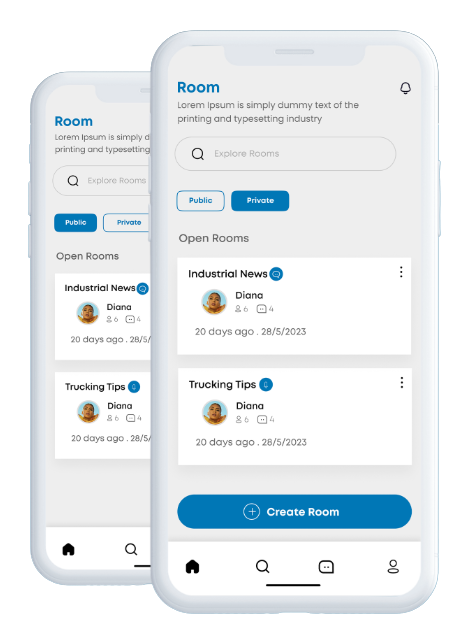
Start connecting with other truckers right now. TruckerCircle is completely free and easy to use. All it takes is a few taps to join the only voice-first trucking community designed to keep drivers in touch across the miles.