
The trucking industry is an essential backbone of the economy, facilitating the movement of goods across vast distances. However, as demand continues to fluctuate and operating costs rise, many trucking companies find themselves striving to maintain profitability. To stay competitive, it’s crucial for these companies to implement effective strategies that enhance profit margins without compromising service quality. In this article, we delve into several actionable strategies that trucking companies can adopt to boost their financial performance.
1. Embrace Technology
Modern technology offers an array of tools that can significantly enhance operations and improve profit margins. From advanced routing software to telematics, technology can optimally manage resources and increase efficiency.
- Route Optimization Software: Tools like GPS routing systems can help drivers avoid heavy traffic areas and costly detours, ultimately reducing fuel costs and improving delivery timelines.
- Fleet Management Systems: These systems offer insights into maintenance schedules, fuel consumption, and driver performance. By closely monitoring these factors, companies can significantly lower expenses.
- Telematics: Installing telematics devices allows for real-time tracking of vehicles. Data collected can reveal trends in fuel efficiency, speeding, idling time, and more. This allows for timely interventions that keep costs down.
2. Regular Training and Development
Your drivers are your biggest asset. Investing in their training and development leads to improved efficiency and safety, which in turn can boost profit margins. Regular training sessions can enhance skills in the following areas:
- Driving Efficiency: Teaching drivers about fuel-efficient driving techniques can lead to substantial savings over time.
- Safety Protocols: A well-trained driver is less likely to be involved in an accident, reducing costs related to insurance and vehicle repairs.
- Customer Service: Training drivers in customer service skills impacts client satisfaction and retention, directly translating into better business outcomes.
3. Fuel Management Practices
Fuel represents one of the largest expenses in the trucking industry. Implementing effective fuel management practices is vital for managing these costs:
- Bulk Fuel Purchasing: If your fleet operates consistently in a specific area, consider negotiating contracts with local fuel suppliers for bulk purchasing discounts.
- Monitoring Fuel Usage: Using telematics to track fuel consumption can identify patterns in usage, allowing for interventions that minimize waste.
- Driver Training: Encouraging smoother driving habits and limiting aggressive acceleration and braking can greatly enhance fuel efficiency.
4. Utilize a Mixed Fleet Strategy
While many trucking companies may rely solely on one type of vehicle, utilizing a mixed fleet can optimize operational efficiency. A mixed fleet combines different truck types—like light-duty and heavy-duty vehicles—allowing for better asset utilization:
- Right-Sizing: Having the right vehicle for each job prevents overloading or underusing trucks, which can lead to increased efficiency and lower operational costs.
- Flexible Solutions: Diversifying your fleet allows for tackling a wider range of transportation contracts without the need for costly leasing or purchasing.
5. Optimize Maintenance Strategies
Regular maintenance of trucks prevents costly breakdowns that can take vehicles out of service for extended periods. An effective maintenance strategy should include:
- Proactive Maintenance: Implementing a scheduled maintenance program ensures that potential problems are identified before they result in breakdowns.
- Record Keeping: Using software to track maintenance history can inform decision-making about repairs or whether it’s time to replace a vehicle.
6. Negotiate Better Rates
In a highly competitive market, negotiating better rates and improving vendor relationships can significantly impact the bottom line:
- Contractual Negotiations: Review contracts with shippers and carriers regularly to ensure that they remain competitive and beneficial for both parties.
- Building Relationships: Foster relationships with suppliers, which can lead to favorable pricing and terms of service.
7. Focus on Niche Markets
Exploring and specializing in niche markets can provide a significant competitive advantage. By focusing on specific sectors—like temperature-sensitive cargo or hazardous materials—trucking companies can:
- Improve Margins: Niche markets often allow for higher pricing due to specialized skills and equipment requirements.
- Less Competition: Focusing on a smaller market reduces the number of competitors, allowing companies to capture a larger share of the market.
Conclusion
In an industry characterized by tight profit margins and high operational costs, implementing strategic initiatives is essential for long-term success. By leveraging technology, investing in training, managing fuel costs, and optimizing maintenance strategies, trucking companies can not only survive but thrive in the competitive landscape. As the industry evolves continually, staying adaptable and open to new strategies will ensure you remain miles ahead of the competition.
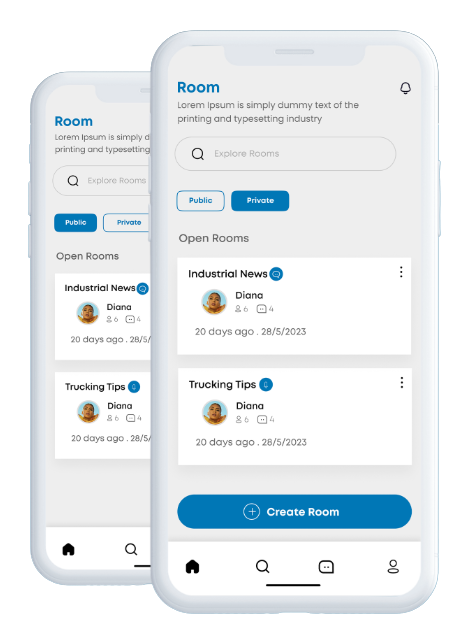
Download the App

Start connecting with other truckers right now. TruckerCircle is completely free and easy to use. All it takes is a few taps to join the only voice-first trucking community designed to keep drivers in touch across the miles.