
As the trucking industry continues to evolve, driven by technological advancements and unprecedented challenges, the way truck drivers and logistics companies communicate is experiencing a seismic shift. From real-time tracking to sophisticated telematics systems, the future of communication tools in trucking is not just about efficiency—it’s about safety, productivity, and adaptability.
The Digital Transformation in Trucking
Historically, trucking communication methods ranged from dispatch radios to paper logs. However, as digital technology sees broader adoption, the trucking industry has started to embrace state-of-the-art solutions. Today’s communication tools enable drivers and fleet managers to share vital information instantly, a necessity when dealing with time-sensitive deliveries.
According to a 2022 study from the American Transportation Research Institute, over 80% of trucking companies reported that improved communication tools have positively affected their operational efficiency. Fleet managers now rely on technologies that integrate GPS mapping, electronic logging devices (ELDs), and mobile applications seamlessly.
The Role of Mobile Applications
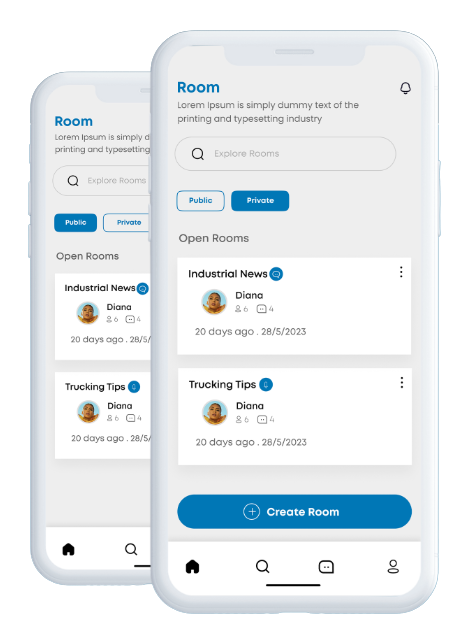
Mobile applications are at the forefront of this digital revolution. These platforms not only facilitate communication but also streamline various operational tasks. Drivers can use apps for route navigation, fuel management, and even truck maintenance tracking. Notable examples include Fleet Complete and KeepTruckin, which allow for real-time updates on driver statuses and vehicle locations.
Integrating IoT and Telematics
The integration of Internet of Things (IoT) technology and telematics systems is also shaping the future of communication in trucking. Sensors placed in trucks provide data on everything from tire pressure to engine performance. This data can be transmitted in real-time to fleet managers, enabling proactive maintenance and operational decisions.
Telematics allows fleets to monitor driving behaviors such as speed, braking, and fuel usage, promoting a culture of safety among drivers. Companies like Omnicomm offer comprehensive telematics solutions, turning raw data into actionable insights. New technologies facilitate direct communication between vehicles and dispatchers, enhancing overall operational efficiency.
Challenges and Barriers to Adoption
Despite the promising benefits, the trucking industry does face challenges in adopting new communication technologies. One significant hurdle is the varied technological readiness among smaller companies versus larger fleets. Many small and medium-sized enterprises often lack the funding necessary to implement advanced systems.
Additionally, a workforce that is accustomed to traditional methods may be resistant to change. Training employees to effectively use new tools is crucial for ensuring their acceptance and maximizing the potential benefits. Without proper implementation, even the most advanced communication system can fail to deliver the desired results.
The Human Element in Communication
While technology can streamline communication, the human element remains vital. Effective communication isn’t solely about tools; it’s about fostering relationships between drivers, fleet managers, and customers. Strong interpersonal skills can enhance information sharing and contribute to building a more cohesive working environment.
“Communication in trucking is not just transactional; it’s relational,” says Sarah Johansson, a long-haul driver. “Listening to each other’s concerns and feedback enhances trust and leads to better overall team performance.”
The Future: AI and Machine Learning
Looking ahead, artificial intelligence (AI) and machine learning are set to revolutionize communication tools in trucking even further. Predictive analytics, driven by AI algorithms, can forecast potential delays or logistical challenges before they arise, allowing for quicker, data-driven decisions.
In the near future, intelligent virtual assistants may be integrated into truck systems, providing drivers with voice-activated updates, navigation, and real-time traffic information. This integration will minimize distractions, allowing drivers to focus on the road while still receiving critical information.
Regulatory Considerations
As communication tools continue to develop, regulatory bodies will likely step in to ensure that standards are maintained. Regulations regarding privacy, data security, and electronic logging remain critical for protecting both drivers and companies. Understanding and complying with these evolving regulations will be crucial for fleet managers and tech providers alike.
Conclusion
The trucking industry stands at a crossroads, where the fusion of technology and communication networks promises a more efficient, safe, and productive future. The focus is shifting from merely moving goods from point A to B; it’s now about the entire journey—the coordination of people, machines, and data working in harmony.
In this rapidly evolving landscape, embracing new communication tools will be essential, while also recognizing the integral role of human interaction. The road ahead may be filled with challenges, but with the right tools and mindset, the trucking industry is well-equipped to navigate it.
Download the App
Start connecting with other truckers right now. TruckerCircle is completely free and easy to use. All it takes is a few taps to join the only voice-first trucking community designed to keep drivers in touch across the miles.