
The trucking industry is undergoing significant changes, particularly with the introduction of Electronic Logging Devices (ELDs). These devices are designed to help reduce violations of Hours of Service (HOS) regulations, thereby improving road safety and compliance. For truck drivers, understanding the new ELD mandates is crucial. This article explores what ELDs are, the regulations governing their use, and the implications for drivers across the United States.
What are ELDs?
Electronic Logging Devices are technology-based solutions that automatically record driving time, engine hours, location information, and distance traveled. ELDs connect directly to a truck’s engine, capturing data that drivers must report to comply with federal regulations. They replace the traditional paper logbooks that many drivers used for years, creating a more efficient and accurate system for tracking hours worked.
Why ELDs Were Introduced
The primary reasons for implementing ELDs include:
- Safety: ELDs aim to reduce accidents caused by driver fatigue by ensuring that drivers adhere to HOS regulations.
- Accountability: They provide undeniable records of driving hours, making it easier for enforcement agencies to hold drivers accountable for violations.
- Efficiency: ELDs streamline record-keeping, allowing drivers to focus more on their routes and less on paperwork.
The New ELD Mandates
The Federal Motor Carrier Safety Administration (FMCSA) established the new ELD mandates, which took effect on December 18, 2017. These regulations require most carriers and drivers subject to HOS rules to use ELDs. Here are the key components of the mandates:
Categories of Drivers Required to Use ELDs
Not all drivers are required to use ELDs. The mandates apply to:
- Drivers who are required to keep records of duty status (RODS).
- Drivers operating commercial motor vehicles (CMVs) that require a CDL, with certain weight thresholds.
- Freight haulers operating across state lines.
However, some drivers may be exempt, including those who operate within a 150 air-mile radius from their home terminal or those who qualify for the 100 air-mile exemption.
Requirements for ELDs
The ELDs must meet specific standards set by the FMCSA. Essential requirements include:
- Must automatically record driving time and location.
- Must have a user-friendly interface for drivers.
- Must be tamper-resistant to prevent alterations in data.
- Must allow for easy transfer of data to law enforcement upon request.
Transitioning from Paper Logs to ELDs
Switching from paper logbooks to ELDs presents both challenges and benefits for drivers. While some drivers may feel apprehensive about technology, ELDs can actually simplify the logging process. Here are some tips for a smooth transition:
- Familiarize Yourself: Spend time learning how your ELD works. Manufacturers often provide training materials or support to help you understand the device.
- Plan for Compliance: Familiarize yourself with HOS regulations to ensure you’re logging your hours correctly. Regularly review your logs to identify any discrepancies.
- Utilize ELD Features: Many ELDs offer features that can help improve routing, monitor vehicle performance, and enhance communication with fleet managers.
Impact on Drivers
The new ELD mandates have had a significant impact on drivers in several ways:
- Increased Accountability: With ELDs, the margin for error in logbook keeping is significantly reduced, leading to fewer violations.
- Enhanced Safety: By promoting adherence to HOS regulations, ELDs may reduce the chances of driver fatigue-related accidents.
- Time Management: ELDs require drivers to be more conscious of their driving hours, which may encourage better time management practices.
Common Challenges with ELDs
While ELDs have advantages, drivers may encounter challenges:
- Technical Issues: Devices may occasionally malfunction, leading to confusion and potential violations if not reported promptly.
- Learning Curve: Adjusting to the technology can be daunting, especially for those who have used paper logs for years.
- Privacy Concerns: Some drivers have expressed concerns about how their location data will be used and monitored by employers.
Looking Ahead
As the trucking industry continues to evolve, understanding and adapting to the ELD mandates will be essential for all truck drivers. Increased regulatory scrutiny is expected, making compliance even more critical. For drivers, staying informed about the latest developments in ELD technology and regulations will be key to maintaining both safety and efficiency on the road.
In conclusion, while the introduction of ELDs may present challenges, the overall benefits to fleet efficiency and road safety cannot be understated. As drivers embrace this new technology, it will not only enhance their driving practices but also drive positive change within the industry as a whole.
Download the App

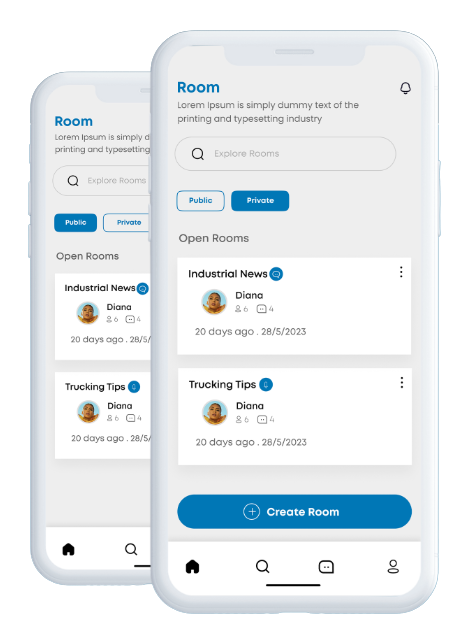
Start connecting with other truckers right now. TruckerCircle is completely free and easy to use. All it takes is a few taps to join the only voice-first trucking community designed to keep drivers in touch across the miles.