
In the fast-paced world of commercial trucking, staying compliant with the Hours of Service (HOS) regulations is not just a legal obligation but also a matter of safety and operational efficiency. With the federal regulations continuously evolving, understanding the latest rules is crucial for drivers, fleet managers, and trucking companies alike.
The Importance of HOS Regulations
The Hours of Service regulations, administered by the Federal Motor Carrier Safety Administration (FMCSA), are in place to prevent fatigue-related accidents and improve safety on the roads. These rules dictate how many hours a driver can operate a vehicle in a given timeframe and ensure that adequate rest periods are taken. Compliance with these rules not only protects drivers but also the public, making highways safer for everyone.
Understanding the Basics: Key HOS Regulations
As of the latest update, here are the key components of the Hours of Service regulations:
- 11-Hour Driving Limit: Drivers may drive for a maximum of 11 hours after 10 consecutive hours off duty.
- 14-Hour Limit: Drivers cannot drive beyond the 14th hour after coming on duty, even if they have not yet driven for 11 hours.
- 30-Minute Break: Drivers must take a 30-minute break after 8 hours of driving time.
- 60/70-Hour Limit: Drivers cannot drive after accumulating 60 hours of on-duty time in 7 consecutive days or 70 hours in 8 consecutive days.
Recent Changes in HOS Regulations
On September 29, 2020, the FMCSA announced several updates aimed at making regulations more flexible while maintaining safety. Some noteworthy changes included:
- Personal Conveyance Rules: Greater flexibility for drivers when using their personal vehicle for personal use, including repositioning a commercial vehicle to a suitable location for the next day’s operations.
- Adverse Driving Conditions: Drivers may extend their driving window by up to 2 hours in adverse conditions, granting them more time to complete their routes safely.
Technology and Compliance: The Role of ELDs
The implementation of Electronic Logging Devices (ELDs) has further transformed compliance with HOS regulations. ELDs automatically record a driver’s hours of service, capturing driving time, rest time, and other key metrics. This technology minimizes errors and provides real-time data to both drivers and fleet managers, enhancing accountability and streamlining compliance processes.
Benefits of Using ELDs:
- Accuracy: ELDs reduce the risk of falsified logs, ensuring more accurate reporting of hours worked.
- Efficiency: Instant reporting allows for better route planning and less downtime during inspections.
Tips for Staying Compliant
Staying compliant with the latest HOS regulations requires diligence and proactive planning. Here are some tips to help drivers and carriers maintain compliance:
- Regular Training: Conduct regular training sessions for drivers on HOS regulations to ensure everyone is aware of the latest rules.
- Utilize Technology: Invest in ELDs and software that help track hours of service and notify drivers when they approach their limits.
- Encourage Proper Rest: Foster a culture that emphasizes the importance of sleep and rest among drivers.
The Future of HOS Regulations
Regulations surrounding Hours of Service might continue to evolve. The FMCSA often reviews safety data and seeks feedback from the trucking industry, suggesting that future changes could further enhance flexibility and safety. Initiatives such as increasing the driving limit during periods of severe weather, or adapting rules for the growing delivery demand driven by e-commerce, may be on the horizon.
Discussion and Industry Feedback
Open discussions within the industry can yield valuable insights for shaping future regulations. Stakeholders, including drivers, fleet managers, and safety professionals, should continue to engage with policymakers to ensure that regulations offer practical solutions that align with the realities of modern trucking.
Conclusion: A Shared Responsibility
Staying compliant with HOS regulations is a shared responsibility between drivers, carriers, and regulators. The rules are not merely guidelines; they are essential frameworks that help protect not just the drivers but also the public. By keeping abreast of changes, utilizing available technologies, and promoting a culture of safety, the trucking industry can navigate the roads with greater confidence and responsibility.
In this ever-evolving landscape, adaptation and education play crucial roles. Each driver and dispatcher must stay informed about their responsibilities – because at the end of the day, compliance is not just the law; it’s the right thing to do.
Download the App

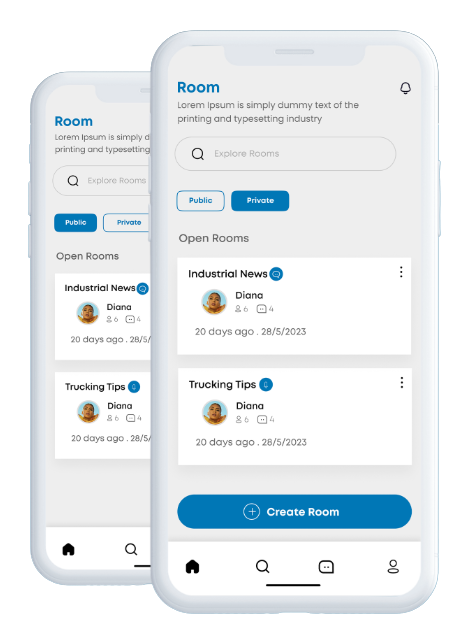
Start connecting with other truckers right now. TruckerCircle is completely free and easy to use. All it takes is a few taps to join the only voice-first trucking community designed to keep drivers in touch across the miles.