
The modern trucking industry faces unprecedented challenges, from rising fuel costs to regulatory complexities and a growing demand for efficiency. Amidst these challenges, effective communication has emerged as a cornerstone of successful fleet management. In a world where every moment counts, the right tools can streamline operations, enhance safety, and improve overall productivity.
The Urgency of Enhanced Communication
According to a 2022 report by McKinsey, logistics companies that invest in digital tools and advanced communication systems can improve productivity by up to 20%. As trucking companies grapple with increasing competition and customer expectations, the imperative to adopt effective communication solutions is clearer than ever. Fleet managers must ensure that drivers, dispatchers, and back-office personnel are all on the same page, minimizing downtime and maximizing efficiency.
Key statistic: 90% of fleet managers believe streamlined communication contributes to safer driving practices.
Essential Communication Tools for Trucking Fleets
1. Mobile Communications Devices
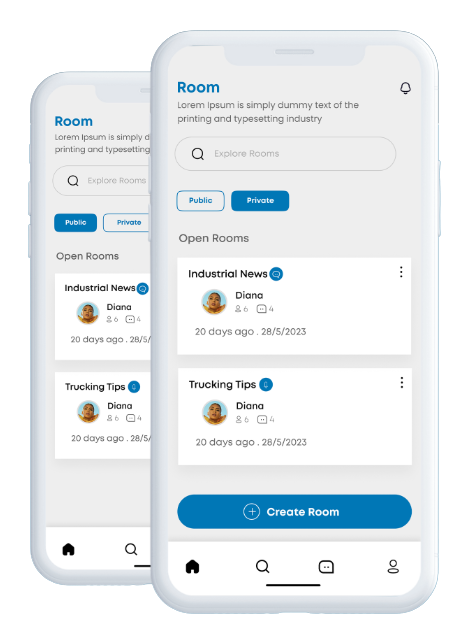
Gone are the days of simple two-way radios. Today’s fleets thrive on mobile communication devices that offer real-time connectivity. Smartphones and tablets equipped with robust driver applications can facilitate instant communication between drivers and dispatchers. These devices enable quick access to route details, load information, and real-time updates, which are essential for timely deliveries.
2. Fleet Management Software
Modern fleet management software often features integrated communication tools that unify various channels into a single platform. These comprehensive systems not only provide GPS tracking and route optimization but also allow for instant messaging between drivers and dispatch. For instance, platforms like KeepTruckin and Omnicomm combine monitoring and messaging capabilities, ensuring that everyone is informed and coordinated. This unified approach helps in reducing the chances of miscommunication and enhances operational efficiency.
3. Telematics Systems
Telematics systems play a crucial role in modern trucking by merging technology with communication. With real-time data on vehicle performance, location, and driving behavior, these systems allow for proactive communication between fleets and drivers. If a driver encounters a problem, they can communicate with the fleet manager instantly, enabling timely assistance. Moreover, analytics derived from telematics can inform training programs, focusing on areas where driver performance may need improvement.
4. Collaboration Tools
Using collaboration tools, such as Slack or Microsoft Teams, can enhance communication within a fleet. These platforms facilitate not only instant messaging but also video calls and file sharing. This is particularly useful for larger operations where different teams may need to coordinate on various projects. For example, a fleet manager can oversee logistics while keeping the HR team in the loop regarding staffing needs.
5. Electronic Logging Devices (ELDs)
ELDs are mandated for commercial drivers, enhancing compliance and safety. However, they also serve as valuable communication tools. By monitoring driver hours and vehicle status, ELDs allow fleet managers to communicate with drivers proactively, providing critical information about rest breaks, fuel stops, and any potential compliance issues. Furthermore, real-time feedback from ELDs can create opportunities for optimizing routes and reducing operational costs.
Best Practices for Implementing Communication Tools
While selecting the right tools is essential, effective implementation is just as crucial. Here are some best practices for ensuring successful adoption:
1. Training and Onboarding
Investing in training programs for drivers and staff will ensure that everyone is comfortable using new communication tools. An intuitive onboarding process can enable drivers to swiftly adapt to the technology, allowing them to maximize its potential. Regular refreshers and hands-on workshops can also help reinforce skills and introduce new functionalities.
2. Foster Open Communication
Encouraging an open line of communication can promote a culture of transparency within the fleet. Managers should foster an environment where drivers feel comfortable voicing concerns or suggestions related to the tools they use. Feedback sessions can help in identifying gaps in communication and addressing them proactively.
3. Monitor and Evaluate
Regularly assessing the effectiveness of the communication tools in place is vital. This can be done through performance metrics, surveys, or focus groups. Understanding how these tools impact productivity and safety will enable fleet managers to make necessary adjustments, ensuring continuous improvement.
The Future of Trucking Communication
As technology continues to evolve, so too will the tools available to trucking fleets. Emerging technologies like artificial intelligence and blockchain are expected to revolutionize communication further, enhancing transparency and efficiency. AI-driven chatbots may handle basic driver inquiries, while blockchain can secure and streamline transactions across the supply chain.
In conclusion, the importance of streamlined communication in modern trucking cannot be overstated. The right tools can optimize operations, enhance safety, and foster a culture of collaboration. As the industry continues to evolve, investing in effective communication solutions will not just be an advantage—it will be a necessity for sustainable growth.
Download the App
Start connecting with other truckers right now. TruckerCircle is completely free and easy to use. All it takes is a few taps to join the only voice-first trucking community designed to keep drivers in touch across the miles.