The COVID-19 pandemic has left no industry untouched, but few sectors have experienced as profound a transformation as freight transport. As consumers shifted to online shopping, and businesses scrambled to adapt to disrupted supply chains, the freight industry found itself in an unprecedented challenge. This transition has spurred a revolution in logistics that is reshaping the future of the sector.
New Consumer Behaviors
With lockdowns and health concerns putting physical retail on hold, e-commerce skyrocketed. According to the U.S. Department of Commerce, e-commerce sales jumped 32.4% in 2020 alone. This abrupt shift has forced freight companies to rethink their strategies. Consumer expectations for fast delivery have shifted dramatically, with many now expecting same-day or next-day delivery.
As a result, freight companies are investing more in last-mile delivery solutions. Tech-savvy startups are emerging, utilizing new technologies such as drone deliveries and autonomous vehicles to meet these rising demands. Traditional freight players are not sitting idle either; companies like FedEx and UPS have ramped up their logistics capabilities to stay competitive in this evolving landscape.
Technology Integration
The pandemic has also pushed forward the integration of technology in freight transport. Logistics providers are leveraging advanced analytics, machine learning, and Artificial Intelligence (AI) to optimize routes and manage logistics more effectively.
According to a study by the McKinsey Global Institute, companies that invest in AI for logistics have seen a 10-15% reduction in logistics costs. Dynamic routing algorithms are helping reduce delays, while automated inventory management systems are improving supply chain visibility.
Blockchain technology is another game-changer that is being embraced across the industry. By ensuring transparency and traceability, it enhances trust between various stakeholders in the supply chain. Companies like IBM are paving the way with their Food Trust Program, which utilizes blockchain to ensure the integrity of food supply chains.
Resilience Over Efficiency
The pandemic underscored the importance of building resilience into supply chains. Pre-pandemic, many companies prioritized efficiency over resilience, often leading to vulnerabilities. The unexpected supply chain shocks showed that flexibility is crucial. Companies are now diversifying their supply sources and are less reliant on singular routes or suppliers.
Near-shoring, or relocating supply chains closer to the consumer, has gained traction as companies look to reduce dependency on far-flung international suppliers. This shift not only mitigates risks but also helps to foster local economies.
Sustainability Initiatives
Sustainability has become another focal point for freight transport as consumers grow increasingly aware of environmental issues. The pandemic has accelerated a broader conversation surrounding climate change and corporate responsibility. As a result, many freight companies are setting ambitious sustainability targets.
Major players like Maersk have committed to becoming carbon neutral by 2050, pledging to invest in new technologies such as biofuels and wind-powered vessels. Companies are also exploring electric trucks and hybrid models to boost their green credentials. According to the International Energy Agency (IEA), electric trucks could account for nearly 30% of the freight market by 2040.
Labor Challenges
Despite these advances, the freight transport industry is not without its challenges. Labor shortages emerged as a significant issue during the pandemic, with many workers sidelined or leaving the sector due to health concerns or better opportunities elsewhere.
Trucking companies are facing a shortage of over 80,000 drivers in the United States alone, a number that could grow if measures are not taken to attract new talent. To address these issues, companies are providing better wages, improved working conditions, and increased training programs to draw in a new generation of drivers.
Conclusion
The freight transport industry is in the midst of a revolution driven by evolving consumer behaviors, technological advances, and a renewed focus on sustainability and resilience. As companies adapt to these changes, they must embrace innovation while also addressing the pressing challenges that lie ahead.
From increased investments in technology to the drive for greener solutions, the landscape of freight transport post-pandemic is not merely a reaction to crisis but a proactive reimagining of what supply chains can become. The next decade promises to be transformative, as the lessons learned from the pandemic serve as a foundation for a more agile, efficient, and sustainable freight industry.
Download the App

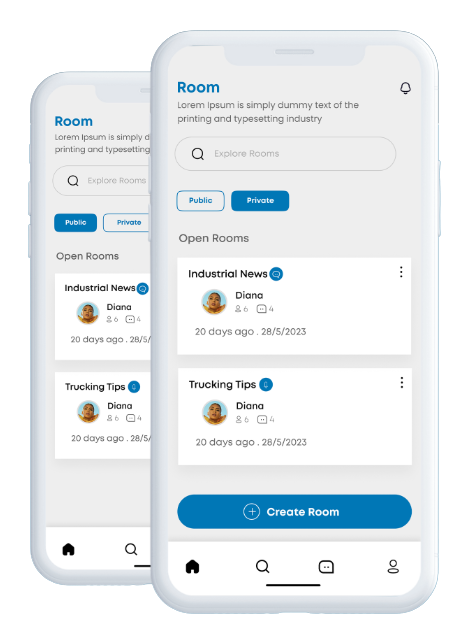
Start connecting with other truckers right now. TruckerCircle is completely free and easy to use. All it takes is a few taps to join the only voice-first trucking community designed to keep drivers in touch across the miles.