
In the fast-paced world of trucking, expenses can quickly accumulate, transforming a potentially profitable venture into a financial struggle. With fluctuating fuel prices and various overheads, effective expense management has never been more critical. Here, we explore practical strategies to help trucking companies and independent drivers optimize their expenditures.
Understanding the Landscape of Trucking Expenses
Trucking expenses can be broadly categorized into fixed and variable costs. Fixed costs include expenses that remain constant regardless of the distance traveled, such as lease payments, insurance, and licenses. On the other hand, variable costs fluctuate with operations and often include maintenance, fuel, labor, and tolls.
The Fuel Factor
Fuel is often the most significant expense for trucking companies, accounting for about 30% of operating costs. With prices impacted by global oil markets and local supply chain challenges, managing fuel consumption is paramount.
1. Implement Fuel-Efficient Driving Practices
Driver behavior plays a crucial role in fuel efficiency. Simple actions can lead to significant savings:
- Speed Management: Maintaining a steady speed can improve fuel economy. The optimal speed for fuel efficiency is typically between 55 and 65 mph.
- Gentle Acceleration and Deceleration: Encouraging drivers to accelerate gently and anticipate stops reduces fuel consumption.
- Minimize Idle Time: Educating drivers about the importance of turning off engines during long stops can save considerable fuel.
2. Optimize Route Planning
Efficient routing is another effective way to cut fuel costs. Modern route optimization software, powered by GPS technology, can help identify the most efficient paths. Considerations should include:
- Traffic patterns
- Weather conditions
- Road conditions and restrictions
By planning routes that reduce travel time and distance, companies can significantly lower fuel costs, while also enhancing delivery reliability.
Maintenance Matters
While fueling savings are crucial, neglecting regular maintenance can lead to more significant expenses down the line. According to the American Trucking Association, proactive maintenance can extend the life of a vehicle and improve fuel efficiency.
1. Regular Inspections and Maintenance
Implementing a preventative maintenance schedule ensures vehicles are operating at peak efficiency. Key maintenance tasks include:
- Checking tire pressure regularly, as under-inflated tires can decrease fuel economy.
- Replacing air filters to allow for optimal airflow and engine performance.
- Regular oil changes to ensure engine efficiency.
2. Invest in Advanced Technology
Utilizing advanced telemetry and telematics systems can provide real-time data on vehicle performance. This technology enables fleet managers to monitor fuel efficiency, identify maintenance needs proactively, and make informed decisions that can lead to substantial cost savings.
Insurance and Risk Management
Insurance can be daunting, with premiums taking a significant toll on the bottom line. However, there are strategies to manage these costs effectively:
1. Shop Around
Comparing quotes from different insurance providers can lead to better coverage at competitive prices. Engaging with a broker who understands the trucking industry can be especially beneficial.
2. Implement Safety Programs
Programs aimed at improving driver safety and reducing accidents can lead to lower insurance premiums over time. Companies should consider:
- Providing safety training programs for drivers
- Implementing technology such as dash cams and monitoring systems
Streamlining Administrative Expenses
Administrative costs can also add up significantly, especially if documentation and processes are inefficient. Here are some strategies to enhance administrative efficiencies:
1. Digitize Paperwork
Transitioning to digital documentation can reduce costs related to paper, storage, and labor. This not only streamlines processes but also enhances data accuracy and retrieval speed.
2. Utilize Accounting Software
Investing in reliable accounting software can help manage expenses efficiently, track financial activities, and provide insights into spending patterns, assisting in smarter decision-making.
Conclusion
Successfully managing trucking expenses requires a multifaceted approach that includes optimizing fuel consumption, maintaining vehicles, managing insurance, and reducing administrative costs. By implementing these strategies, trucking companies can enhance their profitability and sustainability in a fiercely competitive industry.
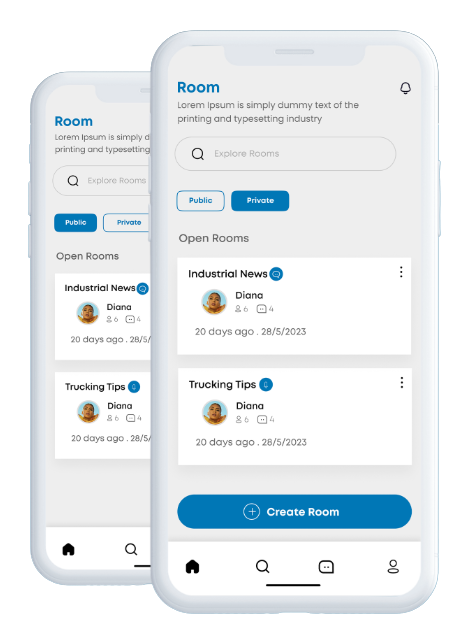
Download the App

Start connecting with other truckers right now. TruckerCircle is completely free and easy to use. All it takes is a few taps to join the only voice-first trucking community designed to keep drivers in touch across the miles.