
The supply chain landscape is evolving at an unprecedented pace, driven by technological advancements, shifting consumer demands, and global market dynamics. At the heart of this transformation is the intricate pricing structure of freight lanes, a crucial component that affects the bottom line of businesses across various industries. To navigate the complexities of freight lane pricing, it’s essential to understand the factors that influence rates and how shippers can optimize their logistics investments.
The Basics of Freight Lane Pricing
Freight lane pricing refers to the cost associated with transporting goods between specific origin and destination points. This pricing can fluctuate based on several factors, including distance, mode of transportation, and the nature of the cargo. In a broad sense, freight costs can be categorized into four primary components:
- Base Rate: The fundamental price determined by carriers, reflecting operational costs.
- Accessorial Charges: Additional fees for services such as loading, unloading, and special handling.
- Fuel Surcharges: Variable fees applied to offset rising fuel costs, often adjusted weekly or monthly.
- Market Demand: Prices can rise or fall based on supply and demand dynamics within the logistics market.
Factors Affecting Freight Lane Pricing
Several elements come into play when analyzing the pricing of freight lanes:
1. Distance and Route
The distance between the origin and destination is a primary factor in determining shipping costs. Longer distances usually yield higher freight costs, although the specific route taken can also impact pricing. For example, routes through densely populated areas might incur higher tolls and fuel costs.
2. Mode of Transportation
Shippers have various options—road, rail, air, and sea—each with its pricing structure. Air freight is typically the most expensive due to speed and service, while ocean freight, particularly for bulk cargo, often provides the most economical rates.
3. Cargo Characteristics
The type of cargo being shipped can significantly influence pricing. Hazardous materials, perishables, and oversized items usually demand specialized handling and therefore incur higher costs. Conversely, standardized cargo may benefit from lower rates due to regularity and predictability in handling.
4. Seasonal Variability
Freight lane prices are often subject to seasonal fluctuations. The holiday season typically leads to increased demand for shipping services, resulting in higher rates. Conversely, off-peak seasons might provide opportunities for negotiating better pricing.
Optimizing Freight Lane Costs
In a volatile market, shippers must be proactive in managing their freight costs. Here are several strategies to optimize logistics budgets:
1. Utilize Technology
Investing in Freight Management Software (FMS) can yield valuable insights into freight lane pricing trends. These tools can provide real-time data, allowing companies to make informed decisions while enabling easier negotiations with carriers.
2. Negotiate Rates
Freight rates are not set in stone. By leveraging historical data and understanding market trends, shippers can negotiate favorable rates with carriers. Establishing long-term relationships might also earn discounts or favorable terms over time.
3. Consolidation Strategies
Shippers can reduce costs by consolidating shipments. By grouping freight from multiple suppliers, shippers can fill containers or trucks more efficiently, minimizing overall shipping expenses and decreasing per-unit costs.
4. Stay Informed on Market Trends
Monitoring industry reports and carrier announcements provides shippers with invaluable information about potential rate changes and service disruptions. Being informed enables companies to plan ahead and react swiftly to market dynamics.
The Future of Freight Lane Pricing
The rise of e-commerce and the demand for faster shipping options have fundamentally changed the freight landscape. As technology continues to evolve, shippers can expect a further shift in pricing structures. Here are some trends to watch:
1. Automation and AI
As logistics companies adopt automation and AI, the precision in pricing will improve. Predictive analytics could facilitate more dynamic pricing models, allowing shippers to anticipate cost fluctuations more accurately.
2. Sustainability Initiatives
There is a growing emphasis on sustainable logistics practices. Companies actively pursuing green initiatives may face different pricing structures based on their sustainable choices, which could either add costs initially or lead to significant savings in the long run through efficiency.
3. Continued Fragmentation of the Market
With an increasing number of carriers entering the market, shippers may experience greater price variances. This fragmentation can create opportunities for buyers who are diligent in their research and negotiations.
In Conclusion
Understanding freight lane pricing is no simple task; however, it is crucial for businesses seeking to maximize operational efficiency and cost-effectiveness. By grasping the factors that influence their shipping costs and actively seeking strategies to optimize expenses, shippers can navigate the numbers with confidence. As market conditions continue to evolve, staying adaptable and informed will be key to success in a competitive logistics landscape.
Download the App

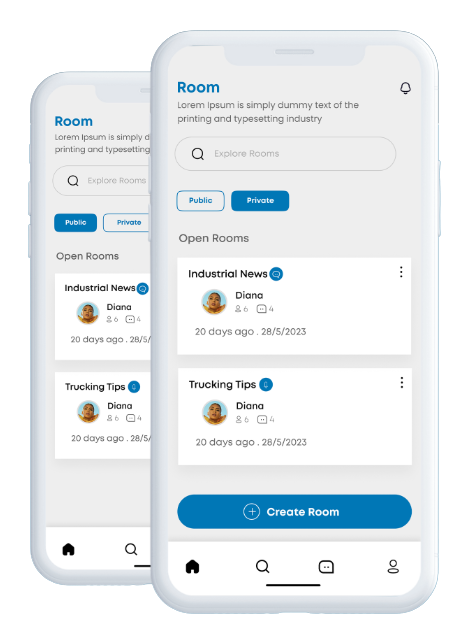
Start connecting with other truckers right now. TruckerCircle is completely free and easy to use. All it takes is a few taps to join the only voice-first trucking community designed to keep drivers in touch across the miles.