The road calls to many, offering freedom, adventure, and the thrill of travel. Yet behind the wheel, especially for those within the trucking industry, there lies a hidden struggle that too often goes unspoken: mental health. Truckers frequent lonely highways, spend long periods away from their families, and face pressures that could make even the toughest among them feel overwhelmed. Understanding the importance of mental health and implementing effective support strategies is crucial for the well-being of truck drivers.
The Silent Struggles
The trucking lifestyle is not glamorous. Drivers can spend upwards of 10 hours a day alone in their cabs, often leading to feelings of isolation and loneliness. According to a 2020 report from the American Trucking Associations, nearly 60% of long-haul truckers reported mental health struggles, including anxiety and depression. Additionally, the stressors of tight schedules, financial pressures, and the need for constant vigilance on the road can take a significant toll on mental well-being.
A 2021 study published in the Journal of Occupational Health found that truck drivers experience higher rates of psychological distress than workers in other sectors. This is compounded by a stigma around mental health, leading many drivers to suffer in silence rather than seek help. As Alex, a 15-year trucking veteran from Texas, explained, “It’s easy to feel like you’re the only one dealing with these pressures. You put on a brave face, but inside, it’s a different story.”
Recognizing the Signs
To effectively manage mental health issues, awareness and recognition are essential. Common signs of mental distress among truck drivers can include:
- Increased irritability or mood swings
- Changes in sleep patterns
- Loss of interest in activities once enjoyed
- Increased feelings of fatigue or exhaustion
- Difficulty concentrating or focusing
Being attuned to these signs is a vital first step. Simply put, acknowledging that it’s okay to not be okay can pave the way for seeking assistance. Encouragement from colleagues and families can also foster a more supportive environment.
Support Strategies for Truckers
While mental health can be a daunting subject, there are strategies that trucking companies and drivers can employ to cultivate a healthier mindset. Here are a few key support strategies:
1. Open Communication
Creating a culture of open dialogue is crucial. Trucking companies should encourage a work environment where drivers feel comfortable discussing their mental health. Regular check-ins, either formal or informal, can help foster this. As Emma, a fleet manager in Chicago, states, “We have to keep the lines of communication open. Sometimes, just asking how someone is doing can make all the difference.”
2. Mental Health Awareness Training
Training sessions, workshops, and seminars focused on mental health can provide valuable insights into recognizing and managing mental health issues. Such programs can also educate drivers on coping mechanisms and resources available to them. Companies that prioritize mental health education can greatly diminish the stigma attached to it.
3. Resources and Support Groups
Access to mental health resources is vital. Truckers should be aware of available support services like counseling and therapy, whether in-person or virtual. Companies can facilitate this by partnering with mental health organizations or providing access to resources. Additionally, establishing support groups where truckers can share their experiences and strategies can foster a sense of community.
4. Healthy Lifestyle Encouragement
Promoting a healthy lifestyle can significantly impact mental health. Encouraging drivers to take regular breaks, eat nutritious meals, and engage in physical activity can improve both physical and mental well-being. Even small changes, such as stretching during rest stops, can refresh the mind and body.
5. Utilize Technology
Technology can be a powerful ally in supporting mental health. Various apps aim to promote mindfulness, meditation, or stress management. Truckers can incorporate these tools into their daily routines, allowing for moments of relaxation and rejuvenation during long trips.
Breaking the Stigma
The cultural stigma around mental health can be daunting, particularly in industries traditionally perceived as rugged or tough. However, it is essential to break this stigma. Conversations need to occur not only within the confines of trucking companies but also in society at large. Advocating for mental health is a shared responsibility, and every individual plays a vital role.
As more truckers share their stories of struggle and resilience, awareness will grow, paving the way for a more supportive community. “Talking about mental health shouldn’t be a taboo,” Alex expressed. “We’re all human; we all face challenges. It’s time we start supporting each other more.”
Conclusion
The importance of mental health awareness continues to grow, especially in professions like trucking where mental well-being often takes a backseat. By implementing support strategies that encourage open communication, provide resources, and promote a healthy lifestyle, we can help alleviate the burdens faced by truckers. Together, we can drive home the message that mental health matters and ensure that every trucker feels valued, supported, and heard on and off the road.
Download the App

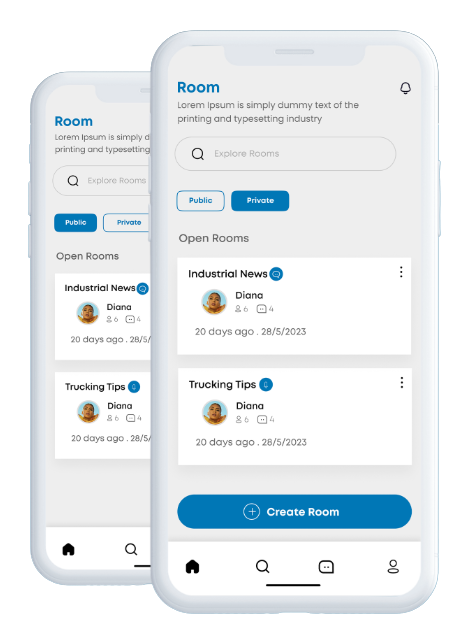
Start connecting with other truckers right now. TruckerCircle is completely free and easy to use. All it takes is a few taps to join the only voice-first trucking community designed to keep drivers in touch across the miles.