
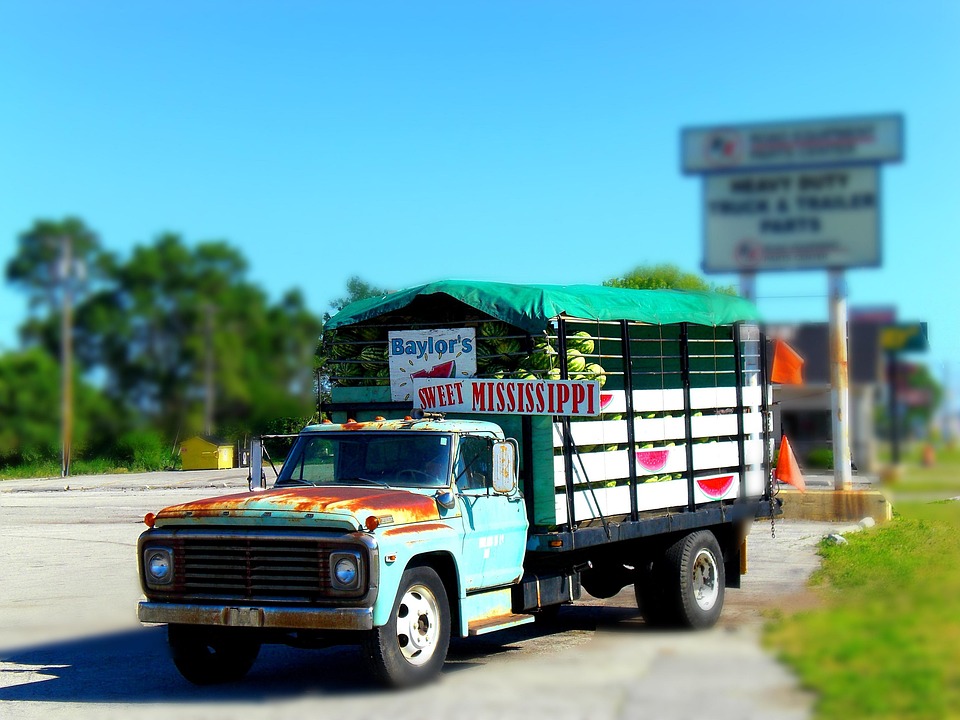
Truck stops are often viewed merely as waypoints along long stretches of highway—neon-lit havens for fuel, food, and rest. Yet, within their bustling confines lies a tapestry of human experiences and untold stories. From long-haul truckers seeking a late-night meal to weary travelers looking for refuge, these stopovers encapsulate the heart of America’s road culture. As truck drivers whiz between states, they carry fragments of life with them—stories that can only be pieced together at the heart of the truck stop.
The Unsung Heroes of the Highway
For many, the image of truck drivers conjures thoughts of rugged individuals navigating the highways, but their roles extend far beyond that stereotype. They are unsung heroes, often working under grueling schedules to keep supply chains moving. According to the American Trucking Associations, over 70% of freight in the U.S. is transported by trucks. This reality sheds light on the importance of truck stops as vital infrastructure, enabling the lifeline of goods and services, and becoming unofficial community centers for the drivers.
The Environment of a Truck Stop
Walking into a truck stop is like stepping into a microcosm of trucker’s life. There are cozy booths with coffee pots percolating all day, convenience stores stocked with snacks, and washrooms offering a moment of refuge. The faint hum of conversation is punctuated by the clinks of plates and the rustle of receipts as drivers and patrons connect while eating or refueling. It’s a place where stories unfold, where journeys converge and diverge in a complex web of human interactions.
The Ritual of Storytelling
Many truckers find solace in sharing their experiences with one another over meals. George, a 52-year-old truck driver from Ohio, says, “Every time I stop, I meet people who are just as eager to share their tales.” Conversations at the diner tables often include tales of near-misses on the road, personal challenges, and triumphs, creating a rich tapestry of shared experiences. For drivers like George, these moments become an ideal respite from isolation and monotony, offering a sense of belonging on long hauls.
“In this world of asphalt and steel, we find our humanity in the stories we share.” – George, Truck Driver
The Changing Landscape
Over the years, the landscape of truck stops has evolved significantly. Where once a simple diner and a gas pump sufficed, today’s truck stops are sprawling complexes resembling small towns. Amenities now often include showers, gyms, movie theaters, and even dog parks, catering to both drivers and families traveling. These innovations not only attract more travelers but also create an environment where diverse narratives coexist.
Cultural Crossroads
Truck stops serve as cultural crossroads, drawing individuals from various backgrounds and regions. In places like the Flying J or Pilot Travel Centers, globalization is evident in both the food offerings and the clientele. On any given day, one might encounter a Mexican trucker sharing a meal with an English-speaking traveler, carving out communal spaces that transcend languages and cultural differences. These interactions not only facilitate understanding but also highlight the rich diversity of the American experience.
The Human Element: Behind the Counter
While truck drivers contribute rich stories, the employees working at truck stops have narratives of their own. From cashiers to cooks, their lives often embody resilience and dedication. For instance, Maria, a single mother and cashier at a local truck stop, shares that her job has introduced her to countless fascinating people and their stories. “Every night, I’d hear wild tales from drivers,” she explains. “It’s a different world beyond those walls.” Maria and her coworkers build relationships with returning drivers, often greeting them by name and fostering a sense of kinship.
“In this job, you’re not just serving coffee; you’re listening to stories, connecting lives.” – Maria, Truck Stop Cashier
Reflections on Isolation and Connection
While truck stops are hubs of stories, they also reflect the isolation that many truck drivers face. Long hours on the road can lead to loneliness, making the interactions at truck stops vital for emotional wellbeing. Eating alone can feel particularly heavy after hours of solitude, where the companionship experienced in diners becomes essential. For a truck driver, sharing a meal at a truck stop is not just nourishment; it’s a reconnection with humanity. Such moments serve as a reminder that, despite being physically distant from home and family, they’re not entirely alone.
Looking Toward the Future
As the trucking industry evolves with technology and modernization, the role of truck stops may shift as well. The introduction of automated fueling concepts and contactless services is a wave of the future, but the human element must persist. The value of face-to-face interactions transcends convenience, anchoring the importance of community and storytelling.
Stories That Fuel Us
As travelers and truckers continue to intersect in these special spaces, the narratives birthed in truck stops will evolve but remain crucial. They are places where time slows down, conversations flow, and humanity is celebrated against the backdrop of roaring engines and asphalt highways. The next time you pull into a truck stop, take a moment to listen and look around—because within the noise, you may uncover a wealth of stories that fuel our connections.
Conclusion
Truck stops do not merely exist to service vehicles; they are vessels of human experience, sanctuaries for stories untold, and connections made along life’s endless journey. As they navigate the delicate balance between the road’s isolation and their shared narratives, every cup of coffee served and every story shared fuels not only the trucks but also the spirit of the people who traverse this vibrant landscape.
Download the App

Start connecting with other truckers right now. TruckerCircle is completely free and easy to use. All it takes is a few taps to join the only voice-first trucking community designed to keep drivers in touch across the miles.


