
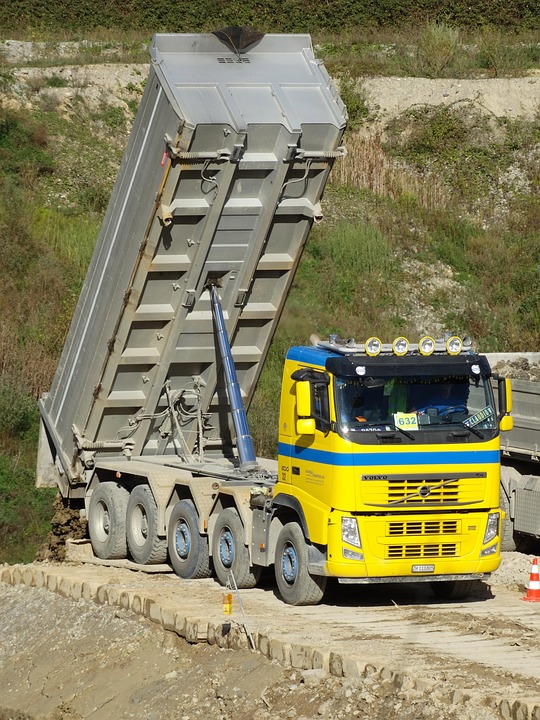
As global commerce grows increasingly intricate, the trucking industry finds itself at a crossroads. It’s not merely about transporting goods from point A to point B anymore; it’s about reshaping how we think about freight, technology, and sustainability. Innovation is essential, and voices of change are resonating louder than ever before within the trucking community.
The Current Landscape
The trucking industry represents a vital backbone of the U.S. economy, responsible for nearly 71% of freight moved across the country. In 2020 alone, trucks transported 11.84 billion tons of goods, according to the American Trucking Associations. However, with rising fuel costs, stringent regulations, and a shortage of drivers, the need for innovation is palpable.
“We are witnessing a transformation unlike anything we’ve seen before,” says Lisa Wiggins, a transportation analyst at Fleet Forward. “Technological advancements and a shift in mindset are paving the way for new solutions to age-old problems.”
The Rise of Technology in Trucking
Embracing technology has become a game changer in the industry. From autonomous vehicles to AI-driven logistics management, technological innovations are fundamentally altering how trucking companies operate.
Autonomous Vehicles
One of the most talked-about innovations in the trucking space is the development of autonomous vehicles. Companies like Waymo and Tesla are at the forefront of this movement, with trucks capable of making decisions in real time. These advancements promise to reduce human error, optimize routes, and increase fuel efficiency.
“It’s not about replacing drivers but enhancing their capabilities,” says John McClain, CEO of NextGen Trucking. “Autonomous technology can handle the monotonous aspects of driving, allowing human drivers to focus on more complex tasks.”
Telematics and Data Analytics
Telematics has also transformed the transportation landscape. Fleet management systems equipped with GPS and data analytics allow companies to track everything from fuel consumption to vehicle maintenance. According to the American Transportation Research Institute, these technologies can help fleets reduce costs by up to 15%.
Voices of Sustainability
As the world grapples with climate change, the trucking industry is under pressure to become more sustainable. Many companies are stepping up to the plate, pledging to reduce their carbon footprint through innovative practices.
Alternative Fuel Sources
Electric and hydrogen-powered trucks are gaining traction as viable alternatives to diesel. Companies like Nikola and Rivian are leading the charge, developing vehicles that promise zero-emission transportation. A report by the International Council on Clean Transportation suggests that by 2030, approximately 30% of new trucks sold could be electric or hydrogen-powered.
“Switching to alternative fuel sources is not just about compliance but is imperative for the future of our planet,” says Ahmed Khan, Director of Sustainability at Green Freight Solutions. “The trucking industry can pave the way for greener logistics.”
Rethinking Logistics
Moreover, sustainable logistics is gaining traction. This involves re-evaluating supply chain routes, consolidating shipments, and making smarter decisions around freight movement. Companies like Uber Freight and Convoy are utilizing advanced algorithms to maximize payloads and reduce empty miles.
Challenges and Resistance
While the changes are exciting, the innovations do not come without challenges. The initial investment in technology is substantial, and many smaller trucking companies feel unable to keep up. Additionally, the driver shortage looms large, with the American Trucking Associations estimating a shortage of over 80,000 drivers by 2023.
“The fear of change can be paralyzing,” shares Emily Ray, a fleet manager at a mid-sized trucking company. “While we know we need to adapt, the costs involved make it challenging, particularly for smaller firms.”
Bridging the Gap
Industry leaders recognize the importance of supporting smaller operators as they navigate this transformation. Initiatives to provide grants, training, and access to advanced technologies are critical in leveling the playing field.
“It’s all about collaboration,” emphasizes David Wong, a consultant for the trucking industry. “We need to create environments where sharing resources and knowledge can lead to collective growth.”
Conclusion: A Shared Vision
As the trucking industry stands on the brink of change, the voices of innovation are finding their rhythm. From the embrace of technology to a commitment to sustainability, industry leaders are aiming for a future that combines efficiency with responsibility. It’s a collaborative effort, one that requires adapting to new landscapes, sharing knowledge, and understanding the pressing challenges.
The road ahead is filled with both obstacles and opportunities, but the determination to evolve is palpable. The trucking industry is gearing up to drive change, ensuring that as we move forward, we are not just moving goods but leading the charge toward a more sustainable and innovative future.
Download the App

Start connecting with other truckers right now. TruckerCircle is completely free and easy to use. All it takes is a few taps to join the only voice-first trucking community designed to keep drivers in touch across the miles.


