
Truck drivers are often revered for their gritty determination and unparalleled endurance as they traverse the vast expanses of the country, delivering goods essential for everyday life. However, behind the wheel of these heavy rigs lies a community that faces significant emotional and mental health challenges. Long periods of solitude, intense pressure to meet deadlines, and the physical demands of the job can lead to emotional fatigue. Therefore, the importance of emotional support within the trucking community cannot be overstated—it is essential for both the mental well-being of drivers and the overall efficiency of the trucking industry.
The Mental Toll of Trucking
Data from the Federal Motor Carrier Safety Administration (FMCSA) reveals that truck drivers experience higher rates of depression and anxiety compared to the general population. Factors contributing to these mental health issues include long hours alone on the road, time away from family, disrupted sleep patterns, and the constant pressure to meet tight schedules. According to the American Psychological Association, loneliness has been labeled a public health crisis, further intensifying the challenges faced by truckers who are often cut off from social networks.
In fact, a study by the National Institute for Occupational Safety and Health (NIOSH) indicated that over 70% of truck drivers report symptoms of psychological distress. This distress can manifest in various ways, from irritability and fatigue to serious health issues like heart disease and substance abuse. Addressing these pervasive mental health challenges is not only imperative for the drivers’ well-being but also for the safety and efficiency of the entire industry.
The Role of Emotional Support
Emotional support serves as the backbone for combating the mental health challenges faced by truck drivers. This support can stem from various sources—family and friends, professional counseling services, and even the camaraderie found among fellow drivers. The importance of fostering open dialogue about mental health cannot be emphasized enough.
Support from family can be vital. Regular communication via phone calls or video chats can help drivers feel connected even when physically distanced. Additionally, families can provide emotional stability, often acting as a sounding board when a driver grapples with stress or loneliness on the road.
Moreover, professional mental health services tailored for drivers can help address specific issues. Programs such as the “Trucker Buddy” initiative provide mentorship and emotional support to truck drivers. Such initiatives can create a network of trust, encouraging drivers to seek help when they need it the most.
A Day in the Life: The Importance of Community
For many truck drivers, the road is not just a means to an end; it becomes a second home. When surveyed, a considerable number of drivers expressed that connecting with fellow truckers at rest stops or truck shows provided them with a sense of belonging. The camaraderie fostered among drivers can serve as an informal support system. Shared experiences and understanding can alleviate feelings of isolation.
A small truck stop somewhere in Indiana is often bustling with life, where drivers gather to swap stories over coffee. It’s not just about sharing tales of the road; it’s about finding relief in knowing that others understand the challenges they face. Driver forums and social media platforms have also become increasingly popular places for truckers to express their thoughts and feelings, fostering a digital community that helps reduce the stigma surrounding mental health.
Recognizing the importance of emotional well-being, several trucking companies have begun to incorporate mental health resources into their operations. Progressive Trucking Magazine recently reported that firm employees are being trained to identify signs of emotional distress among their drivers. Many companies are forming partnerships with mental health organizations to provide counseling and resources directly to drivers.
Additionally, flexible scheduling is becoming a priority for some trucking companies. By allowing drivers to choose routes that enable them to return home more often, companies can help alleviate the emotional strain caused by prolonged absences from family life.
The Road Ahead
As the trucking industry continues to grow, it is essential to recognize that the emotional well-being of drivers is just as important as transporting goods across the nation. Incorporating emotional support systems into everyday practices can lead to a healthier workforce, reduced turnover rates, and a more efficient industry.
In a world increasingly focused on mental health, trucking should not be left behind. By building networks of support, both within the family and on an organizational level, the industry has the opportunity to redefine the landscape of trucking—moving away from the stereotype of the solitary truck driver towards one of camaraderie, support, and understanding.
Conclusion
The challenges faced by truck drivers are complex and multifaceted, but the solutions are within reach. Emotional support in trucking is not just a luxury; it is a necessity that can significantly enhance the lives of these essential workers. As the highway stretches ahead, let’s ensure that drivers are not only hauling cargo but are also supported emotionally, ensuring a healthier future both on the road and at home.
Download the App

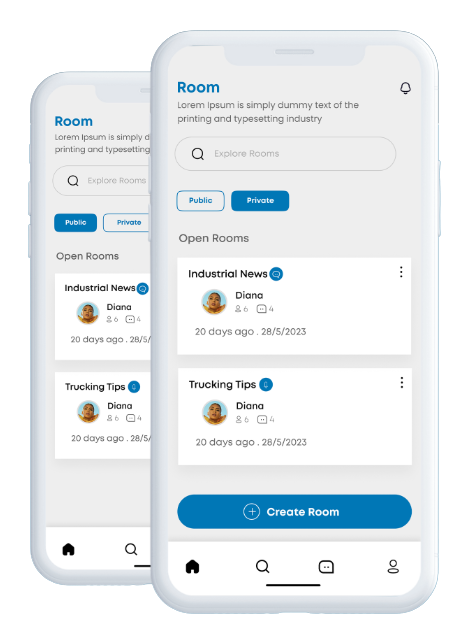
Start connecting with other truckers right now. TruckerCircle is completely free and easy to use. All it takes is a few taps to join the only voice-first trucking community designed to keep drivers in touch across the miles.