
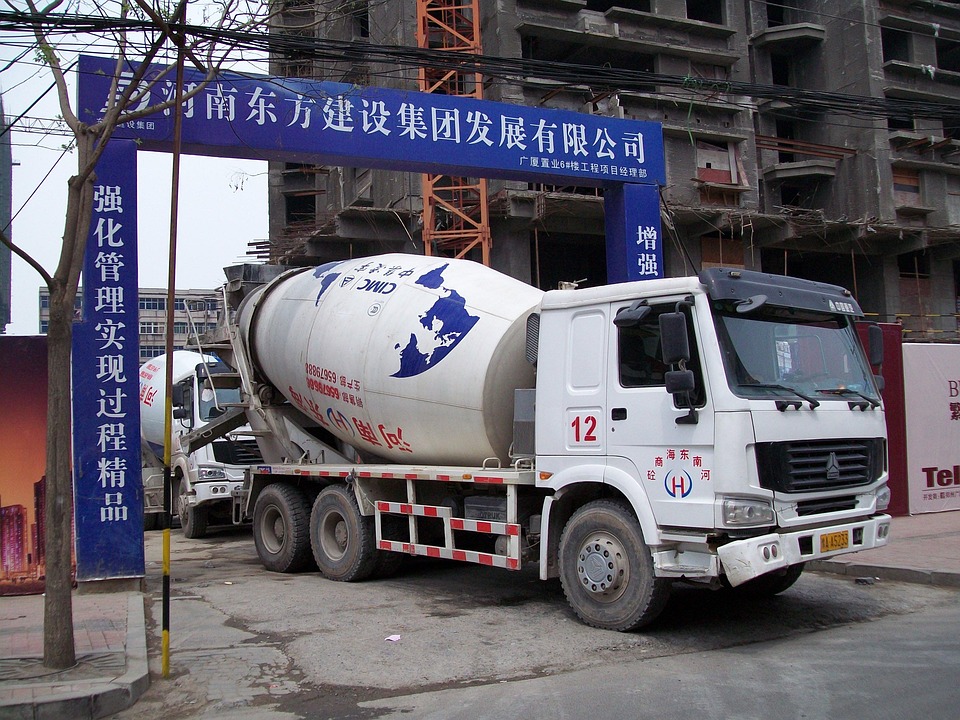

For truck owners, maintaining their vehicles is not just about keeping the wheels rolling; it’s about ensuring safety, efficiency, and longevity. Given the crucial role trucks play in transport and logistics, understanding proper maintenance practices is essential. Here’s a comprehensive guide to the essential maintenance updates every truck owner should know.
Understanding Truck Maintenance
Truck maintenance can be broadly categorized into two types: preventive and corrective. Preventive maintenance involves routine checks and services that help avert potential issues before they arise. Corrective maintenance, on the other hand, is initiated after a problem has already been detected.
The Importance of Preventive Maintenance
Preventive maintenance saves truck owners time and money. According to the American Trucking Associations, proper maintenance can reduce repair costs by up to 30%. Regular checks can help identify issues like low oil levels, worn-out brake pads, or faulty lights before they escalate into more serious problems. Plus, along with reducing repair costs, preventive measures can also improve safety and fuel efficiency.
Essential Maintenance Checkpoints
1. Engine Oil and Filters
Your engine is the heart of your truck. Regularly checking and changing the engine oil and filters is one of the simplest yet most vital maintenance tasks. The oil lubricates moving parts, prevents wear, and removes contaminants. A good rule of thumb is to change the oil every 5,000 to 7,500 miles, depending on the truck model.
2. Brake System
The brakes are arguably the most crucial safety component of a truck. Regularly inspecting the brake pads, rotors, and fluid levels can help prevent brake failure. Signs that your brakes may need attention include squeaking, grinding noises, or a spongy brake pedal. Professionals recommend having your brake system checked at least once a year.
3. Tires
Tires are your truck’s only contact with the road, so maintaining them is paramount. Regular tire pressure checks, tread depth measurements, and wheel alignments can extend tire life and improve fuel efficiency. The National Highway Traffic Safety Administration (NHTSA) suggests checking tire pressure monthly and performing a rotation every 5,000 to 7,500 miles.
4. Cooling System
The cooling system prevents your engine from overheating. Inspecting the radiator, hoses, and coolant levels regularly can help avert costly engine damage. Coolant should be changed according to the manufacturer’s recommendations and before winter to avoid freezing.
5. Battery
Battery life can fluctuate based on usage, climate, and age. Visual inspections for corrosion and regular tests can prevent unexpected breakdowns. Most batteries last between 3 to 5 years, but extreme temperatures can shorten their lifespan. Always check the terminals for corrosion and make sure connections are tight.
6. Lights and Signals
Visibility is essential for safety, thus keeping your lights and signals in working order is non-negotiable. Regularly check headlights, brake lights, turn signals, and emergency lights. Similar to brake maintenance, these should be checked at least once a year or whenever you notice a light is out.
Routine Inspections and Record Keeping
Conducting routine inspections of vital components and keeping detailed maintenance records can significantly enhance your truck’s performance and reliability. Using a digital platform can simplify record-keeping, allowing you to track service dates, costs, and issues easily.
Leveraging Technology
In today’s digital age, several apps and software solutions can assist truck owners in maintaining their vehicles. These tools can send timely reminders for servicing, log service history, and even offer diagnostics based on truck performance data.
Investing in Professional Help
While DIY maintenance can be effective, consulting professional mechanics for complex repairs or inspections is advisable. They possess the expertise and tools to diagnose and fix problems that may not be immediately apparent to the untrained eye. Regular professional inspections can uncover potential issues before they require more extensive repairs.
Conclusion
To keep your truck on the road and avoid costly downtime, understanding essential maintenance updates is crucial. Regular checks, comprehensive inspections, and leveraging technology can significantly enhance your truck’s performance, safety, and lifespan. The old adage “an ounce of prevention is worth a pound of cure” rings especially true for truck maintenance. By prioritizing a sustainable maintenance culture, truck owners will not only save money and time but also contribute to safer roads.
Download the App

Start connecting with other truckers right now. TruckerCircle is completely free and easy to use. All it takes is a few taps to join the only voice-first trucking community designed to keep drivers in touch across the miles.


