
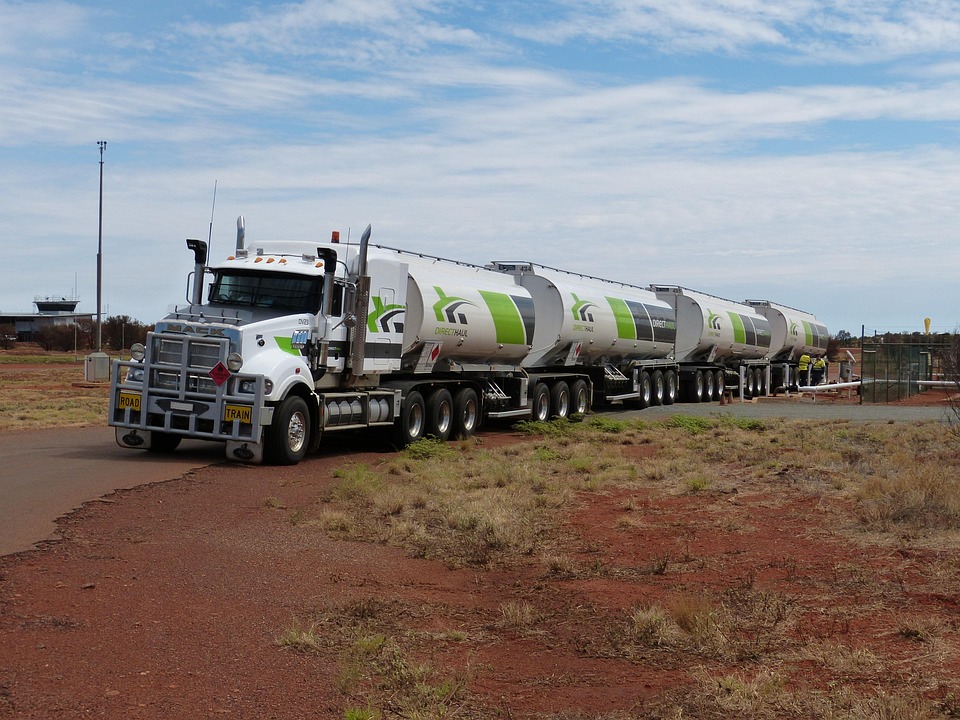
In the world of trucking, success often hinges on how effectively professionals can manage their operations, relationships, and routes. While many drivers focus on the grind of the road, a strategic approach to income can yield significant dividends. For those looking to maximize their earnings, understanding and implementing proven income strategies can make all the difference.
Understanding Your Costs
Before diving into income-generating strategies, it’s vital for trucking professionals to understand their costs. Expenses can quickly eat into profits if not carefully monitored. Key costs include:
- Fuel: This is typically the largest single expense for trucking companies.
- Maintenance: Keeping a truck in top working condition is essential for safety and efficiency.
- Insurance: Comprehensive coverage is a must in the trucking industry.
- Licenses and Fees: Various operational and legal fees can accumulate based on the region.
By conducting a detailed analysis of these expenses, trucking professionals can better assess which strategies will yield the most effective results.
Choosing the Right Load
Not all loads are created equal. One of the quickest ways to maximize income is to focus on high-paying loads. Freight brokers often post loads on several platforms, and it’s crucial to leverage resources to find the best-paying options. Networks like DAT Load Board and Truckstop.com can provide insights into market rates.
Additionally, focusing on specialized freight—such as hazardous materials or oversized loads—often results in higher pay. However, these loads can also require additional licensing or training, so drivers should weigh the requirements against potential income.
Leverage Technology
Integrating technology can be a game changer for trucking professionals. The rise of apps and software designed for the trucking industry has provided drivers with powerful tools. Mobile applications like KeepTruckin or Samsara enable drivers to track their routes, monitor fuel usage, and even maintain vehicle logs more efficiently.
Moreover, GPS navigation systems can help identify the most efficient routes, minimizing fuel expenses and maximizing the number of miles driven in a day. By using real-time traffic updates, drivers can avoid congested areas, ensuring timely deliveries and customer satisfaction.
Optimize Your Fuel Efficiency
Fuel efficiency directly affects profitability. There are several strategies that trucking professionals can adopt to improve their miles per gallon (MPG):
- Vehicle Maintenance: Regular checks of tire pressure, engine performance, and load distribution can all improve fuel efficiency.
- Driving Habits: Smooth acceleration and braking, maintaining a steady speed, and minimizing idling can significantly enhance MPG.
- Reducing Weight: Transporting lighter loads, when possible, can yield better fuel economy.
By consistently implementing these practices, trucking professionals can greatly reduce fuel costs, positively impacting their bottom line.
Networking and Building Relationships
In the trucking industry, relationships matter. Building a network of reliable contacts—be it freight brokers, dispatchers, or other drivers—can lead to more consistent and lucrative job opportunities. Engaging with online forums, local trucking meet-ups, and social media groups can facilitate valuable connections.
A trustworthy reputation in the industry often leads to referrals and repeat business. Drivers should invest time in cultivating these relationships as they can produce consistent future work and better pay rates.
Consider Owner-Operator vs. Lease Agreements
For those looking to maximize earnings, a significant decision is whether to operate under an owner-operator model or a lease agreement. Owner-operators can maximize profits through direct contracts, but they also take on greater financial responsibility.
On the other hand, lease agreements provide drivers with a vehicle to operate without incurring the initial costs of ownership. However, this route generally offers less flexibility in choosing loads and routes. Evaluating both options based on individual risk tolerance and financial goals is critical for maximizing income.
Invest in Continuous Education
The trucking industry is constantly evolving, with new regulations, technologies, and best practices emerging regularly. Investing in education—whether through formal courses or self-study—can greatly enhance a trucking professional’s skillset and marketability.
Topics to consider include:
- Advanced driving techniques
- Freight brokerage procedures
- Legal and regulatory compliance
- Business management and financial literacy
Continuously upgrading knowledge can lead to improved operational efficiencies and potentially higher earnings.
Your Financial Future
Maximizing income as a trucking professional is not solely about the routes taken or the loads delivered; it’s about adopting a holistic approach to one’s business practices and priorities. Understanding costs, leveraging technology, and investing in relationships and education can collectively drive a significant increase in earnings. As the trucking landscape continues to change, those who stay informed and adaptable will be the ones who thrive.
In a profession that values both hard work and strategic insight, the road to greater income is paved with careful planning and execution. By implementing these proven strategies, trucking professionals can maximize their miles—and their profits—in this dynamic industry.
Download the App

Start connecting with other truckers right now. TruckerCircle is completely free and easy to use. All it takes is a few taps to join the only voice-first trucking community designed to keep drivers in touch across the miles.


